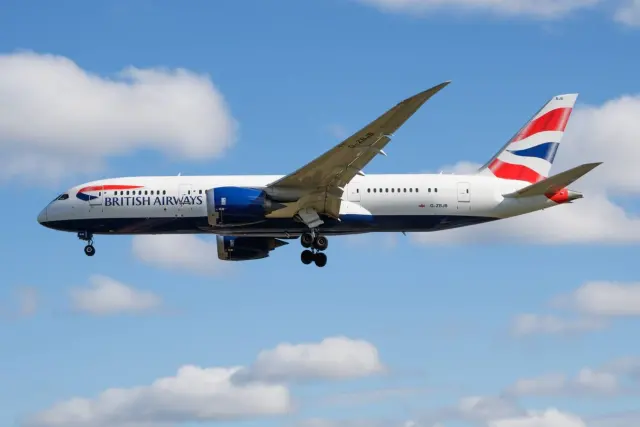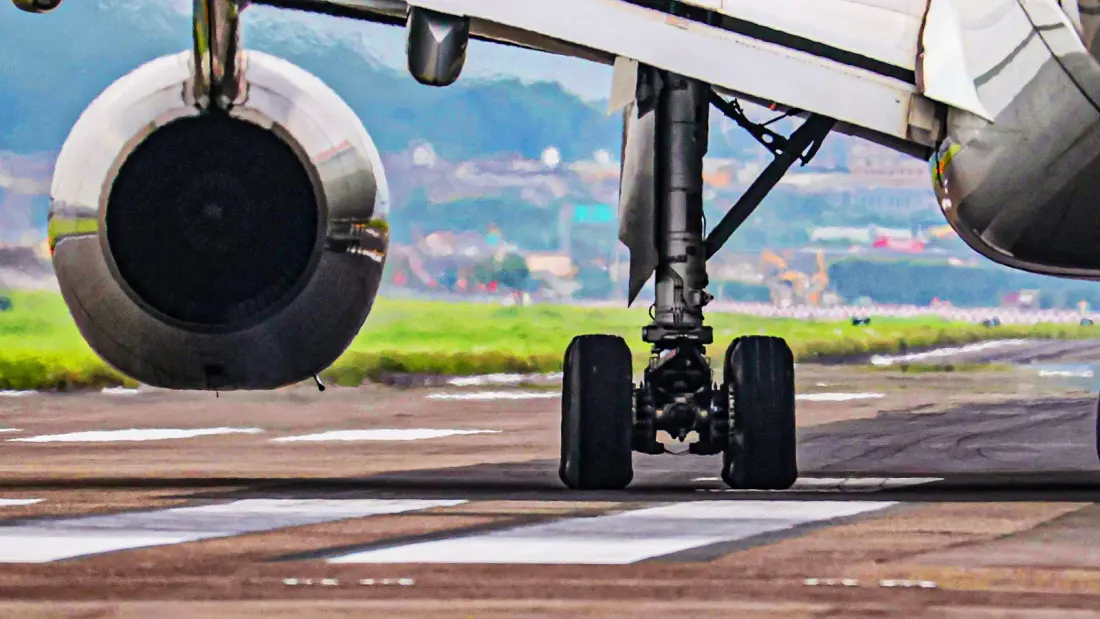
Every jet landing quietly leaves a mark. When an aircraft's tires slam onto the runway spinning slowly and then accelerate instantly to ground speed, friction shears off a thin layer of rubber that sticks to the pavement. One landing barely matters. Hundreds a day do — and at the touchdown zone, the stretch roughly 150 to 450 metres past the runway threshold, the buildup eventually clogs the surface texture and grooves that give tires their grip.
The stakes are real. Studies of heavily contaminated touchdown zones have measured friction levels 15% to 30% lower than the rest of the runway, and the problem gets dramatically worse in rain, when water can't drain away and tires risk hydroplaning. That's why rubber removal is a scheduled, monitored maintenance task rather than an occasional clean-up.
Airports don't wait until things look grim. Under US FAA guidance, friction-testing vehicles measure runway surfaces on a schedule tied to traffic: once a year where there are fewer than 15 jet landings daily, weekly where traffic tops 210. Runways served mainly by widebody jets — an A380 or 747 dumps far more rubber per touchdown — get inspected one step more frequently.
When it's time to clean, the favourite tool is high-pressure waterblasting: trucks firing water at up to 20,000 psi to strip the rubber while sparing the concrete underneath. Chemical solvents, abrasive blasting and mechanical grinding also exist, but all carry a risk: too much pressure or too many passes can damage the pavement itself. A December 2025 study from Iowa State University's Airport Concrete Pavement Technology Program dug into exactly this balance — removing rubber effectively without shortening the runway's life.
New York's LaGuardia Airport shows how it works in practice. Crews work overnight windows of about five hours, cleaning a touchdown zone roughly 15 metres wide and 900 metres long in a single night, with five to seven cleaning events a year. It's invisible work to passengers, but it's part of why landing on a wet runway at a busy airport feels routine rather than risky.
Why should a traveller care? Partly reassurance — the safety margins under your flight are actively maintained, measured and re-tested on strict schedules. Partly practical: those overnight runway closures occasionally explain delayed evening departures or early-morning diversions at major hubs. And if you're an aviation enthusiast, watching a waterblasting rig strip a touchdown zone at dusk is a genuinely impressive bit of ground-side engineering most passengers never see.