Lisbon's greatest hits are easy to find. What's harder is digging past the Belém pastry queues and Alfama strolls to the city locals actually love. A long-term resident writing for Indie Traveller has pulled together 39 alternative things to do, and several are genuinely useful for anyone planning a trip.
The quirkiest suggestion: Lisbon's Chinês Clandestino, unlicensed speakeasy-style Chinese restaurants hidden inside apartment buildings around Martim Moniz Square. You ring a doorbell marked with Chinese characters, climb a few flights of stairs, and end up in someone's living room eating affordable home-cooked food. The hunt is the point — look for lanterns, and be prepared to point at pictures since staff may speak neither Portuguese nor English.
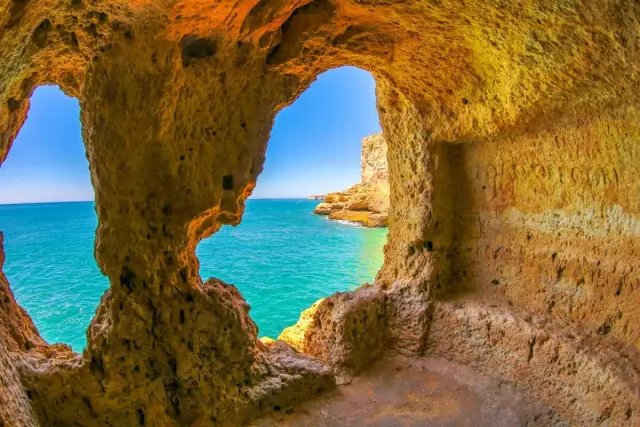
For a change of scenery, dolphin-watching in the Sado Estuary south of the city offers near-guaranteed sightings of resident bottlenose dolphins. Tours leave from Sesimbra, an easy trip from central Lisbon, with the Arrábida nature reserve thrown in as a bonus.
Culture hounds get two strong picks. The Palácio Nacional da Ajuda, a 19th-century royal palace near Belém, is oddly under-visited — €15 entry buys you ornate ballrooms, a throne room and a Japanese-themed diplomatic gifts room, all without queues. And the Lisbon Earthquake Museum, opened in 2024, uses interactive exhibits to explain the 1755 disaster that reshaped the city. If you'd rather walk than museum-hop, a free pay-what-you-want tour decodes the freemason and Templar symbolism hidden in Baixa's architecture — including seven parallel streets supposedly mapping the alchemical path to the Philosopher's Stone.
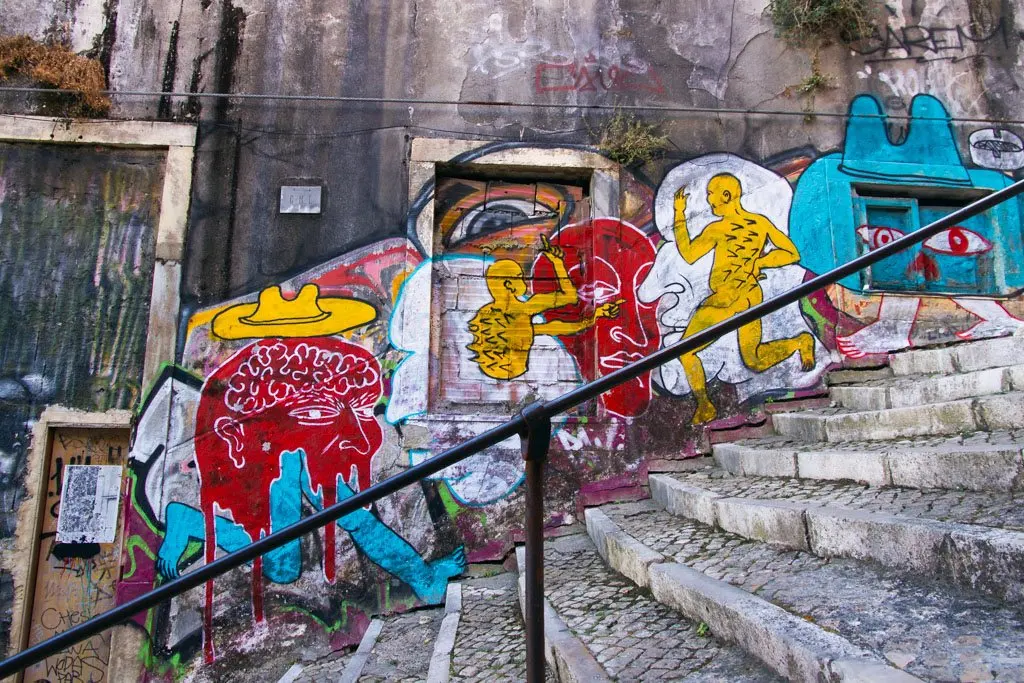
There are hands-on options too: a pastel de nata baking workshop with Homecooking Lisbon (family-friendly, no cooking skill needed), a street art tour led by a working local artist, and home-cooked Portuguese dinners hosted in private homes via Airbnb Experiences. Quieter moments come from the Estufa Fria, a semi-open greenhouse with ponds, a waterfall and a cactus garden hidden under Eduardo VII park (€3, open to 5pm in winter), and from browsing the Lojas Com História — century-old specialist shops selling hats, gloves and buttons that enjoy protected status.
Two practical notes worth keeping. The Pillar 7 Bridge Experience lets you ride an elevator up to the 25th of April Bridge, stand on a glass platform and visit a small museum on the suspension cables — a far more hands-on encounter with the city's landmark than another viewpoint photo. And if you're ticking off several big sights, the Lisbon Card (24, 48 or 72 hours) can undercut buying individual tickets.
Who is this for? Second-time visitors, anyone bored of checklist tourism, or travellers staying a week or longer who want variety beyond Sintra day trips. Mixing two or three of these into a standard Lisbon itinerary turns a familiar city into something stranger and far more memorable.