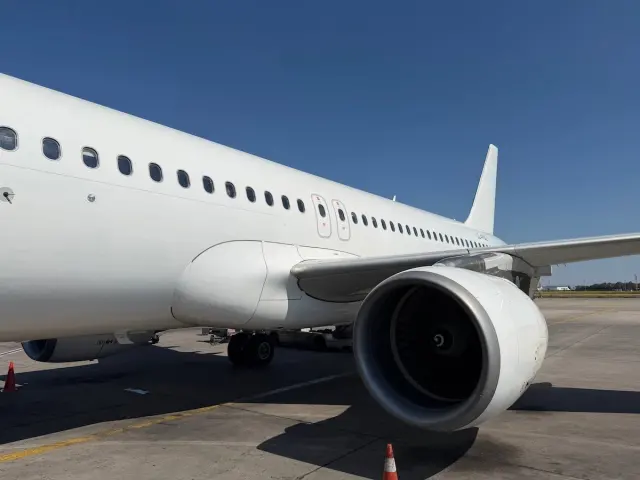
Emirates' Boeing 777-300ER is the workhorse of its fleet — 116 of them, flying to the Maldives, Manila, Amsterdam, Mumbai and plenty more from Dubai, sometimes three times a day. If you're eyeing a business class seat on one, expect to pay anywhere from roughly $1,100 to $3,200 one-way on the airline's busiest routes, with longer hauls and high demand pushing prices up.
Simulated bookings for early December 2026 show the spread clearly. The short hop from Dubai to Delhi came in at $1,148, while Mumbai was $1,392 and the four-hour flight to Malé hit $2,137. Longer routes cost more: Manila was $2,282, and Amsterdam topped the list at $3,239. Earlier analysis of US routes showed an even bigger jump — Dubai to Washington Dulles at about $4,540, New York JFK and Newark around $5,070.
One thing worth knowing before you book: Emirates splits business class into three fare tiers — Saver, Flex and Flex Plus. You get the same seat, dining and lounge access on all of them, plus the same 40kg checked bag. What changes is flexibility and mileage earning. Saver is cheapest but hits you with the highest change and cancellation fees; Flex Plus costs more but allows fully flexible changes, maximum refunds and the most miles. Frequent flyers often find the upgrade pays for itself.
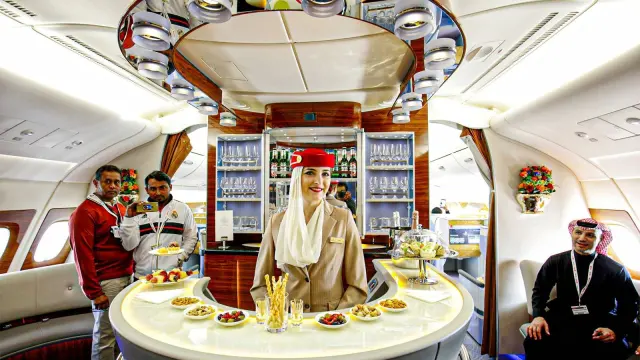
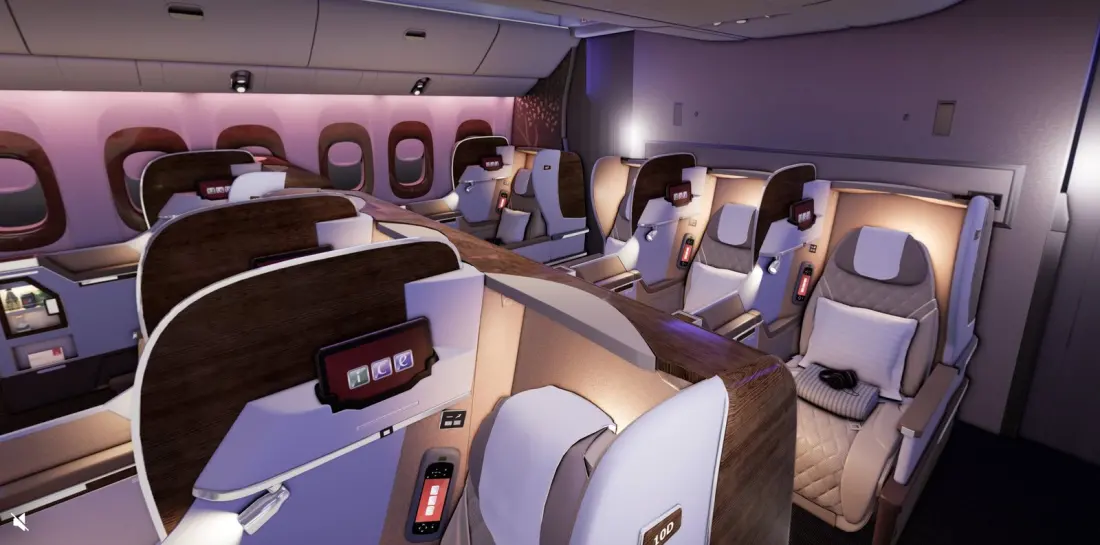
Here's the catch with the 777 itself. Most of Emirates' 777-300ERs still fly with an older 2-3-2 business class layout, meaning you could pay thousands and land in a middle seat with no direct aisle access. Reviewers have been blunt about this — even glowing reviews of the retrofitted cabins end with a preference for the A380. But change is coming: Emirates is midway through a $5 billion retrofit covering 109 777s and 110 A380s. The updated 777s get a modern 1-2-1 layout, 4K screens, deeper seat shells with privacy wings, a small walk-up mini-bar area, and Starlink WiFi. Reviews of the new product on the Dubai–Brussels route praised the lie-flat seats and Dubai lounge, though noted the lack of sliding doors and no amenity kits on daytime flights.
Why does this matter for travellers? If you're booking a 777 business class trip in 2026, it's worth checking whether your flight uses a retrofitted aircraft — the difference between a 1-2-1 suite-style seat and a cramped middle of a 2-3-2 row is significant at these prices. Shorter routes like Delhi and Mumbai offer the best value entry points, while booking Saver well in advance keeps costs down if your plans are firm. And if the new cabin matters to you, the A380 remains Emirates' strongest business class product while the retrofit rolls out.
Story based on reporting by Simple Flying.