
Cotonou may get the flights and the footfall, but Benin's political capital has a quieter, more textured appeal. Porto-Novo sits about 35km east of Cotonou, and its streets tell a layered story: Yoruba and Goun traditions, French colonial rule, and a wave of returnees from Brazil whose influence shows up in the pastel, ornate buildings scattered across the historic centre. Those neighbourhoods, along with the Royal Palace, sit on UNESCO's Tentative List — recognition that hasn't yet translated into crowds.
Day one is best spent on foot in the old city. Start at the Grand Mosque, an early-20th-century landmark whose tall towers and decorative facade are classic Afro-Brazilian style. It's an active place of worship, so enjoy it from the street and follow local guidance before stepping inside. From there, drift through the markets — fabrics, spices, produce, crafts — and eat where locals eat. Think fish, maize, beans and yam with sauces; small eateries beat hotel dining here.
In the afternoon, head to the Palais Royal Honmè (Musée Honmè), tied to the rulers of Hogbonou, for a window into Porto-Novo's traditional monarchy. Nearby, Place Jean Bayol holds a statue of the city's first king and the small Panthéon Negro Et Africain, dedicated to Black and African heritage — open daily according to listings, though it's worth confirming locally. Then resist over-scheduling: the city rewards slow wandering, artisan-spotting and photographing architectural details you'd otherwise rush past. Evenings are for grilled fish, local drinks and, if you're lucky, live music or dance — heritage here is lived, not roped off.
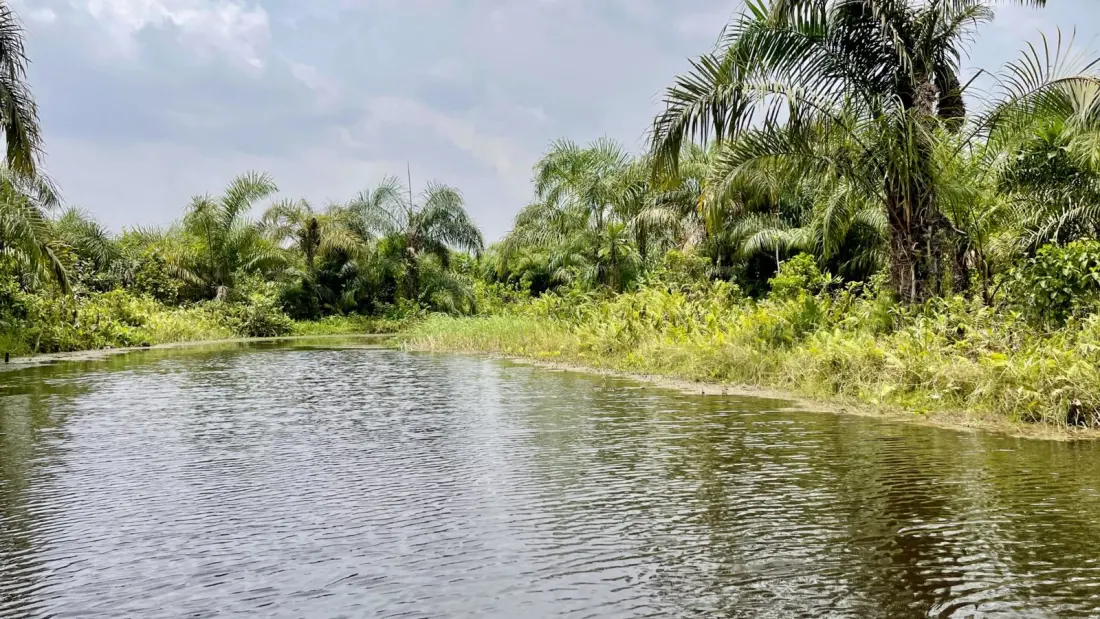
Day two shifts gears. Head out to Adjarra, just beyond the city, for a two-to-three-hour dugout canoe trip along the Black River, gliding past raffia palms, ferns and marshland with a local guide. Many trips pair the paddle with visits to workshops making drums and raffia baskets, which neatly combines the region's nature and craft traditions. Save your last hours for a final wander, a gallery or artist workshop — the creative scene is growing — and one more meal in the historic centre.
Who's this for? Travellers who like their city breaks low-key and culture-heavy rather than checklist-driven. Porto-Novo works well as a two-day detour on a wider Benin itinerary, especially paired with Cotonou and, further afield, the country's better-known attractions. The heat is real, so plan outdoor sightseeing for early mornings and keep afternoons for museums and long lunches. Check Benin Tourism's guidance on visas, health and safety before you go, and confirm opening hours on the ground — small attractions here don't always keep strict schedules.
First published by Getaway South Africa.