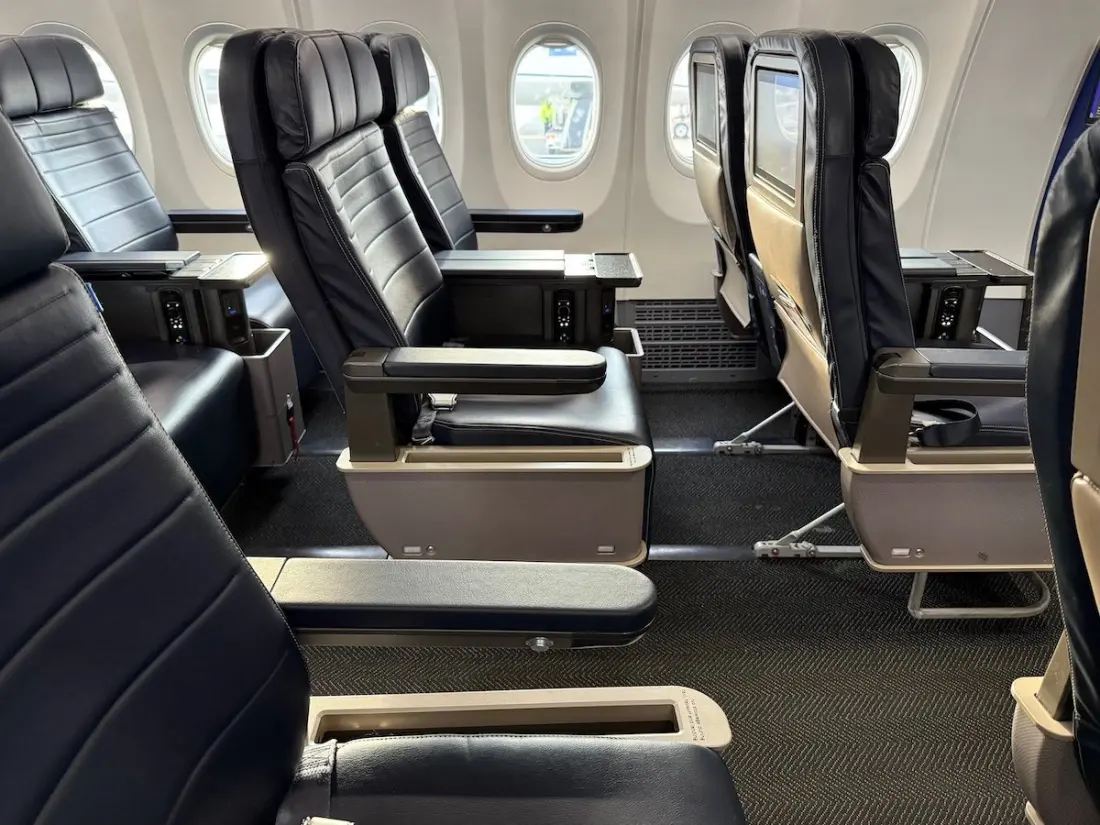
United Airlines has quietly changed what a domestic first class ticket means. As of late October 2026, the airline is selling stripped-down "basic" first class fares across many US routes, following the rollout of a similar no-frills version of its Polaris business class earlier in the spring.
Here's the catch for anyone booking: when searching on united.com, you now need to tick a box labelled "Include Basic economy & restrictive fares" to see the full range of prices. First class tickets are split into three tiers — Base, Standard and Flexible — and the cheapest option comes with real downsides. Basic first class fares are non-refundable, charge $199 for changes, don't include complimentary seat selection, and earn zero redeemable miles (though they do still rack up Premier Qualifying Points based on spend).
The pricing mechanics are the sneaky part. In some markets the new Base fare is slightly cheaper than the cheapest first class ticket used to be, but the Standard fare — which matches what the old entry-level fare included — often costs more than before. In other words, travellers who want the flexibility and perks they've always associated with domestic first are effectively facing a price increase. The reporting pegs the cost of avoiding the restrictions at around $75 on top of the base price.
This didn't come out of nowhere. Basic economy normalised the idea of a restricted cheapest fare more than a decade ago, and airlines have since extended the playbook up the cabin. Premium cabins have generally gotten cheaper in recent years as carriers worked to fill seats that used to go to upgraders — this move looks like an attempt to squeeze more revenue out of that demand without giving anything away.
United's management is unsurprisingly pleased. On the Q3 2026 earnings call, Chief Commercial Officer Andrew Nocella praised the tiered products, saying buy-up rates have been "incredibly high" and that united.com was redesigned specifically to sell them. He framed it as more choice for customers. The counterargument writes itself: if most people are paying extra to escape the restrictions, the baseline product isn't really a bargain — it's a decoy that makes the old price look like an upgrade.
For travellers, the practical takeaway is simple. If you're booking United domestic first and see a suspiciously low fare, read the fine print before celebrating. Check whether seats can be selected, whether changes cost $199, and whether you'll earn miles — because on the Base fare, the answer to all three is no. Mileage runners and anyone who values refundability should compare the Standard fare against the old price they used to pay, or look at competitors, since this tactic hasn't spread uniformly across US carriers yet.
It's a genuine shift in what domestic first class means in America: the perks are no longer baked into the cheapest ticket, they're now something you buy back.