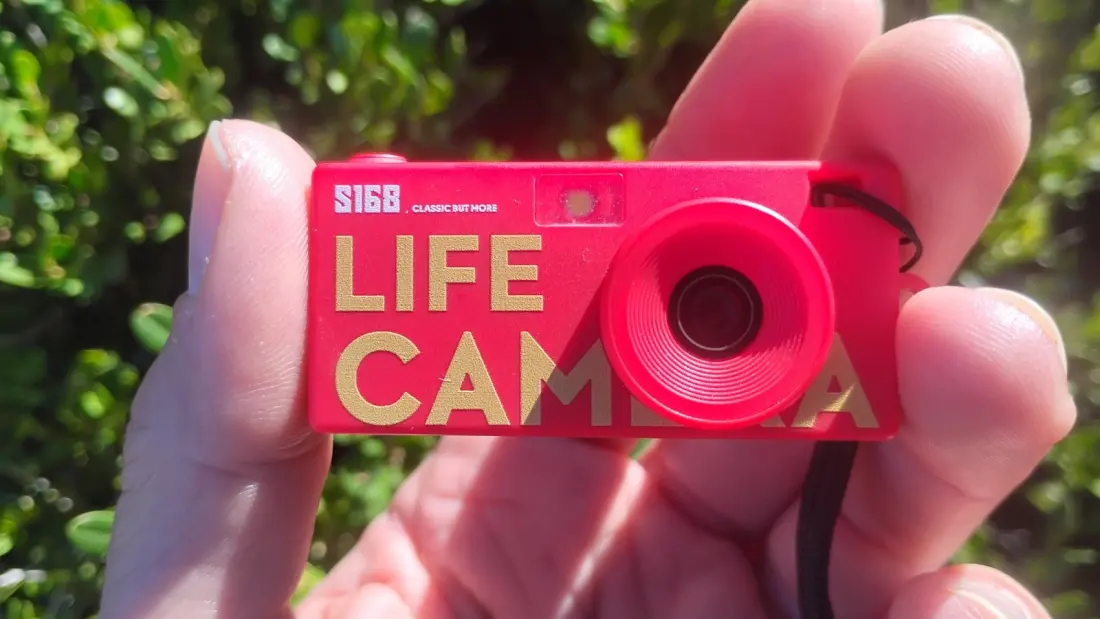
A thumb-size camera the weight of a sheet of paper — 21 grams, about the size of a pack of gum — recently went on test on the trails of western Colorado, and the verdict is a mixed but useful one for anyone tempted by the digital-detox trend.
The reviewer behind the test had ditched his smartphone for a $15 flip phone, following the wave of Gen Z users going dumb-phone. The trade-off: calls, texts, podcasts and a basic GPS worked fine, but the flip phone's camera produced photos that looked smeared and video too pixelated to follow. Rather than haul his smartphone along just for photos, he tried a keychain camera — the Life Camera S168, a $30 direct-from-manufacturer model inspired by the Kodak Charmera craze of late 2025 — on dayhikes in Vail, the Little Book Cliffs Wild Horse Range, and Colorado National Monument.
The hardware is delightfully minimal: three buttons, a tiny rear screen, MicroSD storage up to 128GB, and USB-C charging. The 2-megapixel sensor (against 48 on a modern iPhone) comes with a flash and retro filters. The manufacturer claims 2K video, though the reviewer found footage looked more like a 20-year-old camcorder — grainy, washed-out colours, and saved in AVI files his Android couldn't even play without an extra app.
Photo results? Think disposable camera, which is exactly what they evoke. Shots are legible and would print fine at three-by-five inches, but zoom in and it falls apart. The big weakness for hikers: bright light. Landscape skies blew out into formless white patches, and pale-skinned subjects risked resembling ghosts without careful framing.
So who should care? For the vast majority of hikers, the reviewer concludes, this is a gimmick — even cheap phones shoot better images with HDR and shake reduction. But for the growing minority who've deliberately gone phone-free, it fills a real gap. A proper point-and-shoot costs triple the price and weighs ten times more. His own compromise: a real camera for work trips and bucket-list destinations, the keychain camera slipped in a pocket for casual overnights and local trail days.
For travellers plotting a photography-heavy trip, the takeaway is clear — this tiny gadget is a fun nostalgic accessory, not a replacement for your phone or a real camera.