A 47-year-old hiker became the first person in South Africa to be rescued with the help of a battery-powered exoskeleton, after a long day on Table Mountain left her too exhausted to finish the descent. The incident, on a Saturday afternoon, ended safely shortly after 11pm — and it carries useful lessons for anyone planning to hike the famous gorge route.
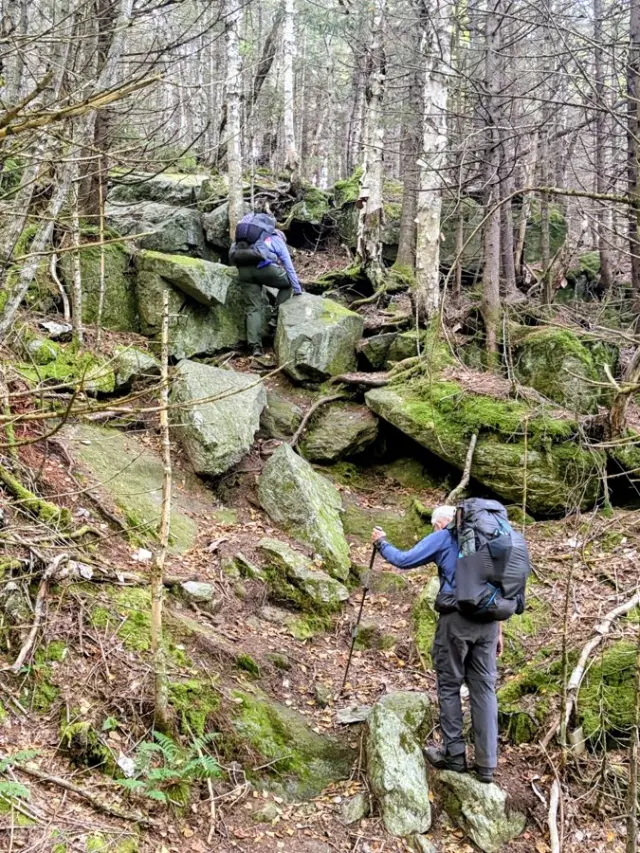
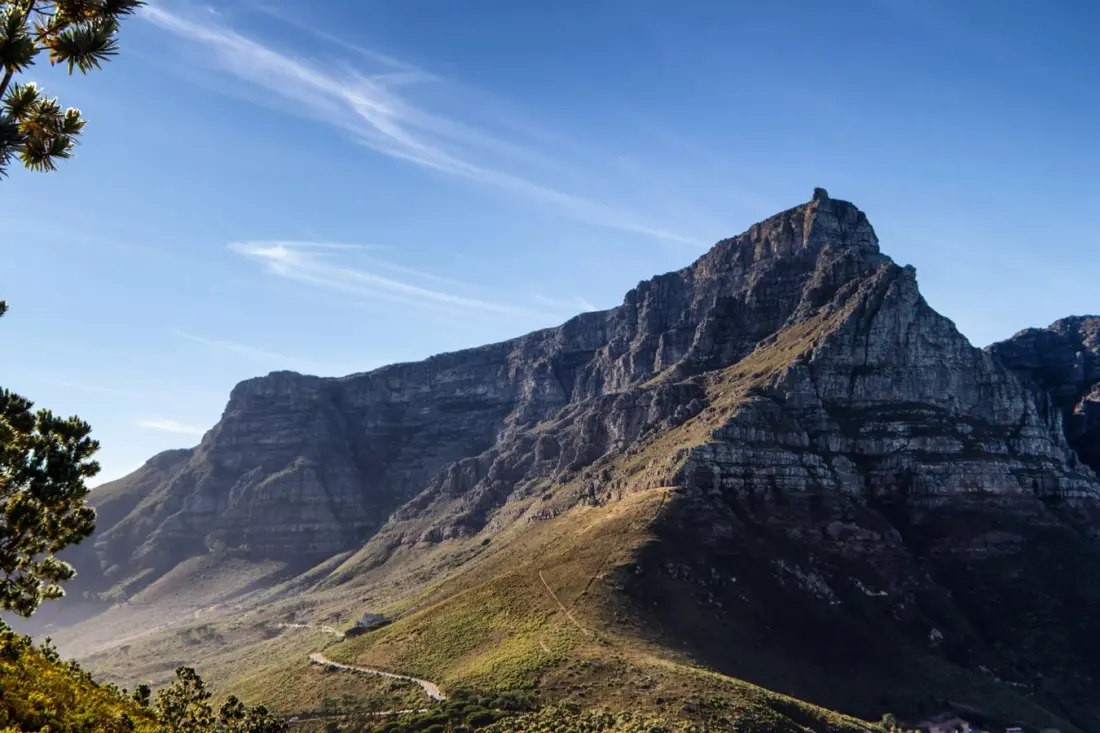
The woman and her family had climbed Platteklip Gorge, the steepest and most direct walking route to the mountain's summit plateau. When they reached the top, the Table Mountain Aerial Cableway had already shut for the day, so there was no quick ride down. Faced with a long walk in fading light, the family did the smart thing: they phoned Wilderness Search and Rescue (WSAR) before things turned serious, saying they were heading down but might need help.
That early call mattered. A small team that included a Western Cape Government Health and Wellness EMS paramedic hiked up to meet them. By then the mother's legs had given out on the steep gorge. Rather than carrying her, rescuers fitted her with a Hypershell Exoskeleton — a lightweight device worn around the hips and thighs that provides powered assistance as you walk, easing the strain on tired legs. Once it was on, her movement steadied and her confidence returned, and she walked down the gorge on her own feet with the team alongside her. The whole family was off the mountain by just after 11pm.
It was a first for South African mountain rescue. WSAR says the exoskeleton gives them a new middle option between simply guiding someone and carrying them out — useful for exhausted but uninjured hikers. For travellers, though, the more practical takeaway came from WSAR's other message: the family called early, while they could still move and communicate, which let rescuers plan and meet them on the mountain instead of launching a night emergency.
Platteklip Gorge is doable for reasonably fit hikers, but it's a relentless climb with little shade, and weather and light change fast on the mountain. WSAR's advice is to start early, check the cableway's operating times so you know whether the ride down will be an option, and carry a torch, water and warm clothing no matter how clear the forecast looks. Save the emergency number — 021 937 0300 — before you set off, and don't be shy about calling it if a descent starts feeling wrong. Early calls are treated as good planning, not an embarrassment.
If you're visiting Cape Town and want the classic Table Mountain experience without the endurance test, time your hike so the cable car is running at the top; the gorge takes most people two to three hours up. And whatever route you choose, treat daylight as a hard deadline — as this family discovered, the mountain doesn't wait, even if technology can now lend your legs a hand.