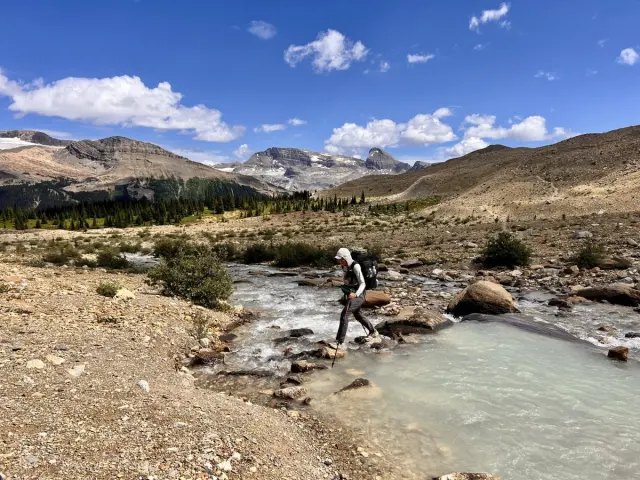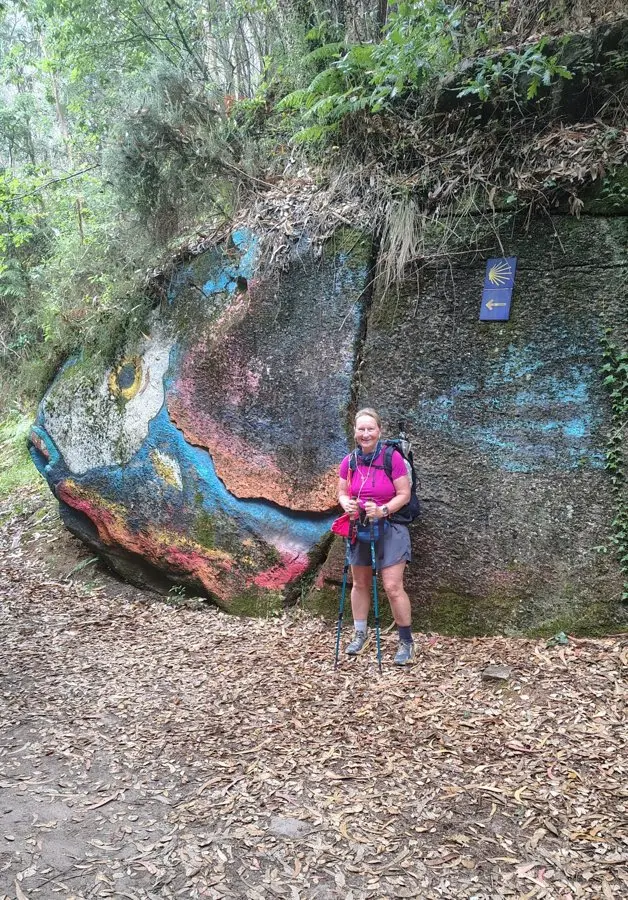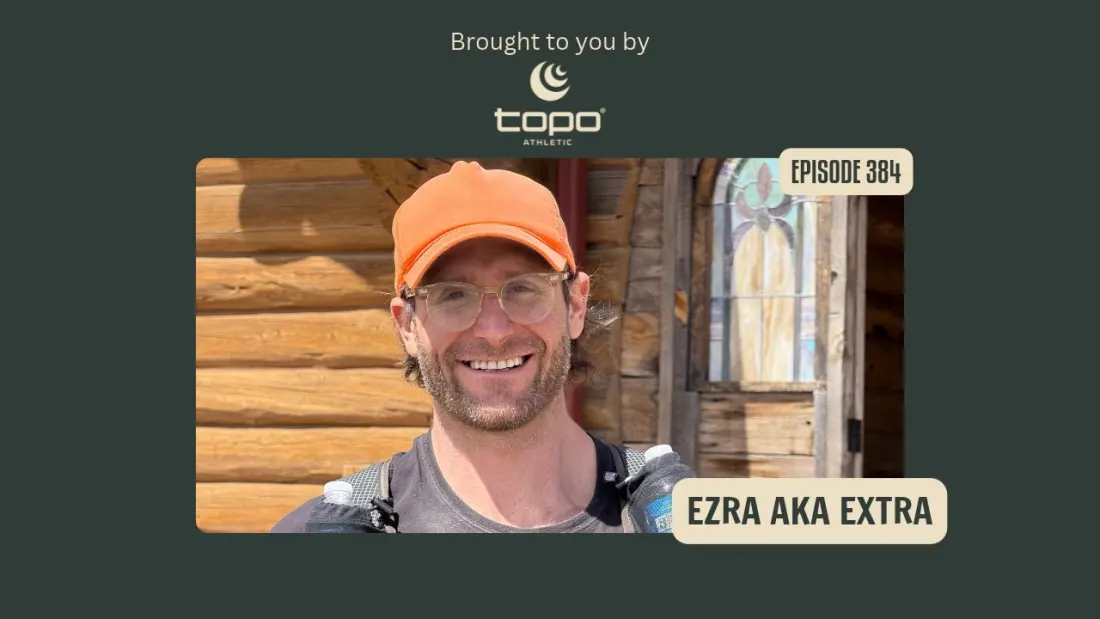
Ezra — trail name Extra — has finished the triple crown of American long-distance hiking three times over, including a third thru-hike of the Pacific Crest Trail. He recently sat down with Backpacker Radio, The Trek's long-running podcast, to talk through the super-lightweight philosophy behind his Extra Ultralight YouTube channel, and it's a genuinely useful listen for anyone lugging too much pack weight on a long hike.
His origin story is a nice slice of hiking history: as a teenager in 2004 he fell under the spell of Ray Jardine, the godfather of ultralight backpacking, and hiked the Appalachian Trail at 18 with a stripped-down kit that was radical for the era. Two decades later the gear has caught up with the ideology — his base weight on the Continental Divide Trail was just four and a half pounds, a figure that was almost unthinkable when he started.
Some of his choices are satisfyingly odd. His luxury item is a scalpel. His rain shell weighs five and a half ounces and doubles as his shelter (the Gatewood Cape design). He's a fan of cheap Frogg Toggs rain gear, bleach for water treatment, and a repurposed Evian bottle as his water carrier — proof that the lightest, best kit is often the least expensive. On food, he offers a cautionary tale: he spent a year and a half eating almost nothing but nuts, first hailing it as a nutritional breakthrough, then living through the digestive consequences. Lesson learned about trail diets.
Beyond gear, the episode gets refreshingly honest about the mental side of long hiking. Extra describes re-entry anxiety after months in the woods — traffic, phones, grocery stores all feeling alien — plus a lucid dreaming phase so intense he struggled to separate dreams from reality. He also shares his five points of trail etiquette, his take on cold-soaking meals, and thoughts on how thru-hiking culture has changed since 2004, when nobody knew what a thru-hiker was.
Why does this matter to travellers? Anyone planning the PCT, CDT or AT — or even a week-long trek — will pick up practical weight-saving ideas that translate directly to more comfortable days on foot. The broader theme is worth internalising too: cutting pack weight isn't about suffering or gear snobbery, it's about questioning every item you carry and accepting clever multi-use solutions. And the segments around the interview — a rain-soaked Arizona Trail trip report and a data-backed look at whether the Appalachian Trail is actually overcrowded — are handy reality checks if you're choosing between America's big three trails.
If you prefer your advice in audio form, the full episode runs with timestamps covering gear lists, pack setups, Japanese gear worth watching, and the eternal question of hiking fast versus slow. Lighter feet, guaranteed.