Kyrgyzstan sells itself on mountains — roughly 94 percent of the country is mountainous — but the people meant to keep visitors safe on those slopes aren't being paid enough to stick around. A new World Bank and International Finance Corporation study, the Country Private Sector Diagnostic for the Kyrgyz Republic published in November 2026, found that tourism wages there run about 20 percent below Uzbekistan's and more than 40 percent below Kazakhstan's, and roughly 30 percent under the Kyrgyz national average.
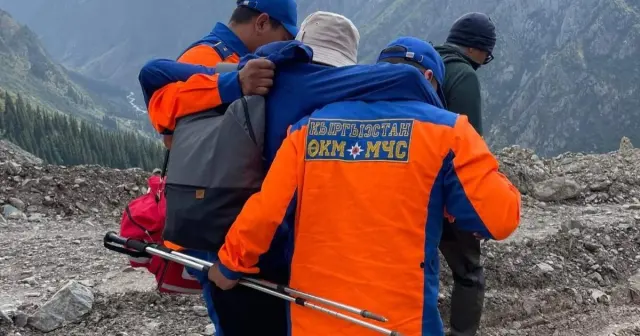
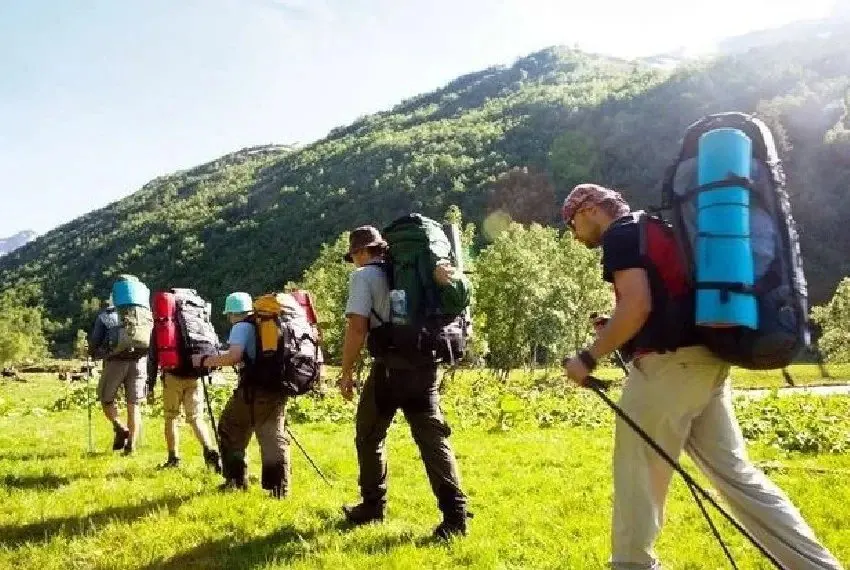
Why should a traveller care? Because pay levels translate directly into the quality and safety of your trip. The report flags an acute shortage of qualified mountain and trekking guides, rescuers, emergency response staff and trained hospitality workers. The World Bank notes that low salaries make it hard to attract and retain the specialists whose work most directly affects tourist safety — a real consideration if you're planning alpine climbing or multi-day treks in the Tian Shan.
Seasonality makes the problem worse. Many Kyrgyz tourism operations run at full capacity for only a few months a year, so staff can't count on stable income or build long-term experience. On top of that, the country lacks enough specialised training programmes and internationally recognised certifications for guides and rescue personnel.
The knock-on effects reach travellers' wallets too. Companies struggling to find skilled staff struggle to offer higher-value services, operate year-round, or attract the international visitors who spend the most. The study points out that international tourism receipts topped $1 billion in 2024, but the boom in arrivals hasn't delivered matching revenue growth for travel service businesses.
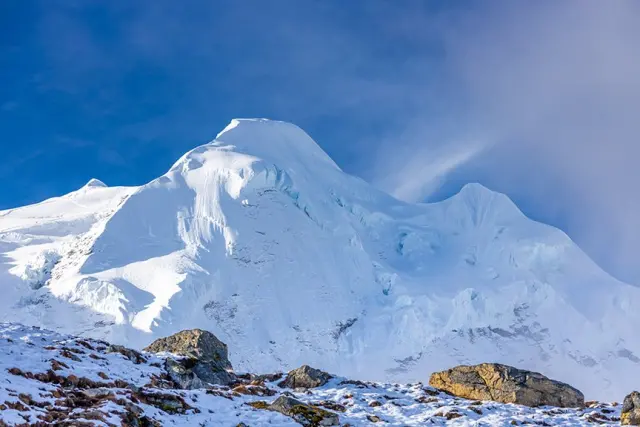
For now, the upside for visitors remains the raw appeal of the place: vast high-mountain terrain, lakes like Issyk-Kul, and a well-established trekking and ecotourism scene that's still cheaper than the Alps or the Himalayas. The World Bank's prescription — better business conditions, more professional training, and incentives to keep qualified people in the sector — suggests the experience should steadily improve. In the meantime, travellers heading into remote Kyrgyz mountains would do well to book through operators using certified guides and to check what rescue and insurance arrangements are in place before setting off.