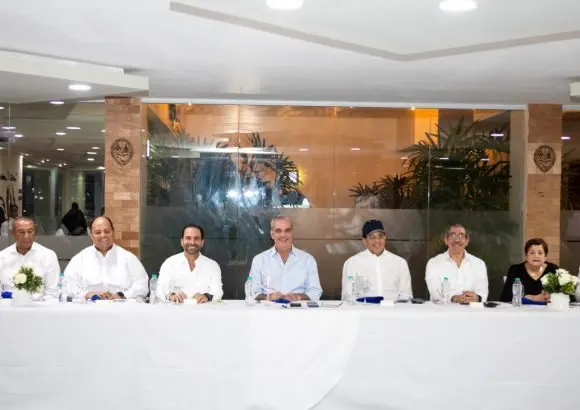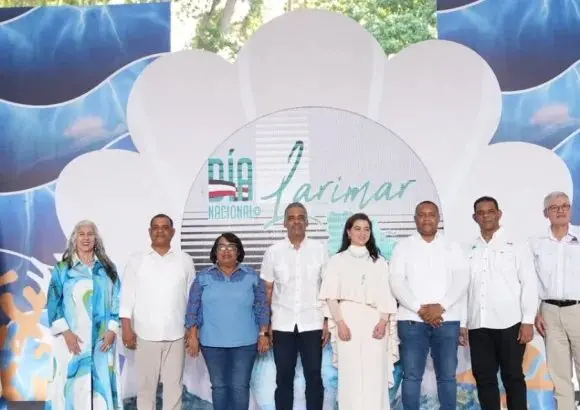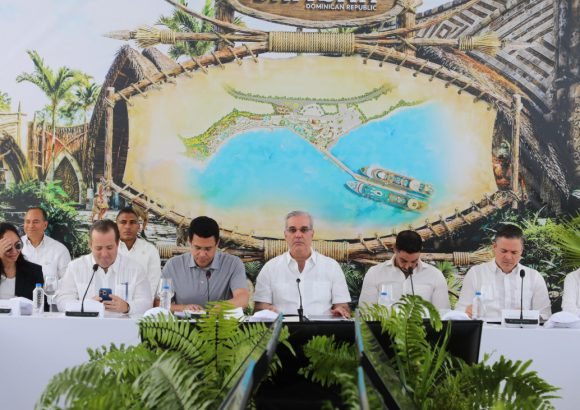
The Dominican Republic has a new gateway for cruise ships. Port Samana, built on the site of the old Puerto Duarte in Arroyo Barril, was inaugurated on Tuesday, November 24, and it's the country's first port project completed under a public-private partnership law passed in 2020.
The scale of the investment is significant: more than US$68 million from the private side, delivered through a 33-year agreement between the Dominican Port Authority (Apordom) and PDAB Port Investments, a company tied to the ITM Group. The Ministry of Tourism and Banco de Reservas backed the deal. The private partner handles design, construction, financing and day-to-day operation, while the state keeps ownership and regulatory oversight.
What cruisers will actually find is more than a pier. The terminal can berth large cruise ships and includes commercial areas plus a theme park built around Dominican culture, food and traditions — an attempt to give passengers a reason to linger rather than treat Samana as a quick photo stop.
The traffic projections show why authorities are confident. Apordom expects roughly 230,000 cruise visitors in 2027, climbing to 540,000 in 2028 and as many as one million per year by 2030. Local officials hope the flow of passengers translates into work for tour operators, drivers, guides, artisans and restaurants across the Samana peninsula.
For travellers, this matters because Samana has long been one of the Caribbean's most naturally gifted but logistically awkward destinations. Whale-watching season (January to March, when humpback whales breed in the bay) has always drawn ships and day-trippers, yet the peninsula's beaches — Playa Rincon, Playa Bonita, Las Terrenas — required effort to reach. A purpose-built terminal with commercial and cultural facilities on site makes it far easier to pair a cruise call with real time in the region, or to fly into the capital and explore the northeast before or after a sailing.
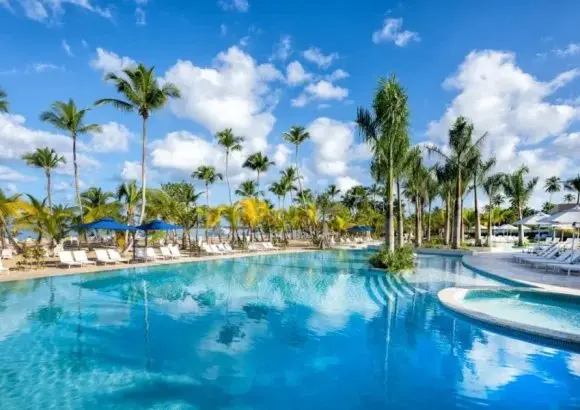
It also signals where Dominican tourism is heading. The country has been pushing beyond the Punta Cana resort corridor, and Samana's bay, waterfalls like El Limon, and cocoa-country hinterland give cruise passengers something distinctly different from the usual eastern beaches. If the million-visitor target lands, expect more excursion options, better local transport and a busier craft and food scene around the port in the next few years.
Who should care: cruise travellers eyeing Eastern Caribbean itineraries for 2027 and beyond, and independent travellers who have been waiting for the Samana peninsula to get easier infrastructure. Just note the numbers are projections — the terminal is new, and the full excursion ecosystem will take a season or two to mature.