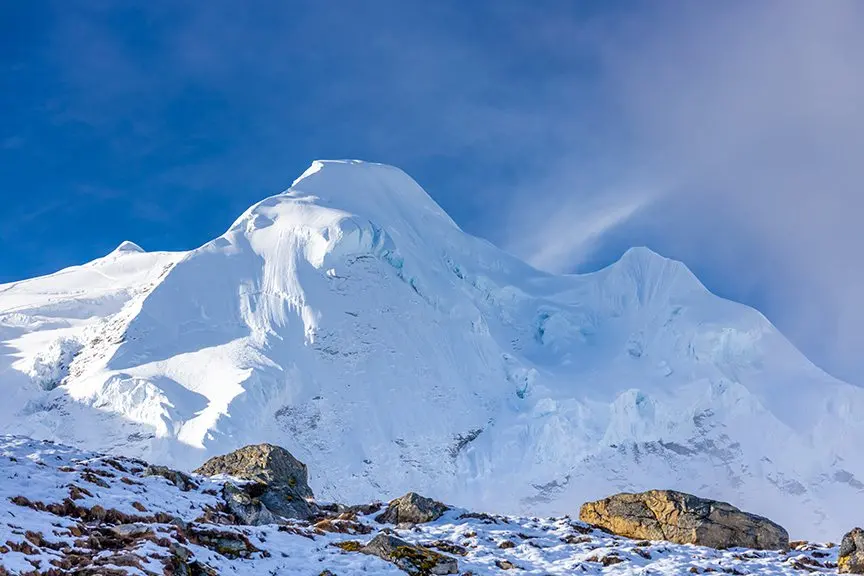
An experienced American climber died on Nepal's Mera Peak over the weekend of November 21-22, a reminder that even Nepal's so-called trekking peaks carry real risk.
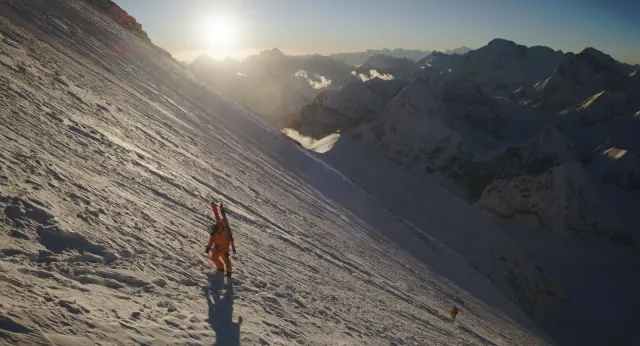
Richard Carlos Skidmore, 66, from the United States, reached the 6,476m summit of Mera Peak at around 10am on Saturday, November 21. He descended to the high camp at roughly 5,800m and spent the night there. The next morning he was found dead in his tent, according to Solukhumbu district police. His body was flown by helicopter to Kathmandu for an autopsy.
The cause of death has not been determined. An initial report pointed to possible altitude-related illness or a cardiac event, but neither has been confirmed medically. Other Mera Peak climbers have questioned the decision to sleep at high camp after a morning summit, when most parties push straight down to lower elevations — though there is no suggestion yet that this contributed to his death.
Skidmore was not a novice. He had climbed Lobuche Peak, another 6,000m-plus Himalayan summit, in 2024, according to the Everest Chronicle and the Italian Alpine Club's Lo Scarpone.
Mera Peak is often marketed as one of Nepal's easiest 'climbing' objectives, popular with trekkers wanting to cross the 6,000m mark without technical mountaineering skills. But the numbers tell a steeper story. Since 2018, four people had already died on the mountain before this incident, according to the Himalayan Database — which itself covers popular trekking peaks only selectively, so the true figure may be higher.
The takeaway for anyone eyeing Mera or similar peaks: 'trekking peak' is a marketing label, not a safety rating. At nearly 6,500m, the summit day is long, the air is thin, and the high camps sit in an altitude zone where altitude sickness and cardiac strain become genuine threats, especially for climbers over 60. Descending promptly after a summit, booking with a reputable operator, and having an honest conversation with a doctor beforehand all matter more than the peak's difficulty grade suggests.