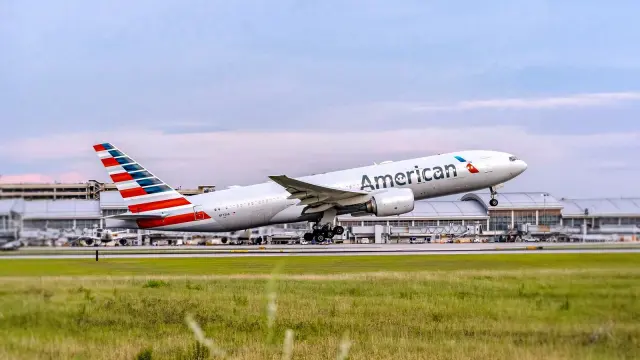
An American Airlines top-tier frequent flyer took to X to vent when the airline offered him a $91 first class upgrade on a short Dallas–El Paso flight (551 miles) while his complimentary upgrade hadn't cleared. AA's reply — "Please delete this from public view and join us in DM" — looked, at first glance, like an airline trying to hush up criticism. The reality was simpler: his screenshot included his reservation confirmation number, and the airline was trying to protect him.
A confirmation number, or PNR, combined with a surname can sometimes be enough for a stranger to pull up a booking. Depending on an airline's security controls, that could expose trip details or let someone meddle with a reservation. American at least requires a birthdate as an extra check online and in its app, but the PNR is still something to keep off social media. The author's take: AA handled it clumsily — a one-line explanation ("your screenshot shows your booking reference") would have killed the controversy — but the request itself was reasonable, not an attempt to suppress a complaint.
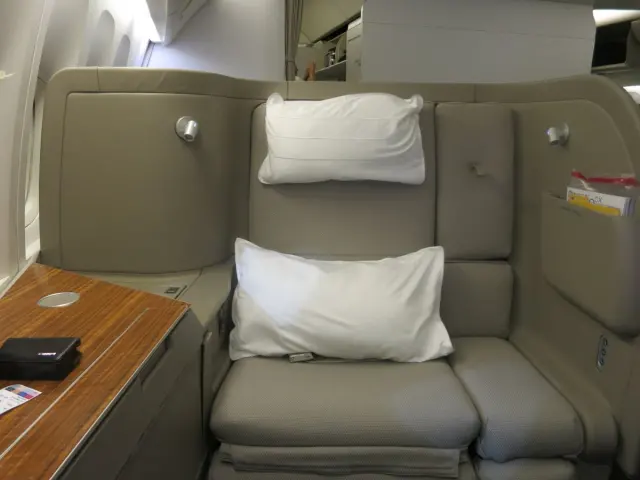
Then there's the underlying gripe. For an AAdvantage Executive Platinum member, watching unsold first class seats get flogged for $91 while you wait for a complimentary upgrade stings. Loyalty feels devalued. But the argument in the source piece is that an upgrade that hasn't cleared was never yours to begin with. Selling those seats is the business model now, and it can actually work in passengers' favour: buy a cheap economy fare, wait for a reasonably priced paid upgrade, and decide on the day whether first class is worth the total.
That logic points somewhere bigger: the case for being a "free agent." Rather than concentrating spending on one airline to chase status, the author argues you're often better off booking whatever schedule or price suits you, buying up front when the deal is good, and treating any complimentary upgrade as a pleasant surprise. Two years into that approach, he reports flying first class domestically more than ever — without the annual grind of qualification. Status isn't worthless (he still gets occasional upgrades as a mid-tier member with AA and United), but he no longer plans travel around it. One oddity worth knowing: sometimes the upgrade offer costs more than simply buying the first class ticket outright, so always compare before tapping accept.
Who should care? Anyone who posts travel complaints online — crop your booking reference before you share — and any frequent flyer wondering whether this year's status push is still worth it. If cheap paid upgrades keep appearing, the maths behind chasing elite status gets harder to justify. The value proposition, as the piece puts it, has gone.