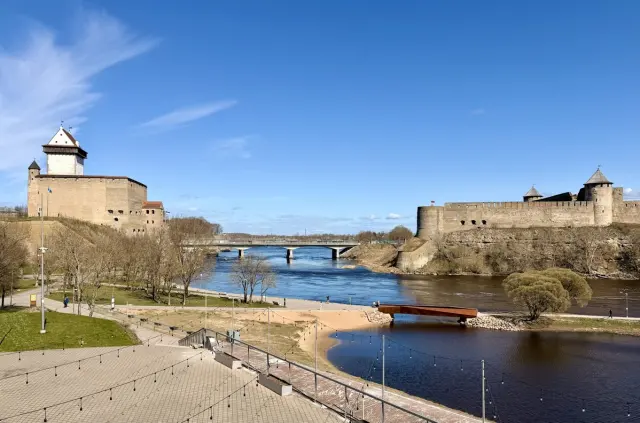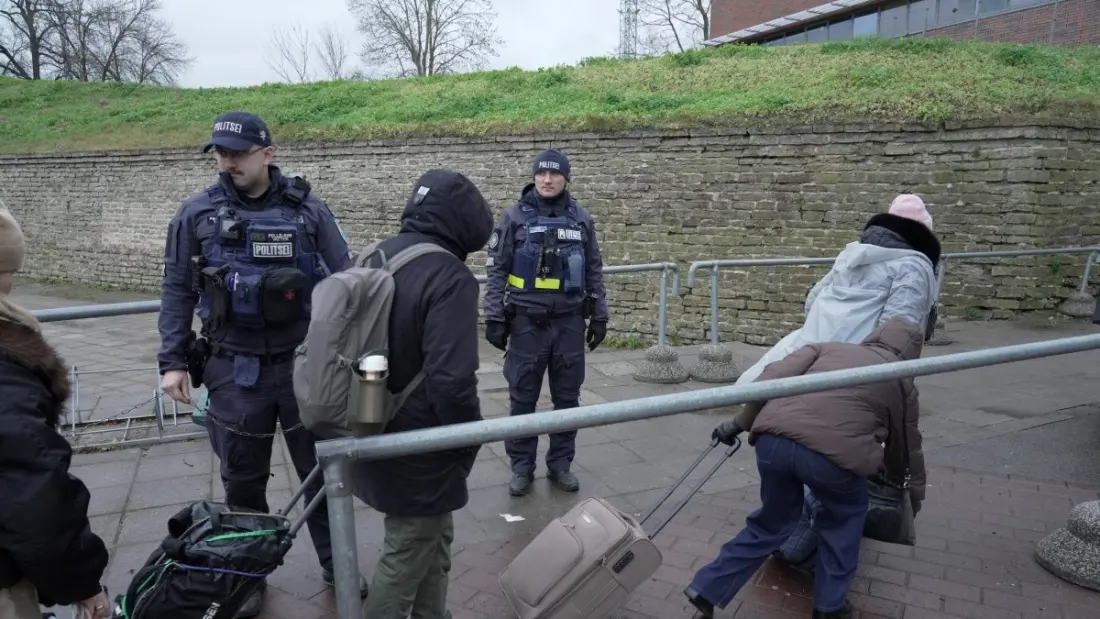
From December 1, the bridge between Narva in Estonia and Ivangorod in Russia will close, along with two other crossings, ending the last direct land route between the two countries. In the days before the deadline, queues formed in Ivangorod as people with suitcases and bags rushed to make one final trip across the river.
The closures follow Estonia's claim that Russia's military intelligence agency, the GRU, orchestrated an attempted arson attack on a drone factory on Estonian soil. Tallinn calls it part of a wider pattern of hybrid activity since the war in Ukraine began in 2022; the Kremlin calls the accusation unfounded. Estonian police say sealing the border will make it harder for Russian intelligence to recruit people and will help block sanctions evasion. Moscow's response has been sharp — spokesman Dmitry Peskov accused Estonia of 'building a wall', while the foreign ministry said it reserves the right to respond politically and diplomatically.
For the people who actually use the crossing, the politics are painfully personal. Narva is a mostly Russian-speaking Estonian town of over 50,000, home to Estonians, ethnic Russians and stateless residents of the post-Soviet era, and many have relatives just across the river in Ivangorod. 'My brother's over there. Now we won't be able to see each other,' one woman crossing into Estonia told AFP, echoing others who remembered the border being open even in Soviet times.
The shutdown is less dramatic than it would have been a few years ago, because traffic has already collapsed. Estonia's public broadcaster ERR reports crossings fell from more than 4 million a year before 2022 to roughly 760,000 in 2026 — and nearly half of this year's total, about 447,000, went through the Narva-Ivangorod bridge. Russia had already suspended vehicle traffic there in February 2024, leaving pedestrians only. Finland closed its own Russian border in 2023, which is why some queueing at Ivangorod called it the last practical route north.
There is still a workaround for those determined to travel: Latvia, Estonia's southern neighbour, retains two road crossings with Russia. Travellers without a car will likely need to fly. But for border towns like Narva and Ivangorod, where shopping trips and family visits across a single river were ordinary life, the December closure marks the end of something that survived even the Soviet collapse.