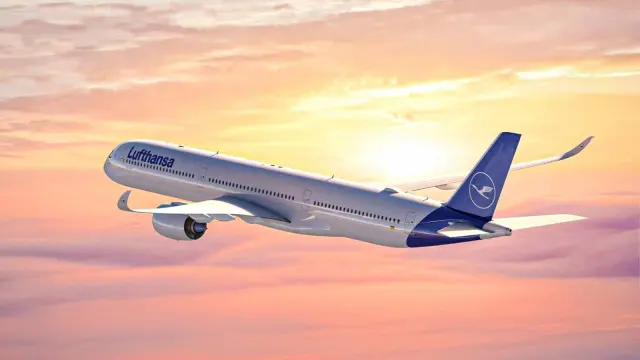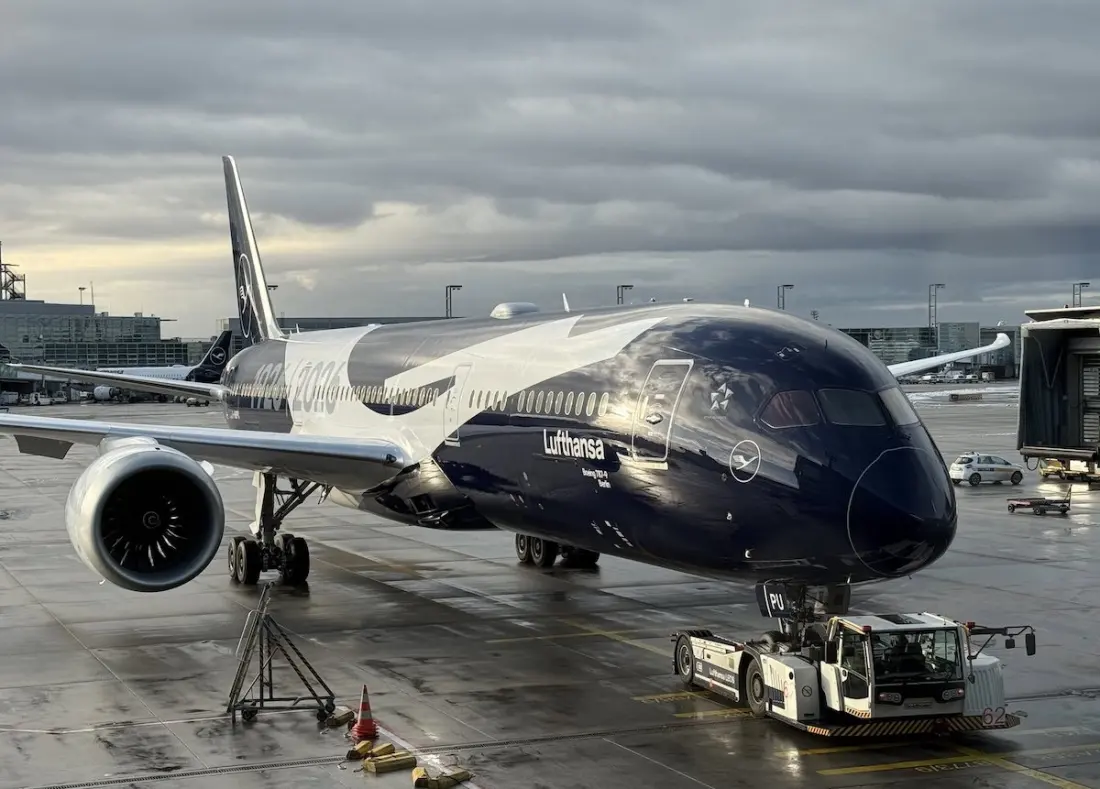
Lufthansa is once again rattling sabres at its own pilots. The German flag carrier's management has floated plans to dramatically cut back its core mainline operation — possibly to a long-haul-only airline — as negotiations with the pilots' union stall over pay and career prospects.
The numbers are striking. Lufthansa's mainline fleet currently runs to more than 260 aircraft, with over 120 more on order. One proposal going to the supervisory board would shrink that to 100 long-haul and 100 short-haul jets, with the rest handed to Lufthansa City Airlines, the group's lower-cost subsidiary that has been steadily absorbing the carrier's European flying. A more radical scenario, described as unlikely but on the table, would see mainline Lufthansa abandon short-haul flying altogether. Any such restructuring would take years.
The logic behind the plan is economic. Short-haul flying within Europe is a notoriously thin-margin business, and Lufthansa's hubs in Frankfurt and Munich don't generate the leisure demand that softens those economics elsewhere. The airline says it loses money on intra-European routes against low-cost rivals, so its recurring answer is to shift flying to cheaper subsidiaries. Pilots, meanwhile, are being asked to accept wage freezes in exchange for promised career progression — promises they treat with scepticism, given that Lufthansa tore up a 2017 agreement guaranteeing a minimum fleet of 325 aircraft when it lapsed at the end of 2021.
The timing is awkward. 2026 marks Lufthansa's centenary, and management had pitched it as a turnaround year after months of back-to-back strikes earlier this year. Instead, pilots are days away from being legally able to strike again, and no long-term peace deal is in sight.
What does this mean if you're flying Lufthansa? Two things. First, strike risk: a fresh walkout could disrupt connections through Frankfurt and Munich at short notice, so booking with rebooking flexibility or allowing buffer time is sensible. Second, the product itself could look different over the next few years, with more intra-Europe legs operated by City Airlines crews on the same aircraft types — a change most passengers will barely notice day to day, even if it reshapes the airline behind the scenes.
Why it matters: labour peace or not, the direction of travel is clear — Lufthansa as you know it is gradually becoming a long-haul operator, with short-haul flying outsourced to lower-cost units. Frequent flyers with status and connections built around mainline Lufthansa should watch how this plays out.