A harmless wander through La Paz taught one travel writer a lesson worth repeating: that big crowd in the street might not be a festival. Spotting unusually heavy foot traffic in Bolivia's de facto capital, they tagged along assuming a celebration, only to clock the banners, flags and tense atmosphere of a protest march. The sensible move was a retreat to the hotel, though the evening ended on a friendlier note, with marches in Bolivia often dissolving into informal street drinking.
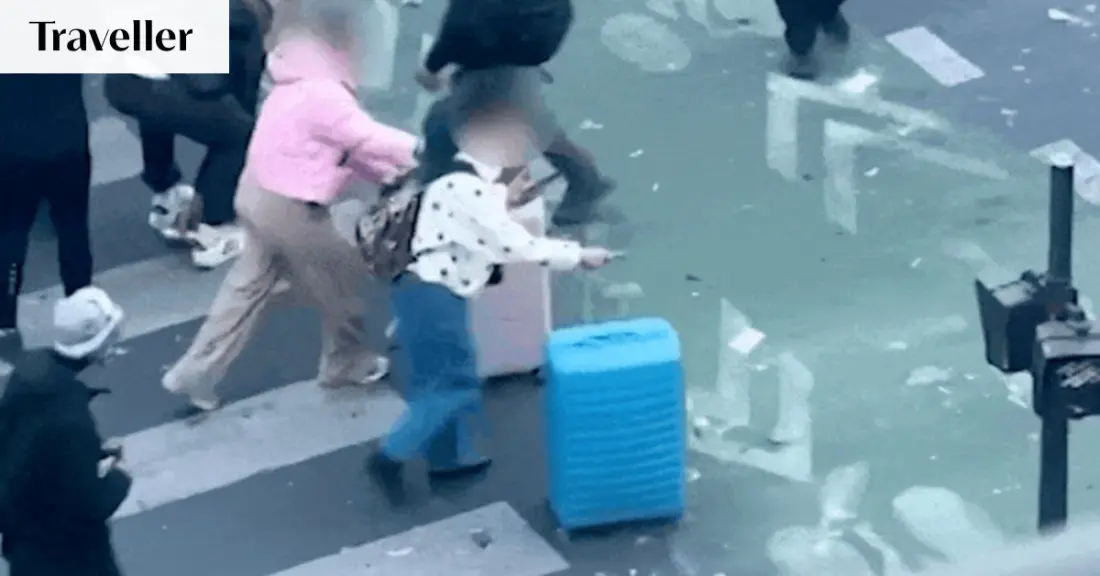
The same judgement call is being made by travellers across Europe right now. France has seen violent unrest, with Paris hit by looting and clashes with police, plus curfews and closures, including the Louvre on a Saturday. Student-led demonstrations over the cost of living and education fees have also flared in Italy, Belgium, Spain, Portugal and Greece. The mood among locals can be strikingly relaxed, with images of Parisians sipping coffee amid smoke and tourists dragging suitcases through barricades, but the booking data tells another story: hotel reservations in Paris fell around 10 per cent during the unrest.
The sharpest lesson is about insurance timing. Both 1Cover and Southern Cross Travel Insurance stress that cover for riots and civil unrest varies widely between policies, and claims tied to a known, foreseeable event will usually be rejected. If you buy a policy only after unrest makes the news, you're likely too late. Book insurance well before departure, read the fine print on cancellations, and check your government's latest travel advisories; Australia's Smartraveller currently lists France at yellow, "exercise a high degree of caution", while Italy, Spain and Greece remain at green.
On the ground, operators are urging perspective. Intrepid Travel reports no cancellations across France or its neighbouring regions, saying the situation in Paris, Marseille and Lyon has calmed significantly. Utracks, an Australian cycling and walking tour company, has had no trips affected and echoes the standard advice: skip demonstrations, avoid conflict zones, and remember that unrest is usually localised rather than city-wide. No tourists have reportedly been hurt.
For anyone travelling soon, the checklist is simple. Check advisories before you go and again on arrival. Verify what your policy actually covers for civil unrest and cancellations, and call your insurer if in doubt. Steer clear of marches even if they look peaceful, because atmospheres can shift quickly and there's little to gain by joining. And if you're already somewhere when trouble kicks off, do what the writer in La Paz did: head back to your accommodation, follow local news, and let things settle before heading out again, ideally once the mood has turned social rather than political.