Addo Elephant National Park in South Africa's Eastern Cape is in the middle of its biggest infrastructure push in years, with SANParks spending R136.5 million on new accommodation, utilities, roads and renewable energy — much of it landing before the busy December holidays.
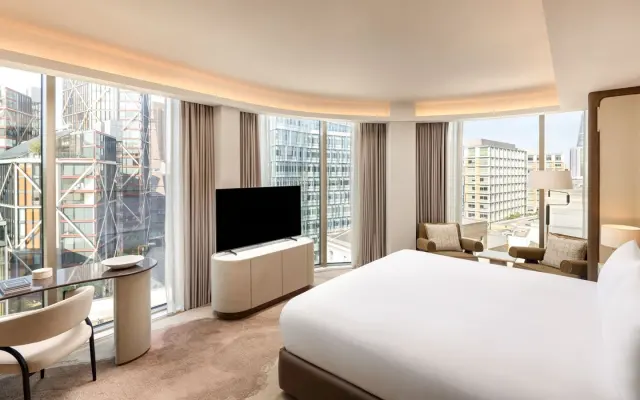
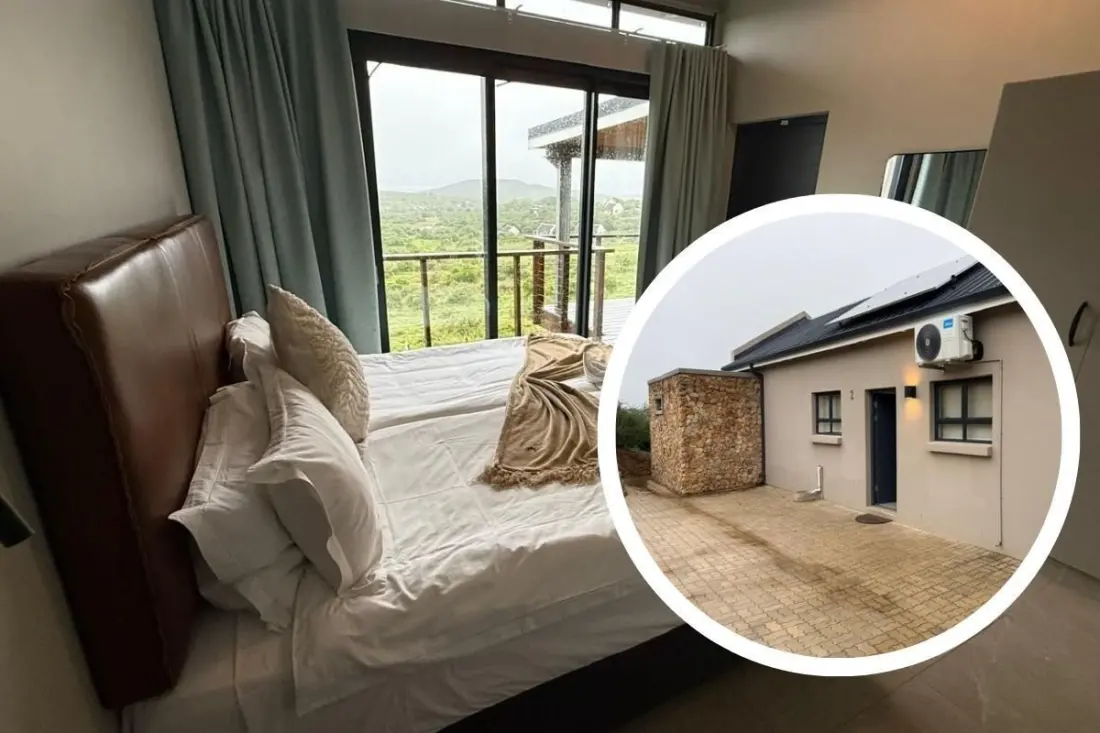
Some of it you can book already. Eight new family accommodation units are open, a new spa is up and running, and the park's aging sewer and electrical systems have been overhauled. That matters more than it sounds: Addo has long drawn criticism for tired basic facilities, and these are the things a self-drive safari lives or dies on.
The bigger additions arrive a bit later. A 10-unit Community Lodge should be built by December 2026, opening to guests in January 2027, alongside extra new units, refurbished rooms, a refreshed guest house and a swimming pool. Roads are being repaired too — no small deal in a park where most visitors tour the wildlife areas in their own cars. Not everything is fixed: ablution blocks and hiking trails are next on the priority list, after visitors flagged them to Forestry, Fisheries and Environment Minister David Maynier during an October inspection of the works.
There's a green angle as well. A 705-kW grid-tied solar plant has been completed, with commissioning planned for January 2027, reducing the park's dependence on conventional power — a genuine challenge at a property of this size.
Why should a traveller care? Addo has quietly become the alternative to Kruger: a Big-Five-adjacent safari (it's famous for its elephants, plus lions, buffalo and more) a short drive from Port Elizabeth, malaria-free, and workable as a self-drive trip without the long haul to the country's north. If your last visit was soured by potholes or dodgy facilities, this investment is aimed squarely at that experience. Book the new family units or spa now, or hold out for the lodge from January 2027.