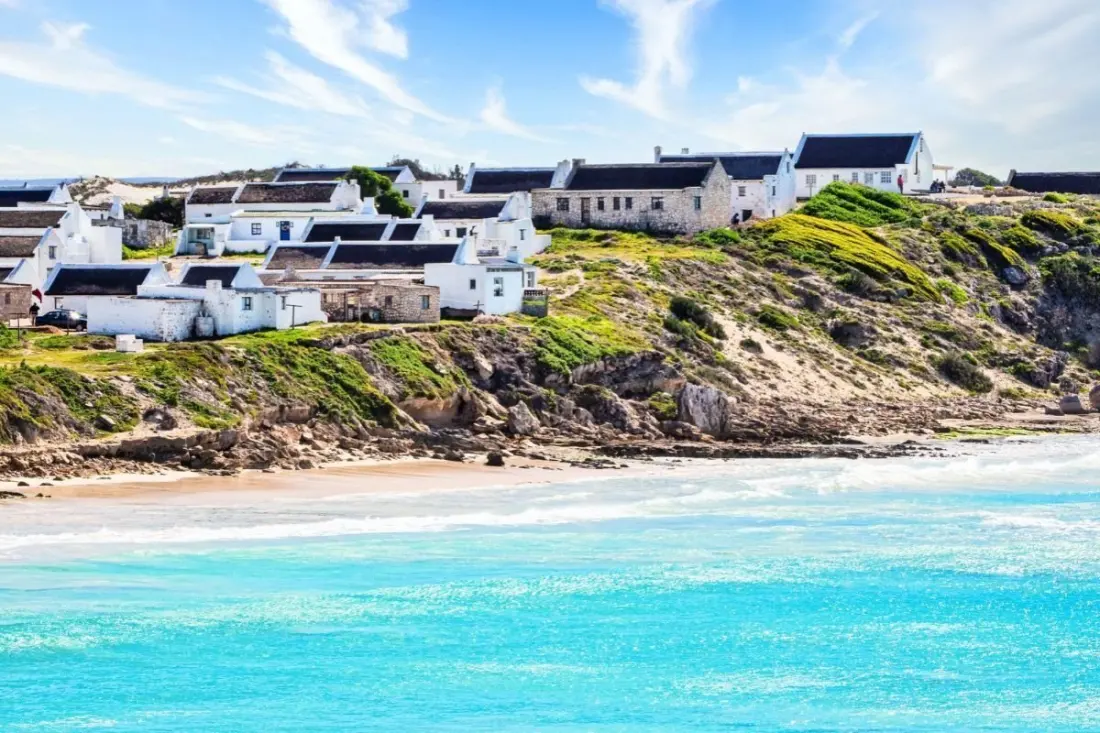
The small coastal towns South Africans escape to every summer are getting less peaceful. New first-quarter police statistics show crime climbing across almost the entire 2,800-kilometre coastline, from the West Coast down through the Overberg and South Coast to the Sunshine and Wild Coasts.
The sharpest jump is on the Sunshine Coast: Jeffrey's Bay recorded a 64.1% rise in crime in the first quarter — by far the biggest increase of any holiday town. Nearby St Francis Bay was up 13.7% and Port Alfred 10%, while Kenton-on-Sea stayed relatively calm with a 3.3% rise.
The Overberg is also under strain. Ten of its 15 police precincts logged worse numbers than the same quarter last year, with Kleinmond the standout problem — crime there jumped 22.1%. Hermanus, the region's whale-watching magnet, is stabilising after peaking last year, though it and Kleinmond share the same top offence: drug-related crime, followed by commercial crime, theft and residential burglary.
Over on the West Coast, Saldanha recorded an 8.2% rise and Langebaan 15% — though Langebaan's figure reflects a longer upward trend, while Saldanha has actually been improving overall. Drug offences make the top five in both precincts.
The South Coast picture is mixed. Port Shepstone (up 10.1%) and Port Edward (up 6.3%) are the only precincts rising, but both remain below their historic peaks, and Margate is trending down this quarter despite a longer-term climb.
The Wild Coast's headline town, Port St Johns, saw crime dip slightly from its 2024 peak — but it has surged 21.3% this quarter, and if that pace continues it could set a new record.
For travellers, the takeaway isn't necessarily to cancel a coastal break, but to plan with awareness. The most common offences — theft, burglary and drug-related crime — are the kind of street-level issues that sensible precautions mitigate: avoid leaving valuables visible, be cautious after dark, and check local conditions for the specific town rather than assuming the whole coast is identical. Some places, like Kenton-on-Sea and Margate, are bucking the wider trend.