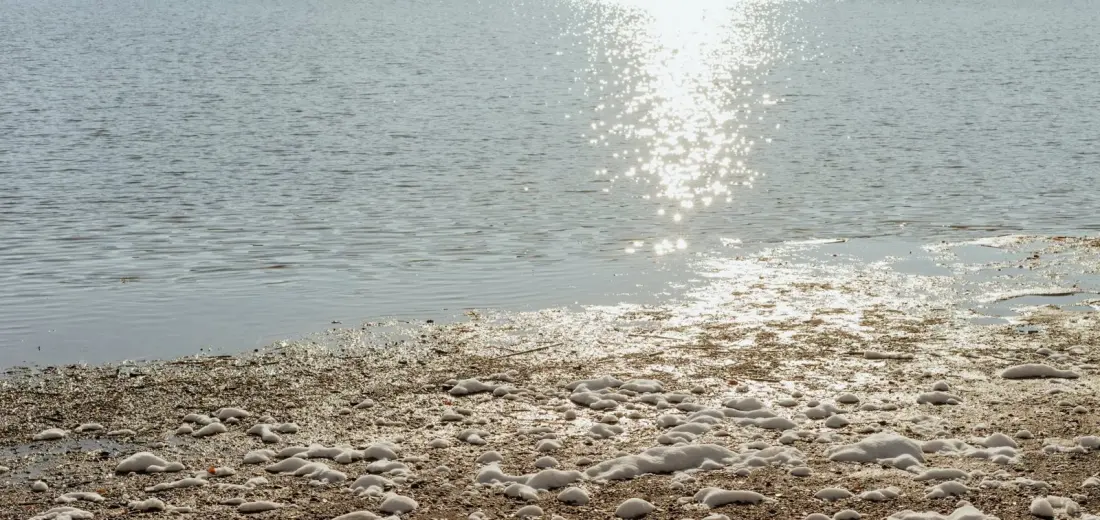
The ocean along South Africa's coast isn't always blue. Sometimes it turns rusty brown, muddy red, orange or even pink, and beachgoers are often left guessing whether it's pollution, a sign of danger, or just an odd quirk of nature. Usually, the explanation is an algal bloom — a natural event where microscopic organisms multiply rapidly in the water — and knowing how to read it can make your next beach day safer.
Algae are a normal and vital part of the marine food web, but under the right mix of nutrients (nitrogen and phosphorus from both natural sources and agricultural or sewage runoff), sunlight, warm water, and currents that concentrate cells near the shore, certain species can explode in number. The resulting colour depends on the species and their pigments. South Africa's West Coast sees these events regularly, thanks to the nutrient-rich Benguela Current. Blooms there can sometimes bring foul smells, foam, or dead marine life washing ashore.
Not all discoloured water is algae, though. Heavy wave action, river runoff after rain, and decaying organic matter can all brown the surf. And the reverse is true too: not every harmful bloom is visible. The term 'red tide' is misleading for exactly this reason — some toxic blooms are brown, green, or essentially invisible.
The risks can be real. In December 2025, the Department of Forestry, Fisheries and the Environment warned the public against eating white mussels and other shellfish washed up around St Helena Bay and Elandsbaai after suspected harmful bloom activity, cautioning that shellfish can carry dangerous toxins even when the water looks clear — and cooking doesn't reliably destroy them. Toxins can also irritate skin and eyes or cause respiratory symptoms near the shoreline, while dense or decaying blooms can deplete oxygen and kill fish. That said, plenty of blooms are harmless; some diatoms routinely turn the surf brown in False Bay without making it unsafe to swim.
The practical takeaway: treat an unusual colour change as a prompt to check, not a verdict. Skip swimming if you see strange colour, surface scum, foam, a strong smell, or dead fish. Keep kids and pets away from washed-up marine life, and never collect shellfish without checking official advisories. If you develop irritation or breathing trouble after contact, leave the area and get medical help. Cape Town publishes current beach water-quality info on its Beach Alerts site; elsewhere in the country, check your municipality and national environmental authorities.
For anyone planning a coastal holiday in South Africa, this is worth knowing before you go — the West Coast in particular, where blooms are a regular feature of the sea's rhythm. A strange-coloured ocean can be a fascinating spectacle, and often it's simply nature showing off its productivity. Just let official advice, not the water's appearance, decide whether you dive in.