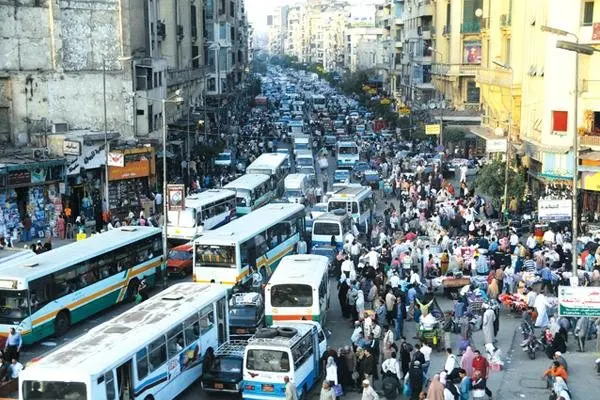
Egypt has spent a decade transforming its highway network. The government now ranks the country 18th globally for road quality, up from 118th, and anyone who has driven to the North Coast or across Cairo's new axes knows the difference. But the statistics tell a darker story: road crashes killed 5,829 people in 2025 — up 10.8 percent year on year — and injured 84,553. That's roughly 16 deaths a day, with pedestrians accounting for over a third and children under 15 making up 1,580 of the dead.
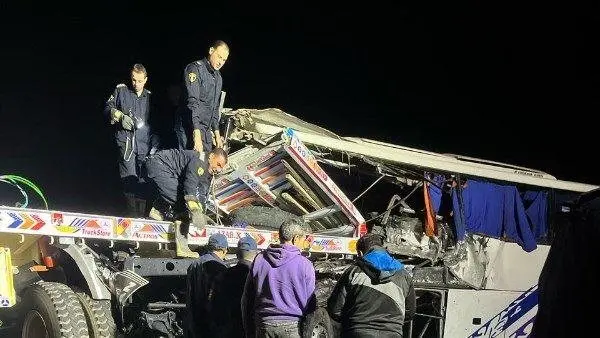
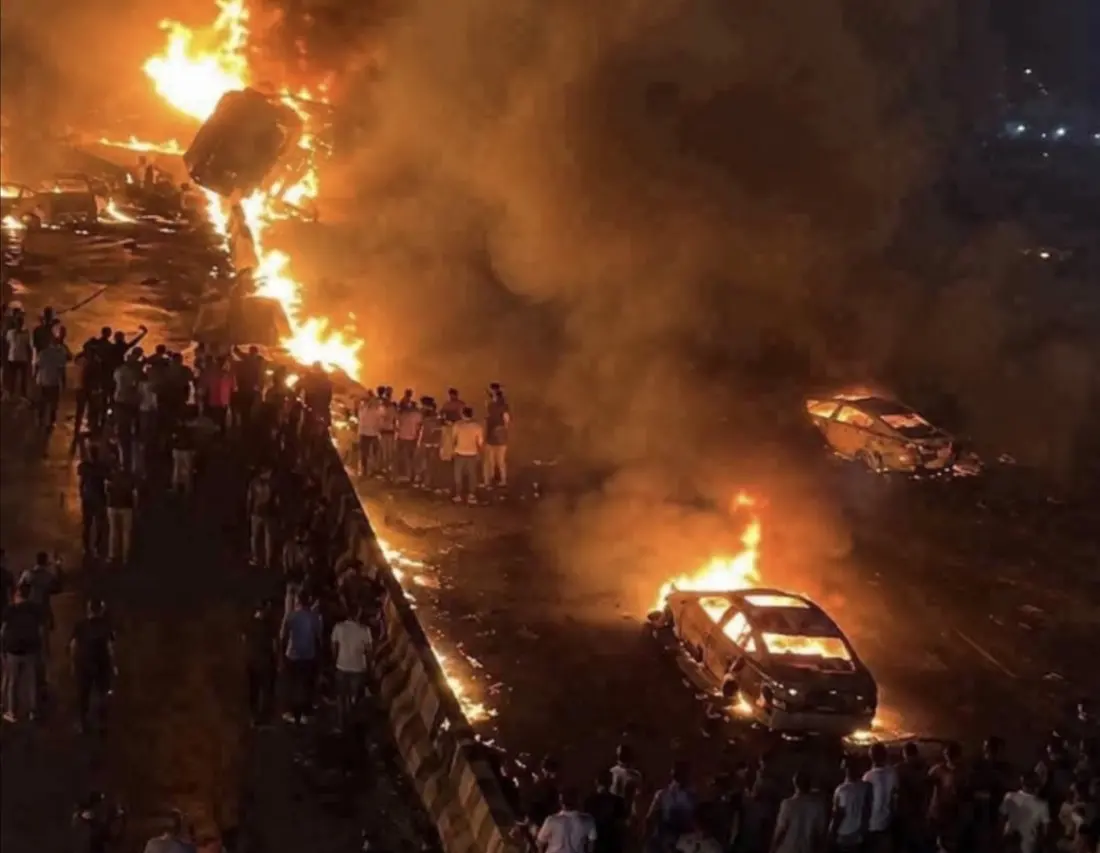
The most shocking recent incident came on a Wednesday night on Cairo's Ring Road at Warraq, where an overturned petroleum tanker caught fire and killed 31 people. Investigators say a car attempting to overtake the tanker from the right — a manoeuvre that's an everyday sight on Egyptian roads — triggered the chain of collisions. It followed a grim pattern: in June 2025, 18 young women working the grape harvest in Menoufia died when a truck hit their microbus; in October, 10 workers aged 15 to 20 were killed near the Dabaa road; and just weeks before the Warraq crash, another 10 died on the desert road to Abu Simbel.
Why the danger on such improved roads? The article points to several causes. Fast, wide roads often lack crossings, footbridges and pavements, forcing pedestrians into traffic. Maintenance has been delayed on key routes, and night-time lighting was dimmed to save electricity — with the Ring Road described as nearly pitch dark after the crash. Then there's enforcement: in a single 24-hour period after the Warraq fire, police recorded over 102,000 traffic violations nationwide, and 42 of 997 drivers tested for drugs were positive. Penalties under Egypt's current traffic law — unchanged since 1973 — are tiny by regional standards: using a phone at the wheel costs EGP 50-100, versus AED 800 in the UAE. A promised new law with heavier fines and a points system was withdrawn from parliament in February 2026 and hasn't returned.
The comparison with Egypt's Gulf neighbours is striking. The UAE cut road deaths 74 percent between 2011 and 2025 through strict enforcement and AI-powered camera monitoring, while Saudi Arabia halved its death toll after massively expanding its automated Saher camera network. The lesson, the piece argues, is certainty — cameras and escalating penalties that catch drivers every day, not just during campaigns.
Why should travellers care? If you're planning a self-drive trip, a North Coast getaway or a road transfer to Abu Simbel, this matters directly: speeding, chaotic overtaking, poorly lit stretches and truck traffic are genuine risks, especially after dark. Relying on reputable drivers and transfer companies, avoiding night drives on desert roads, and staying alert as a pedestrian are sensible precautions. With better data, redesigned roads and real enforcement on the agenda, there's hope the numbers move in the right direction — but for now, Egypt's roads reward caution.
Original reporting by Egyptian Streets.