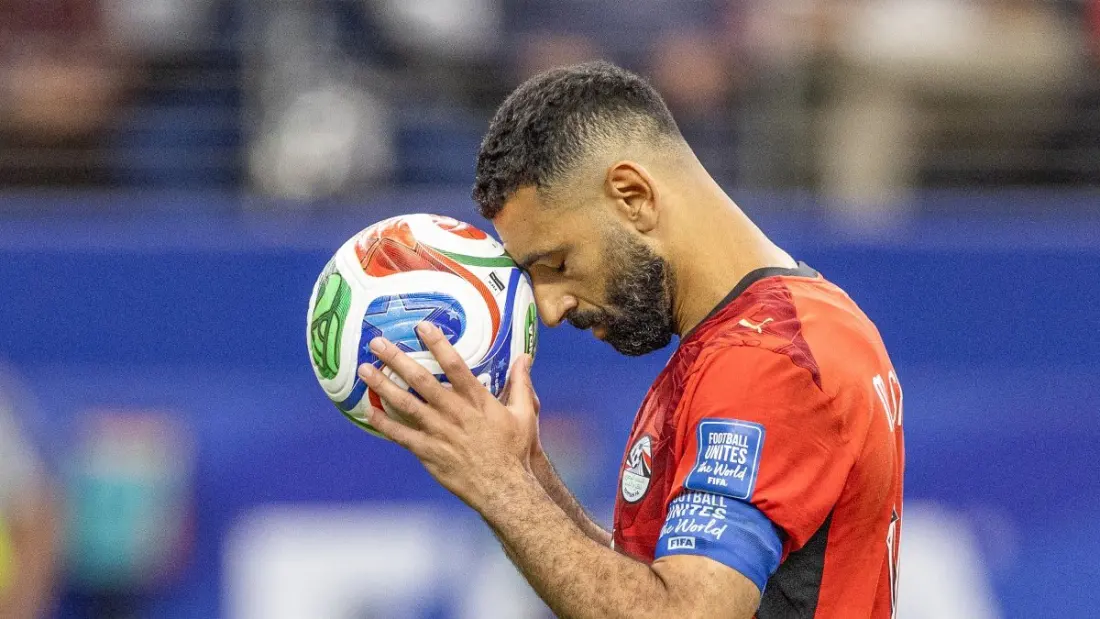
Every World Cup cycle, the same question resurfaces: how can a continent that gave us Didier Drogba, Samuel Eto'o, Yaya Toure, Sadio Mane and Mohamed Salah still have never lifted the trophy? A new opinion piece argues the answer has little to do with talent and almost everything to do with structure.
The evidence of African quality is hard to ignore. Cameroon beat defending champions Argentina in 1990 and led England 2-1 in the quarterfinals before two Gary Lineker penalties ended the run. Senegal knocked out France in the 2002 opener and reached the last eight, where Turkey's Ilhan Mansiz scored a golden goal. Ghana came within a crossbar of a semifinal in 2010 — Asamoah Gyan's missed penalty after Luis Suarez's infamous handball still stings, especially on African soil. And Morocco broke the ceiling in 2022, becoming the first African semifinalist after eliminating Belgium, Spain and Portugal, then reached the quarterfinals again in 2026, where a record 10 African teams played and nine made the knockout stage.
The writer also flags a quieter drain: many of football's biggest names have African roots but play for other countries. Kylian Mbappe (Cameroonian father, Algerian mother) represents France; Romelu Lukaku plays for Belgium via Congolese heritage; England lean on Bukayo Saka; Germany field Jamal Musiala and Antonio Rudiger; the US have Timothy Weah, son of Liberian legend George Weah. That's not a scandal — players develop where they grow up — but it does show how much African talent matures inside European systems rather than African ones.
So what's missing? The piece points to the champions' playbook: Spain's decades-long possession philosophy, Germany's post-Euro 2000 youth reforms and regional academies that built the 2014 winners, France's Clairefontaine academy feeding a World Cup triumph within a decade, Argentina pairing brilliance with coherent tactics. Africa's problem, the argument goes, is that individual stars leave academies young, succeed abroad, and the system that produced them gains nothing durable.
There's an uncomfortable governance angle too. In 2018, Ghana FA president Kwesi Nyantakyi was filmed taking $65,000 in an undercover sting and later sanctioned by FIFA; the same year, Nigeria probed assistant coach Salisu Yusuf after he was filmed accepting $750 from men posing as agents. These cases don't prove selection is corrupt across the continent, but they explain why fans don't trust that it isn't.
The takeaway: Africa doesn't need another superstar generation — it already has them. It needs youth programs that survive leadership changes, stronger coaching education, competitive domestic leagues and national teams with tactical identities built over years, not weeks. Morocco's back-to-back deep runs suggest the door is open; the task is making breakthroughs routine. For football-mad travellers, it's a good reason to catch a match in Casablanca, Dakar, Accra or Cairo while the next chapter unfolds.