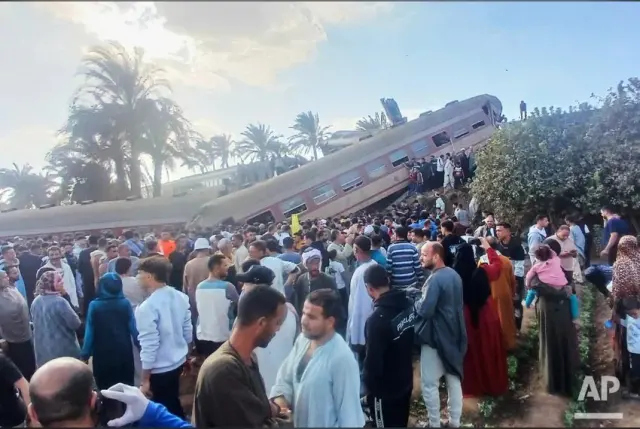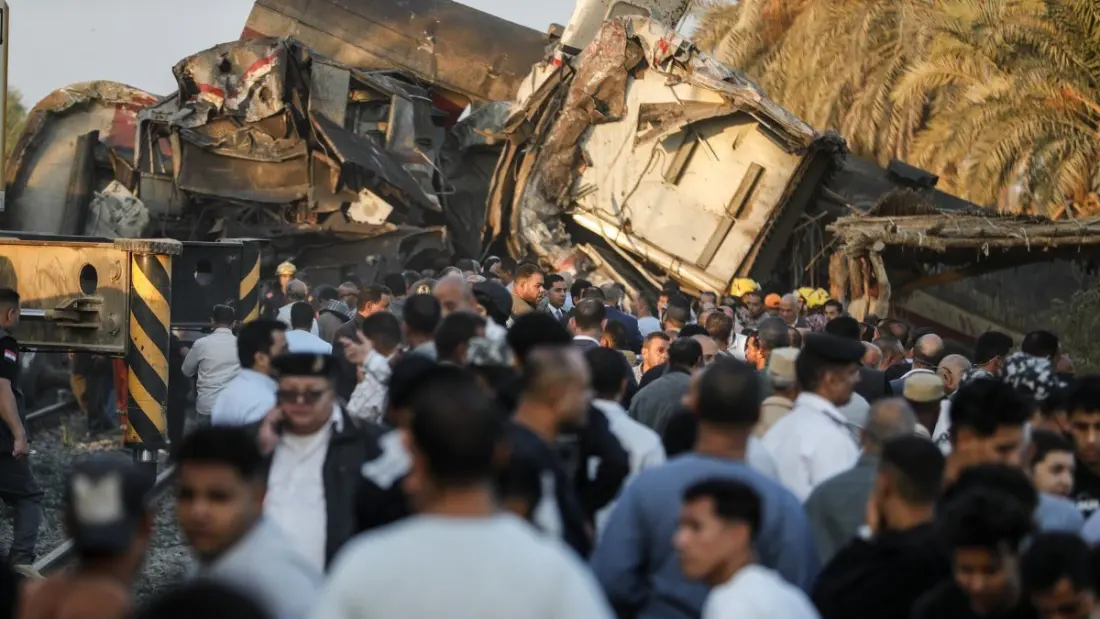
Two trains collided south of Cairo on Sunday 8 November, killing at least seven people and injuring more than 120, according to Egyptian authorities. The crash happened in Giza province's al-Ayyat area, roughly an hour's drive from the Pyramids, and immediately drew condolences from Türkiye's Foreign Ministry.
What happened, in brief: a train heading from Giza to Fayoum slammed into the rear of a second train that had been travelling south from Cairo towards Aswan. Six carriages derailed or overturned at around 1:30 pm. Egypt's Health Ministry reported 125 injured, with 71 discharged after treatment; injuries ran from bruises and fractures of the limbs and pelvis to head wounds and chest trauma. Witnesses described villagers, railway workers and first responders pulling trapped passengers out of overturned carriages in chaotic scenes.
President Abdel-Fattah el-Sissi said he was following the accident with great concern and ordered an urgent investigation, promising to hold anyone found negligent to account. An inquiry is now under way.
There's a grim sense of history about the location. Al-Ayyat was the site of Egypt's deadliest rail disaster: in 2002, a fire tore through a crowded train carrying holiday travellers south of Cairo, killing more than 370 people. Sunday's crash is the latest in a long string of fatal incidents on a network that is one of the largest in Africa and used heavily by ordinary Egyptians, though much less so by tourists, who tend to fly between Cairo, Luxor and Aswan or take the organised sleeper service.
Egypt has spent billions over the past decade upgrading its transport infrastructure — new motorways and much-publicised high-speed rail lines among them — but much of the classic rail network remains old, and safety records have lagged behind the investment. That gap is exactly what investigators will be probing after this crash.
For travellers, the practical takeaway is straightforward rather than alarming: the tourist-heavy Cairo–Luxor–Aswan corridor is a different operation from the busy commuter routes around Cairo and the Nile Delta, and most visitors are unlikely to be anywhere near the Giza–Fayoum lines. Still, if your Egypt itinerary involves rail travel beyond the main tourist routes, it's worth checking the latest advisories and keeping an eye on the investigation's findings before booking. Buses, domestic flights and guided transfers remain sensible alternatives, and Nile cruises cover the classic Luxor–Aswan stretch very comfortably.
The crash is a reminder that Egypt's infrastructure push is a work in progress. The country's rail ambition is real — the high-speed network under construction will eventually link the Red Sea coast with the Mediterranean — but until the older system is comprehensively overhauled, incidents like this will keep denting confidence in it.
Daily Sabah Travel