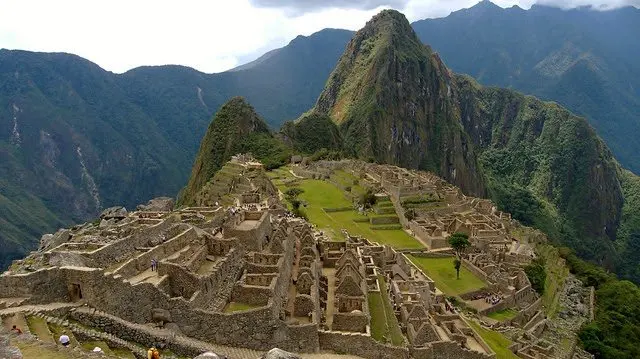
A four-day trek to Machu Picchu usually means cold tents and packet pasta. Not on this trip. Australian adventurers Caroline Pemberton and Michael Hamill — whose outfit Climbing the Seven Summits has sent climbers up Everest more times than most of us have had holidays — are piloting a new style of expedition they call "Rugged Luxury": you still earn the trail, but the discomfort is optional.
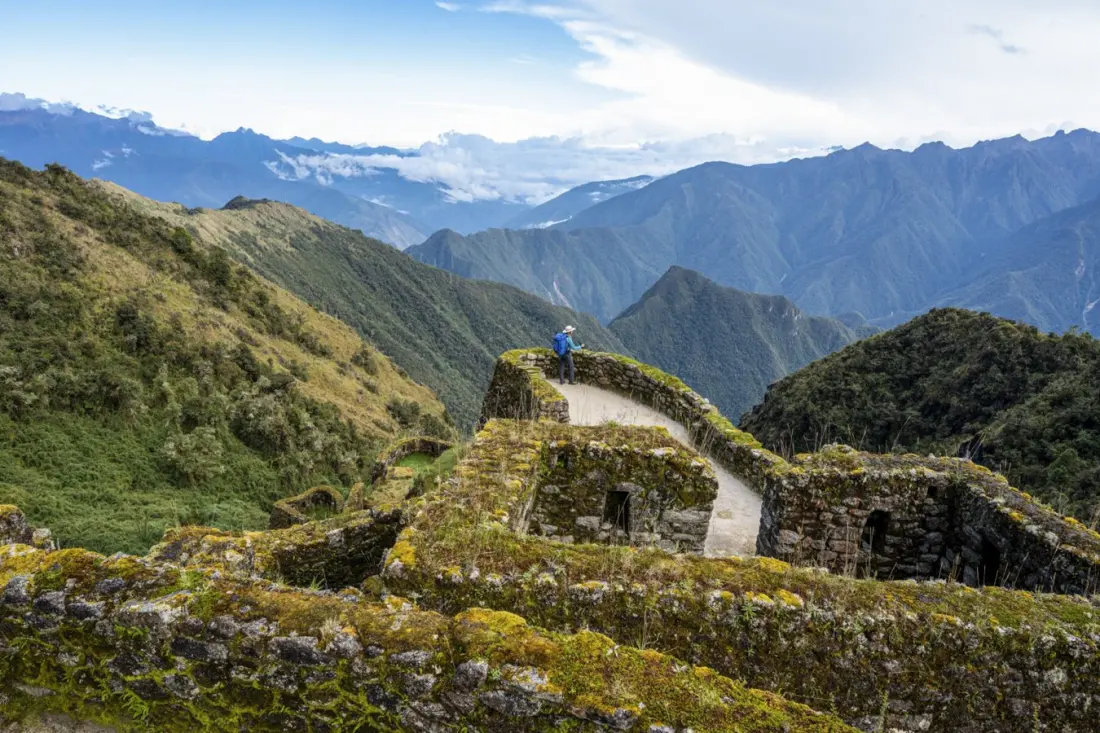
The route is the classic Inca Trail in Peru, and the writer sent to test it got a crash course in just how special it remains. Access is capped by a daily trekker permit system, so the famous path never feels like a queue. Standalone moments made the trip: exploring the ridge-top ruins of Sayacmarca entirely alone, and watching sunrise light up the glaciated 5911m peak of Nevado Veronica from camp. Entry is even passport-stamped, and the trek began with local guide Willian kneeling to offer coca leaves to the wind, asking permission to pass — a reminder you're walking a sacred highway, not just a footpath.
Preparation matters at altitude, and the itinerary builds it in smartly. The group skipped straight from 3400m Cusco down to the Sacred Valley, roughly 600m lower, where sleeping is easier and the days can be spent well: spa time at Tambo del Inka (which has its own private train station to Machu Picchu), a wander around Pisac's markets, and side trips to the Moray agricultural terraces and the Maras Salt Mines — 3,000 terraced pools harvested by the same local families since pre-Inca times.
On the trail itself, the luxuries pile up. Porters greeted the group at lunch with quena flute music and dancing; tents came with stand-up headroom, double mattresses on bed frames, bedside tables and flower petals on the pillows. A chef named Daniel produced three-course dinners garnished like a Lima bistro. At the toughest point — the 4215m slog to Warmiwañuska, better known as Dead Woman's Pass — a six-time Everest summiteer coached the team on rest-stepping and breathing, local guides handed out coca leaves, and champagne in real glass waited at the summit. Descents were sweetened by the promise of hot showers and on-trail massages back at camp.
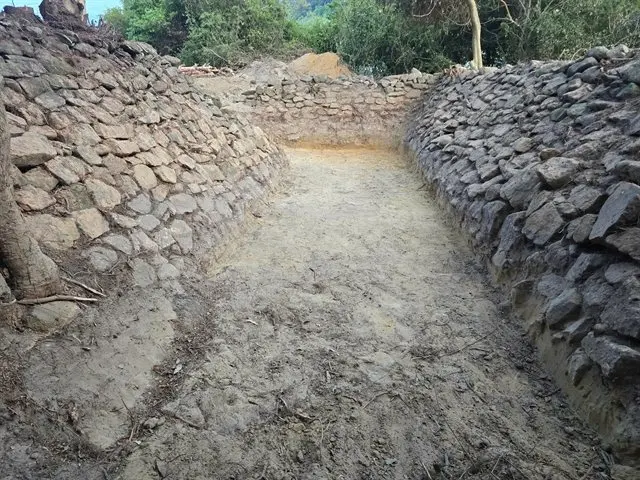
The trekking itself deserves the hype regardless of thread count. Patallacta, seen from above as intricate stonework ringed by steep valleys, is an early jaw-dropper. The Incas built a 30,000km imperial road network through some of the planet's harshest mountain terrain in barely a century, and you're walking a piece of it.
Why care? If you've written off the Inca Trail as overdone, or written yourself off as too creaky for it, this model splits the difference. The altitude is still real, the climbs still burn, and coca leaves plus Diamox still do heavy lifting — but hot showers, proper food and expert coaching make it accessible to travellers who'd normally pick a spa over a summit. Book early either way: permits and the daily cap are the whole reason the trail still feels this quiet.
Story via Australian Geographic.