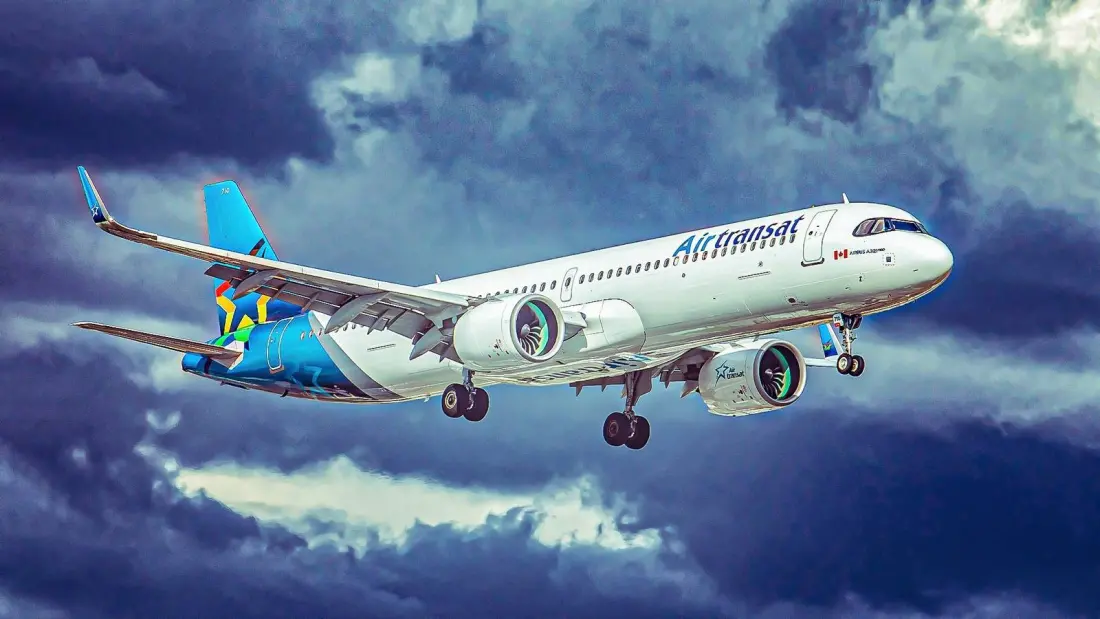
Canadian leisure airline Air Transat is trimming its network in a big way for 2026, with scheduling data from aviation analytics firm Cirium showing it has ended flights to seven international cities. The cuts mix a short-lived European experiment, a cluster of Central American and Cuban resort routes, and one surprising US loss.
The most notable casualty for European-bound travellers is Reykjavík Keflavík. Air Transat launched the Montréal–Keflavík route in June, flying up to twice weekly on Airbus narrowbodies until September 20 — but it has no plans to bring the route back next summer. Air Canada flies the same corridor from Toronto, and Icelandair serves Toronto and Vancouver, so Montréal travellers still have options; Air Transat just won't be one of them.
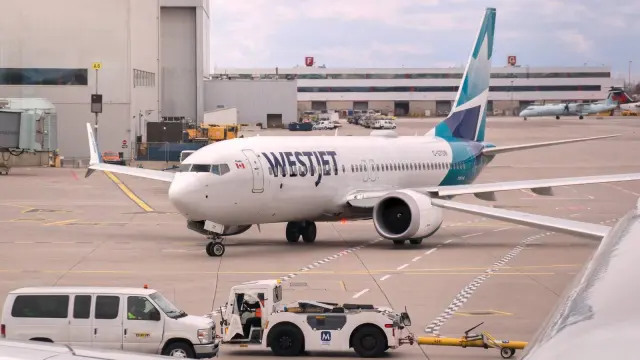
Central America takes the biggest hit, with five destinations axed. In Mexico, Guadalajara lost its Toronto service in April after just one season. More striking is Cuba: Air Transat dropped four Cuban cities in February — Varadero, Cayo Coco, Holguín and Santa Clara — which it had served from Montréal, Québec City and Toronto using a mix of A321LR narrowbodies and A330-300 widebodies. The cuts mirror similar moves by Air Canada and WestJet, and a major driver was a jet fuel shortage in Cuba stemming from the US blockade on Venezuela, the country Cuba relies on for most of its fuel. Anyone with a Cuba trip on the horizon should double-check which carriers are still operating their specific route.
The seventh cut is Orlando, dropped in May after Air Transat flew there 69 times from Montréal and 25 times from Québec City this year on A321-200 and A321LR jets. Transborder demand from Canada to the US has cooled amid tariff tensions between the two governments, so Florida theme-park holidays on Air Transat are off the table for now — though the route could return if relations thaw.
Why should travellers care? If you're booked on Air Transat, none of these cancellations affect existing trips — this is network planning for 2026. But it does narrow choices for Canadians heading to Cuba, where three of the country's major carriers have all pulled back, and it means fewer budget-friendly transatlantic options from Montréal. On the flip side, Orlando and Reykjavík remain well served by other airlines, so competitors like Air Canada, WestJet and Icelandair are the places to look instead. The broader takeaway is that airline route maps are shifting quickly this year — fuel costs and geopolitics are reshaping who flies where, so it pays to compare carriers before assuming last year's route still exists.