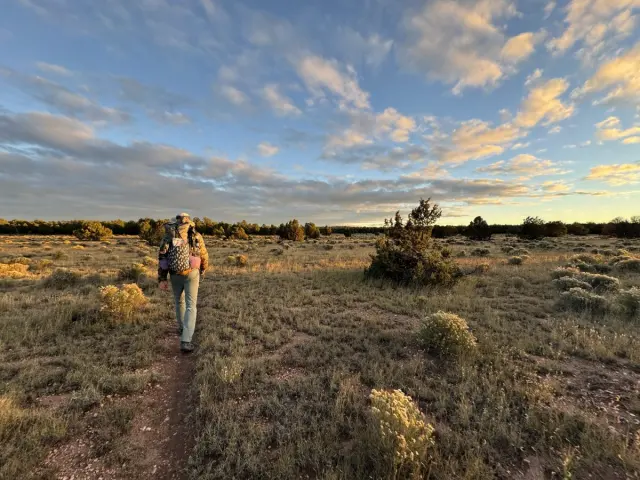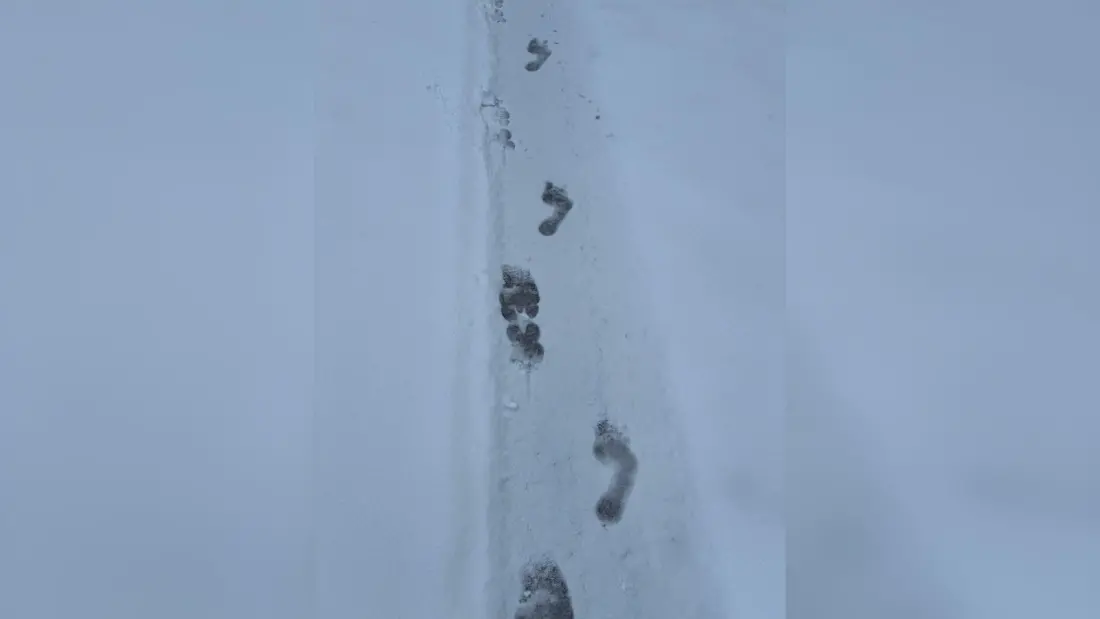
A trail of footprints in the snow near Breitenbush Lake in Oregon — one shoe print, one bare foot — led a sheriff's deputy straight to a hypothermic hiker who had been lost on the Pacific Crest Trail for four days.
The Marion County Sheriff's Office says deputy Derrick Ramseyer, a 19-year veteran, was patrolling near the lake on the afternoon of October 30 when he spotted the strange tracks at around Mile 2039.4 of the PCT. Worried about what the mismatched prints implied, he followed them for nearly five miles to Forest Service Road 4220, where he found a man inside a sleeping bag. The hiker was rushed to Detroit, Oregon, where medics treated him for hypothermia and frostbite.
The sheriff's office credited Ramseyer with likely saving the man's life and used the incident as a warning: carry an emergency communicator such as a Garmin inReach, and check conditions before heading out. Late fall on the northern PCT is genuinely cold — the Boulder Creek weather station, about 13 miles away and 2,000 feet lower than Breitenbush Lake, logged a low of 31°F that same day, meaning the higher terrain was well below freezing.
How the man ended up partially barefoot isn't clear, but losing footwear in snow or deep mud is a known hazard of shoulder-season hiking. In a single week in April 2023, three separate groups had to be rescued off Colorado's Quandary Peak after losing shoes in soft snowpack. Wet, slushy conditions that don't look serious from the trailhead can immobilize hikers fast once temperatures drop, turning a lost shoe into a life-threatening situation.
For anyone planning late-season hikes on long trails like the PCT, the takeaways are simple: don't gamble on shoulder-season weather at elevation, pack insulation you're not planning to use, and carry a satellite communicator — it's the single item most likely to bring help when a phone has no signal.