Whole Foods Market has published its annual trend report outlining eight food and beverage movements set to shape 2027, and Colombia keeps showing up in the fine print. The US supermarket chain's Trends Council — culinary experts, buyers and sourcing specialists — sees big shifts coming in how people shop, eat and order, and several of them map neatly onto what Colombia already grows and cooks.
The headline idea is terroir beyond wine. Shoppers increasingly want to know where their honey, chocolate, grains and seafood come from, and will pay for traceable origin. Colombian coffee has led this game for years, with flavour profiles tied to Huila, Nariño and the Sierra Nevada de Santa Marta. The report suggests the same logic could work for cacao and honey — good news if you like knowing your chocolate bar's backstory.
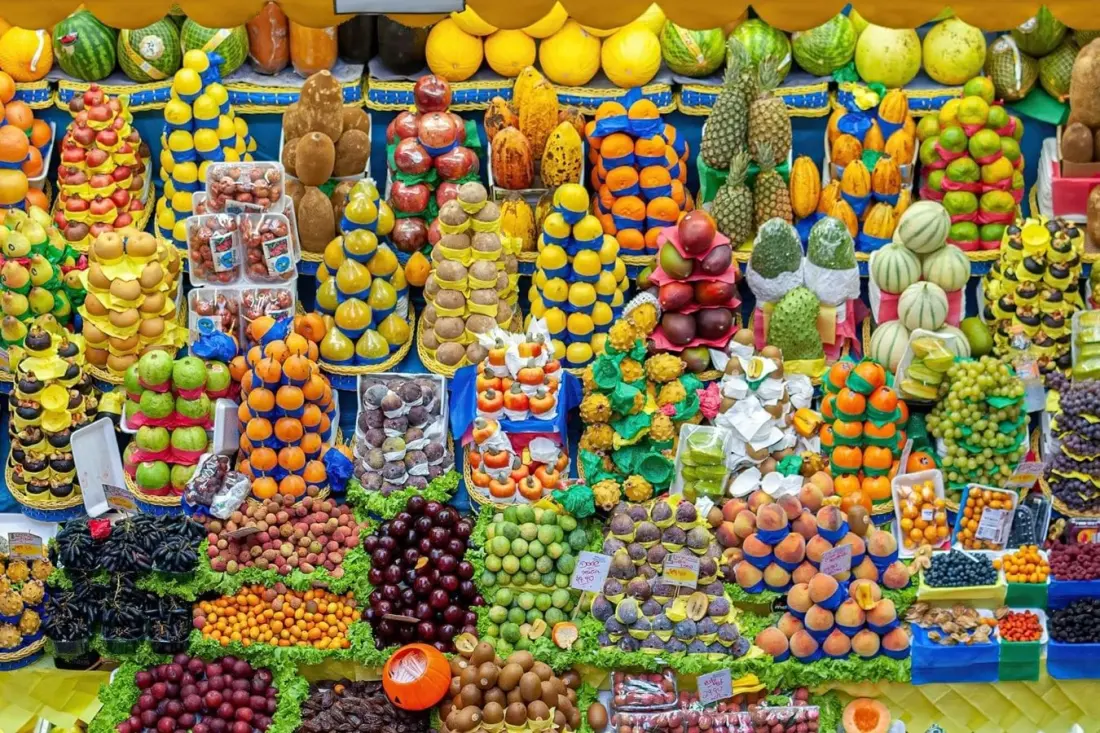
Bitter is back, too. Expect darker chocolate, intense coffee, botanical drinks and less sweetness overall. Brands like Popayán's Cacao Hunters, which works with high-percentage Colombian cacao, sit right in this lane. On the other end of the spectrum, 'beautrition' — foods marketed for skin health via collagen, antioxidants and healthy fats — is growing, with local potential in goldenberries, gulupa passion fruit, turmeric and chontaduro palm fruit.
Two trends lean on reinvention. Yōshoku, Japan's Western-adapted comfort food (think tonkatsu, omurice and Japanese curry), is forecast to spread through restaurants, ready meals and even bakery aisles. And familiar dishes in unexpected forms — birria ramen, burger tacos — are being explored by Colombian food businesses already, provided the novelty doesn't lose the flavours people grew up with.
Sustainability and simplicity round out the list. 'Zero Waste 2.0' pushes turning agricultural byproducts into new ingredients — coffee husks are Colombia's obvious candidate. Legumes step out of the side-dish shadow into hearty salads, ready-made lentil dishes and crunchy chickpea snacks, which suits a country where beans anchor plenty of regional cooking. Add ingredient minimalism — shorter labels, fewer additives — and you get a picture of a market moving toward foods with a clear story and a short list of things you can pronounce.
For travellers, this is a preview of what you'll find on menus and shop shelves in Bogotá, Medellín and beyond: specialty coffee by region, craft chocolate, Asian-fusion bakeries and creative takes on classics. If you time a trip around it, food tours and coffee-region visits will only get more interesting as producers lean into origin, traceability and bolder flavour.