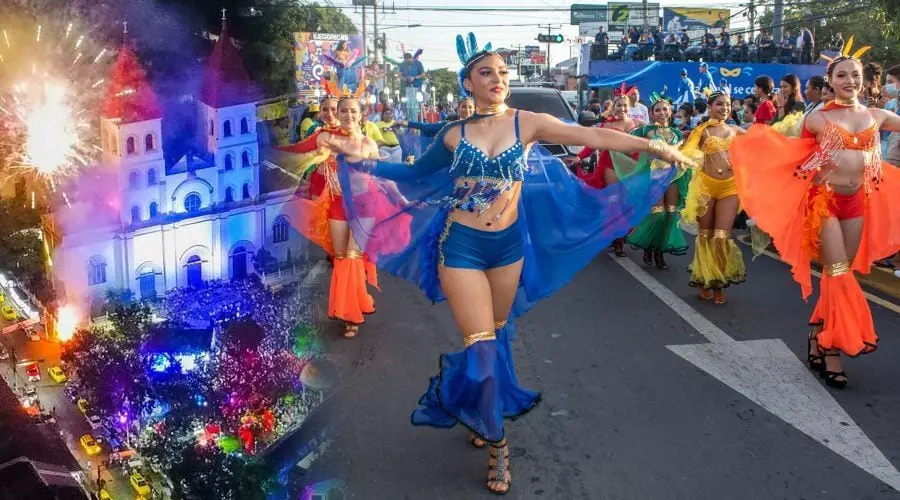
Every final Saturday of November, the eastern Salvadoran city of San Miguel throws what many consider the country's biggest street party. For 2026, the main carnival falls on Saturday, November 28 — but the real story is that the celebration now stretches across the whole month.
The carnival grew out of the city's patron saint festivities honouring Our Lady of Peace, and the modern music-and-parade format dates to 1959. Salvadoran musician Francisco Palaviccini's song "Carnaval de San Miguel" became the event's unofficial anthem, and the festival has since ballooned into a defining event for eastern El Salvador, drawing families, returning expats and visitors from across the country.
The 2026 build-up starts well before the main night. A solemn mass and procession at the Cathedral Basilica on November 21 opens the programme, followed by the carnival queen coronation and a rodeo at Charlaix Stadium on November 22. Then come the Carnivalitos — smaller neighbourhood street carnivals that run through the week, including a teachers' edition, several supporter-club parties for local football club CD Águila, a motorcycle-club carnival and an international edition on November 26. The festivities wrap up with a beach carnival at Hotel Marbella on El Cuco Beach on November 29.
On carnival night itself, the city fills with floats, live bands playing cumbia, salsa and merengue, food stalls selling pupusas and grilled meats, and dancing that runs late into the night. Stages and entertainment areas are spread across streets and neighbourhoods rather than one single venue, so part of the fun is wandering between them.
Practicalities matter here. San Miguel sits about 135 kilometres east of San Salvador, roughly a two-to-three-hour drive along the Pan-American Highway — longer during carnival weekend, when traffic heavy and some roads near the entertainment zones close. Buses connect the city with San Salvador and elsewhere, but check return schedules if you're not staying overnight. Hotels fill up fast for carnival weekend, so book early.
Once you're there, arrive in the afternoon to get your bearings before the crowds peak, dress light for the warm weather, keep valuables to a minimum, and sort out transport or accommodation for the night rather than trying to travel back on the spot. November usually marks the start of El Salvador's dry season, though the odd shower is still possible.
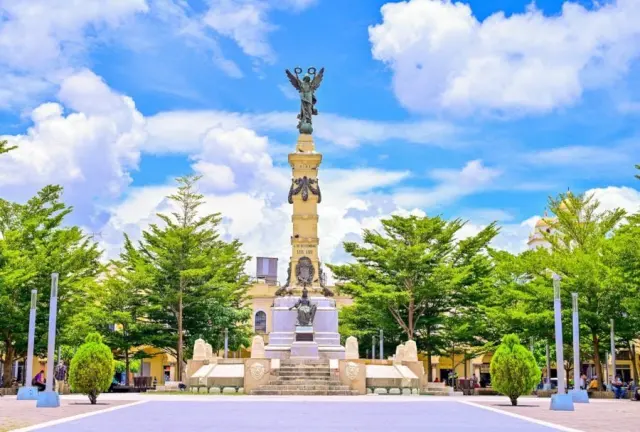
Beyond the party, San Miguel rewards a longer stay. The Cathedral Basilica of Queen of Peace anchors the central plaza, the Chaparrastique volcano looms nearby (check current access advisories before hiking), and El Cuco Beach on the Pacific coast makes an easy add-on — conveniently, it's also where the closing beach carnival happens.
For travellers, this is a chance to see a major Salvadoran tradition that hasn't been sanded down for tourists: the Carnivalitos in particular are community events where you'll be celebrating mostly alongside locals. If Latin American street festivals are your thing, late November in San Miguel deserves a spot on the calendar.