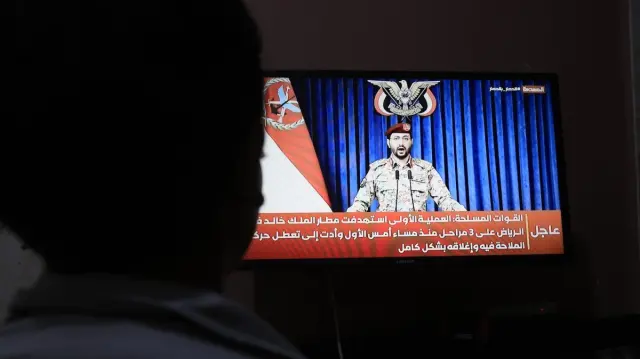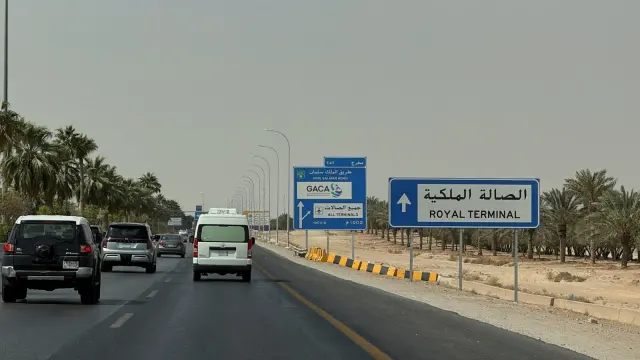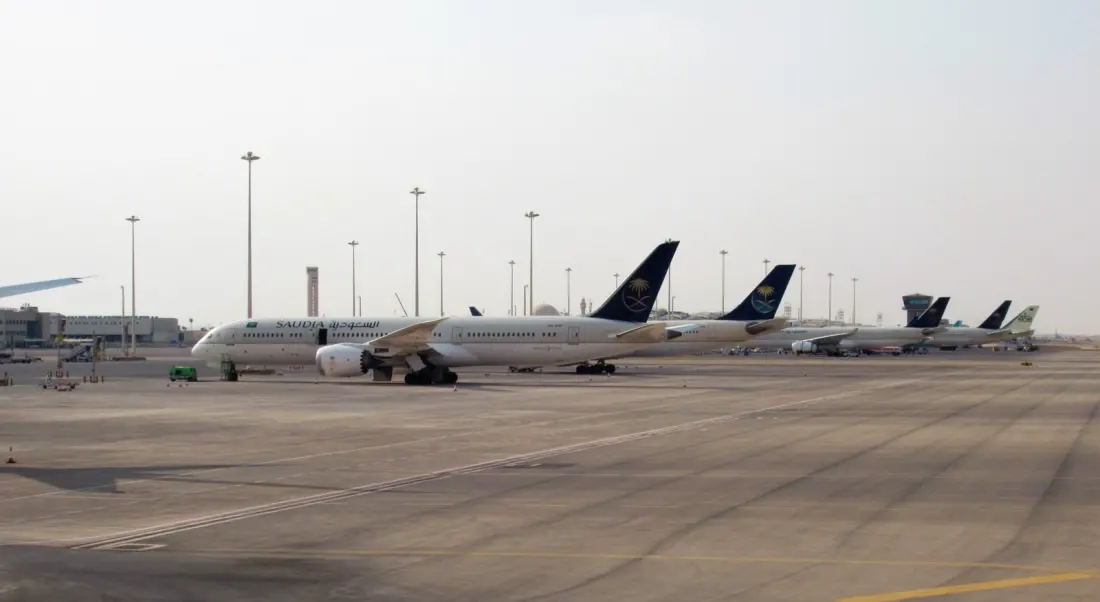
Riyadh's King Khalid International Airport has been hit by four attacks in under a week, claimed by Yemen's Iran-aligned Houthis, and the fallout is rippling through global aviation. The airport's operations have been temporarily suspended, with all flights to Riyadh cancelled or diverted while authorities assess the security situation.
The response from airlines has been swift and sweeping. Lufthansa Group was among the first to act, grounding its Riyadh routes from 8 to 16 October 2026. India's carriers moved quickly too: IndiGo plans to resume flying once the airport reopens, while Air India and Akasa Air have suspended services until 14 and 13 October respectively. Akasa Air, which flies to both Riyadh and Jeddah, is offering affected passengers a full refund within seven days or free rebooking.
European airlines followed an updated advisory from the EU aviation safety regulator EASA, published on 9 October, which flagged the risks of recurrent missile and drone attacks, air-defence activations, and the danger of civil aircraft being misidentified. The flight operations network OPSGROUP went further, issuing a 'do not fly' warning that recommends avoiding Saudi Arabia entirely — including using Saudi airports as en-route alternates.
The list of suspended routes keeps growing. Air France has cancelled Riyadh flights until 24 October, British Airways until 3 November, and KLM until 24 October. Longer suspensions are on the table too: Cathay Pacific has pulled its Riyadh passenger flights until 31 January, and Singapore Airlines has scheduled no non-stop services until 28 March 2027. Several other carriers say they will resume once the airport reopens, while US airlines are being told simply to exercise caution when overflying the country.
Governments are steering their citizens away as well. The UK, US, Australia, Germany and Canada have all updated their travel advice following the attacks, and the Houthis themselves have publicly warned against travel to Saudi Arabia. This is being described as the deadliest attack in the country in over a decade, so expect advisories to tighten rather than ease in the short term.
For anyone with a trip to Riyadh — or a connection through it — booked in the coming weeks, the practical picture is this: assume your flight may not operate, check directly with your airline rather than the airport, and know that carriers like Akasa are processing refunds or free date changes. If you booked through a travel agent or third-party site, you'll need to go through them. Given suspensions stretching into late 2026 and early 2027 for some airlines, rebooking is likely safer than waiting for a refund-and-rebook cycle. travellers with flexible plans may want to reroute through other Gulf hubs, though the wider regional security picture is worth watching before committing. We'll update as the situation develops. — Travel Tomorrow