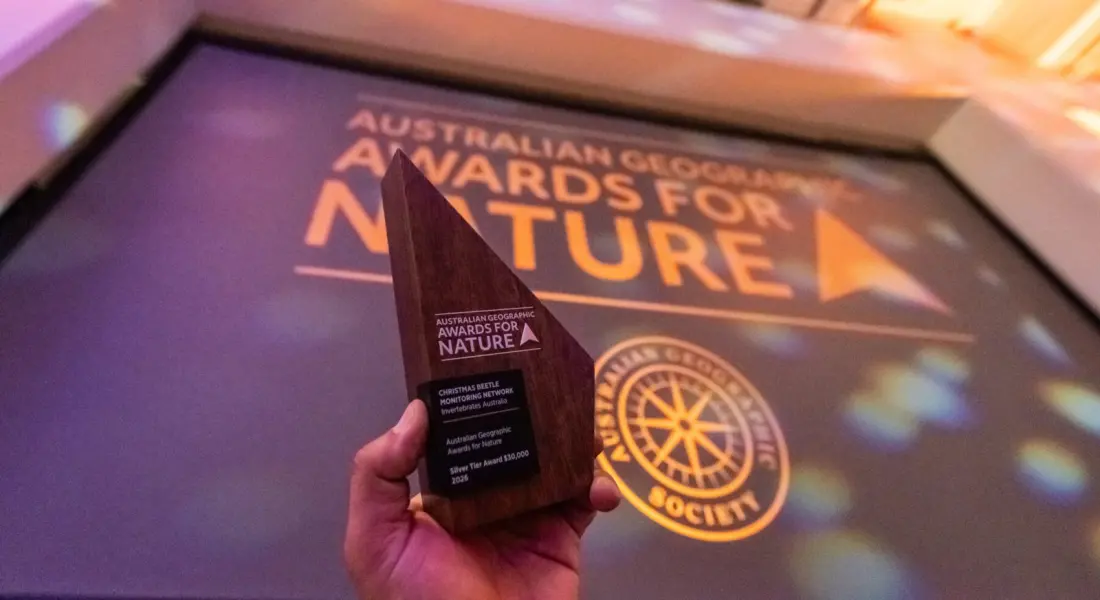
Seeds, beetles and seaweed don't usually grab headlines, but they're the stars of this year's Australian Geographic Awards for Nature. The five winners, announced at a September presentation night, share $110,000 in funding and one common thread: they rebuild the unglamorous foundations that keep whole ecosystems alive.
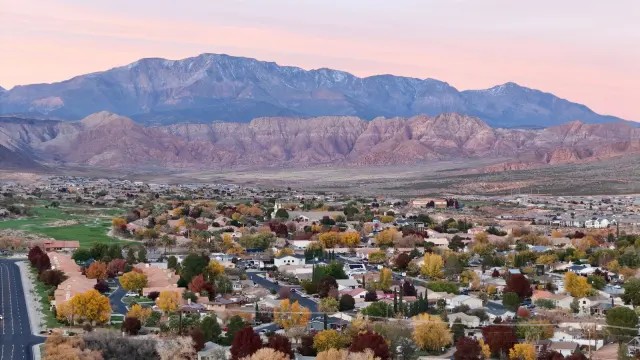
The Gold Tier award of $50,000 goes to SeedReady Communities, led by Dr Kathryn Eyles of the Australian Seed Bank Partnership. Across six strikingly different regions — from WA's banksia woodlands and the Fleurieu Peninsula swamps to the Newnes Plateau, Arnhem Plateau saltmarsh and the MacDonnell Ranges — teams will collect seed from at least 31 threatened plant species over two years. The clever part isn't just storing seed; it's running germination trials to work out how to wake each one up, then publishing those protocols free via the Australian Virtual Seed Bank. Landcare groups, First Nations organisations and youth groups are all involved, and the project is designed as a repeatable national model.
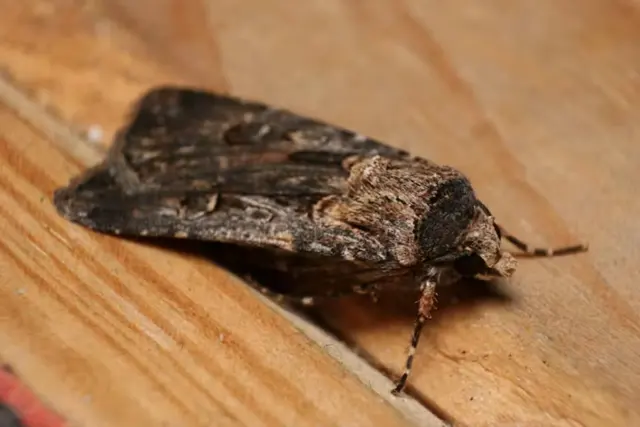
Two Silver Tier awards of $30,000 each go to equally grassroots efforts. The Christmas Beetle Monitoring Network, run by Invertebrates Australia, grew out of a citizen-science boom: since 2021 nearly 11,000 Australians have logged more than 25,000 beetle sightings, rediscovering nine species not seen for decades and possibly finding a brand-new one. The bad news — 11 of Australia's 44 known species may qualify as threatened, and four may already be extinct. The new funding sets up five-year monitoring hubs in Brisbane, Far North Queensland, Canberra, the Sydney Basin and Darwin, with trained volunteers using standardised light traps to build data that could win legal protection for at-risk species.
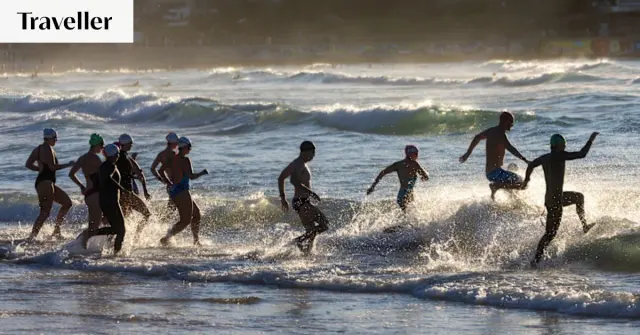
The other Silver award funds Operation Crayweed, a UNSW Sydney project restoring an underwater forest that vanished from Sydney's metropolitan reefs in the 1980s after decades of poor water quality. Crayweed, a large brown seaweed that shelters reef fish, abalone and crayfish, can't easily recolonise on its own — its offspring settle just centimetres from their parents. So divers transplant healthy adults from outside the city onto temporary reef mats, letting them reproduce in place. It's patient, hands-on restoration, done plant by plant.
Since launching in 2024, the Awards for Nature have put $400,000 into nature repair, with 106 expressions of interest received this year alone. For travellers, the takeaway is real: the landscapes you visit are being actively mended by volunteers and scientists, and many of these projects welcome public participation. You can photograph a Christmas beetle for iNaturalist, join a Landcare seed-collecting day, or dive Sydney's recovering reefs and see the restoration work firsthand. Conservation here isn't a spectator sport — the door's open.