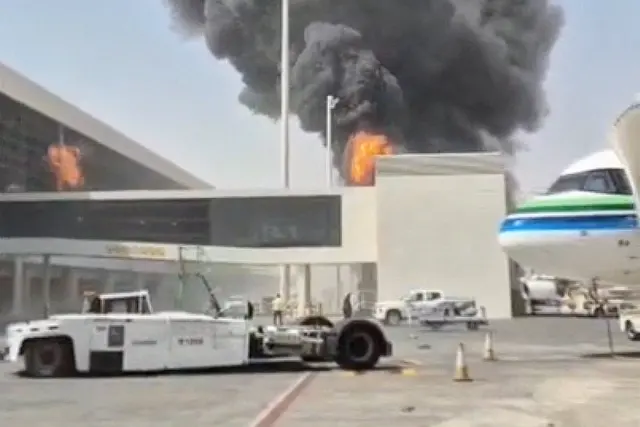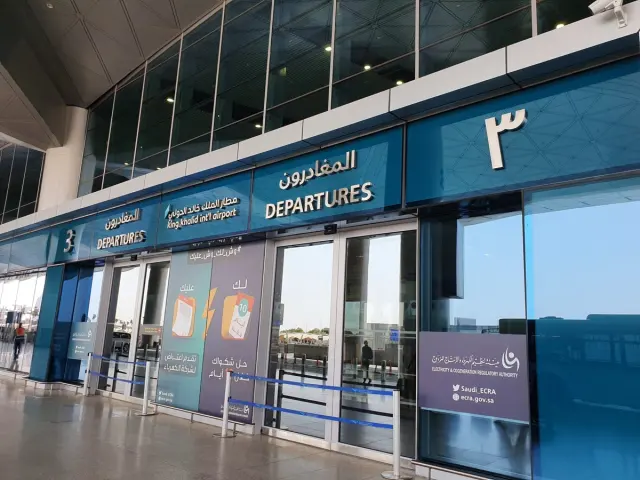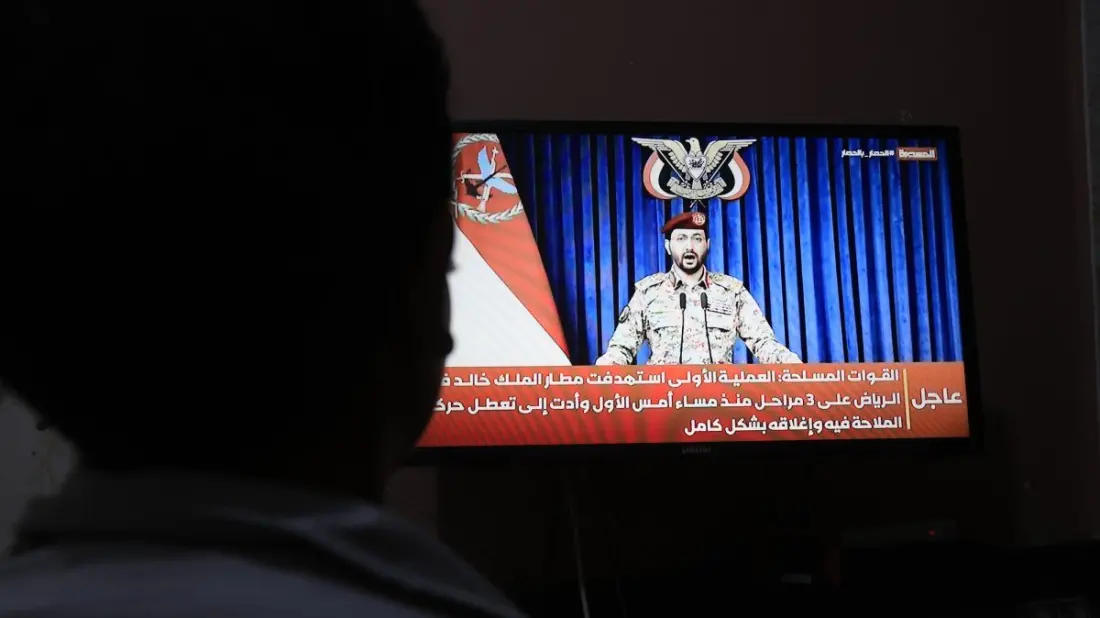
Saudi Arabia's civil aviation hub has become a frontline target. On Monday evening, the Houthi movement claimed it fired a ballistic missile at King Khalid International Airport in Riyadh, along with a drone strike on Khamis Mushait air base in the country's south. The Saudi-led coalition said it intercepted and destroyed the missile aimed at the capital, and Riyadh's civil defence agency briefly issued an early warning before declaring the danger passed.
These are not isolated incidents. Attacks on Saudi airports and civilian facilities have been escalating in recent days, and explosions reported across Riyadh on Monday night brought the death toll from the airport strikes to at least 18 people. Houthi spokesperson Yahya Saree used the announcement to renew a direct warning to airlines, airport staff and passengers that Saudi airports and airspace are "unsafe" — though he singled out the airports and airspace around Mecca and Medina as exempt from the threat.
Saudi officials are projecting calm. Information Minister Salman Al-Dosari told a press conference in Riyadh that "life in the kingdom continues normally," framing the state's increased readiness as preparation rather than anxiety. The World Petroleum Congress, hosted by Saudi Arabia for the first time, opened as scheduled on Sunday with wide international participation — though some energy executives have pulled out following the deadly attacks. The event runs through Thursday.
There are economic ripples too: oil prices climbed on Monday as the strikes added to concerns about tight global supply heading into the northern hemisphere winter.
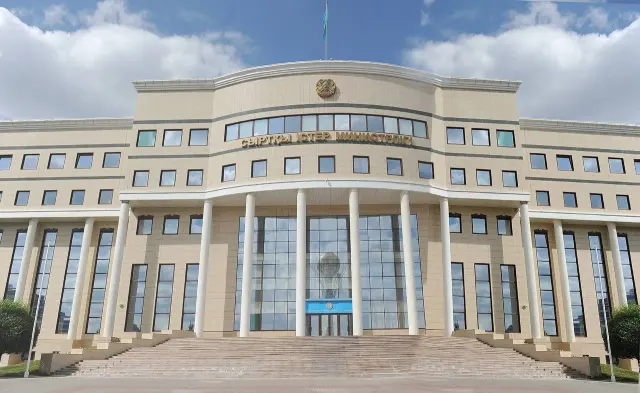
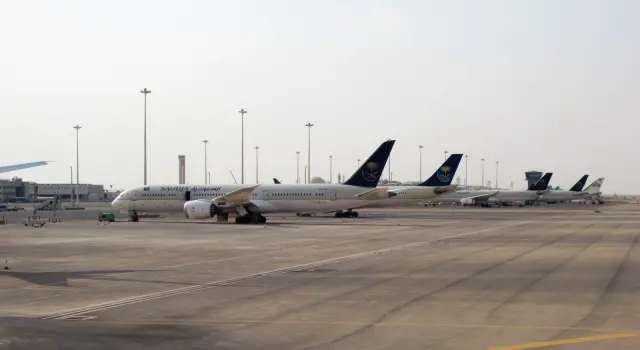
Why it matters for travellers: if you have flights booked to or through Saudi Arabia, check your route carefully. Riyadh's King Khalid is a major connecting hub, and several international carriers route through Saudi airspace between Europe, Asia and the Gulf. A formal warning against using the country's airports and airspace raises the real possibility of cancellations, rerouting or airspace closures at short notice. Anyone travelling in the region should monitor their airline's alerts and their foreign ministry's travel advisories, and consider flexible or refundable bookings while the situation is fluid. Note the Houthis' stated carve-out for Mecca and Medina — though travellers should treat official government guidance, not militant statements, as the basis for any decisions.
This is a developing security situation, and the practical picture for passengers could change quickly in either direction. For now, the advice is caution: confirm itineraries directly with carriers, avoid transiting affected airports unless the route is essential, and keep an eye on both coalition statements and airline updates before flying.