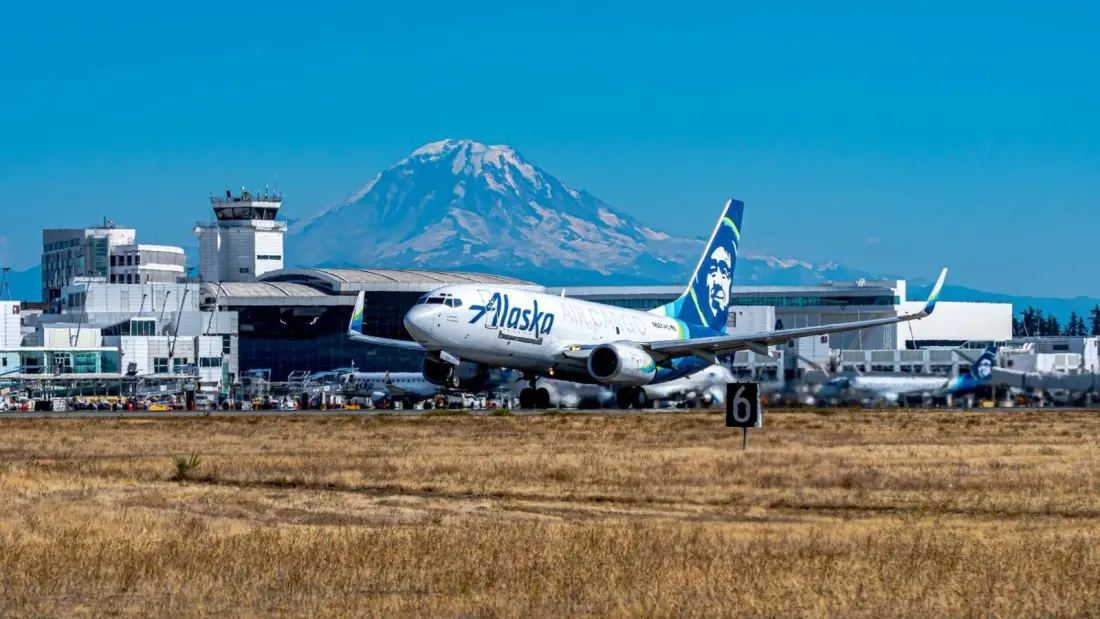
Alaska Airlines will retire its passenger Boeing 737-700 fleet by 2027, swapping the smaller jet for the 737-800 across its network. The move may sound like routine fleet housekeeping, but in a state where many towns have no road connection to the outside world, the size of the aircraft on your flight matters — to residents, freight shippers and travellers alike.
The numbers explain the switch. In Alaska Airlines' configuration, a 737-700 seats 124 passengers; a 737-800 seats 161. That's 37 extra people per departure, plus roughly 50% more room in the lower-deck cargo hold. The -800 is also nearly 20 feet longer, and the aircraft in Alaska's fleet are notably younger — an average of 18.5 years old versus 26.3 years for the -700s — with faster onboard Wi-Fi as a bonus.
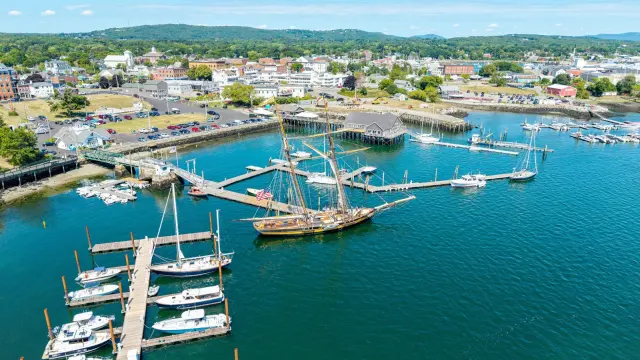
The route where this will be felt most is the famously scenic "milk run", the multi-hop service from Seattle-Tacoma that stops at Ketchikan, Wrangell and Petersburg before reaching Juneau and continuing to Anchorage. It's one of the last true multi-stop scheduled services in the US, and for communities along it, the plane isn't just a ride — it's a lifeline for mail, groceries, medical supplies and, crucially for Alaska's economy, seafood. Extra belly space means more salmon and other perishables can fly out on flights that already exist, without adding departures.
The larger jets also fit the reality of operating in Southeast Alaska, where mountains, fjords and the absence of a connected highway system make flying the only practical year-round link between many towns. When there's no alternative to the aircraft, a 37-seat bump per flight is genuinely significant for both locals and visitors.
For travellers, the practical upshot: if you've been eyeing the milk run as a bucket-list flight — and it is one of aviation's great journeys, skimming over the Inside Passage — expect slightly bigger planes, more available seats and better internet on board over the next couple of years. Photographers and aviation fans who want the classic smaller-jet experience have a shrinking window before 2027. Between the stops, the route doubles as one of the most affordable scenic flights in North America, passing glaciers and islands that would otherwise require a cruise ship or a floatplane charter to see.
The transition also reflects a broader truth about flying in remote regions: aircraft selection is driven as much by freight and community need as by passenger counts. Alaska Airlines is keeping the same familiar 737 narrowbody platform, just in a longer frame — a low-risk way to add capacity without changing the schedule structure that these communities depend on. If you're planning an Alaska trip that combines Seattle, the Inside Passage towns and Anchorage, the milk run remains one of the smartest ways to do it, and from 2027 it'll carry a bit more of the state with it.