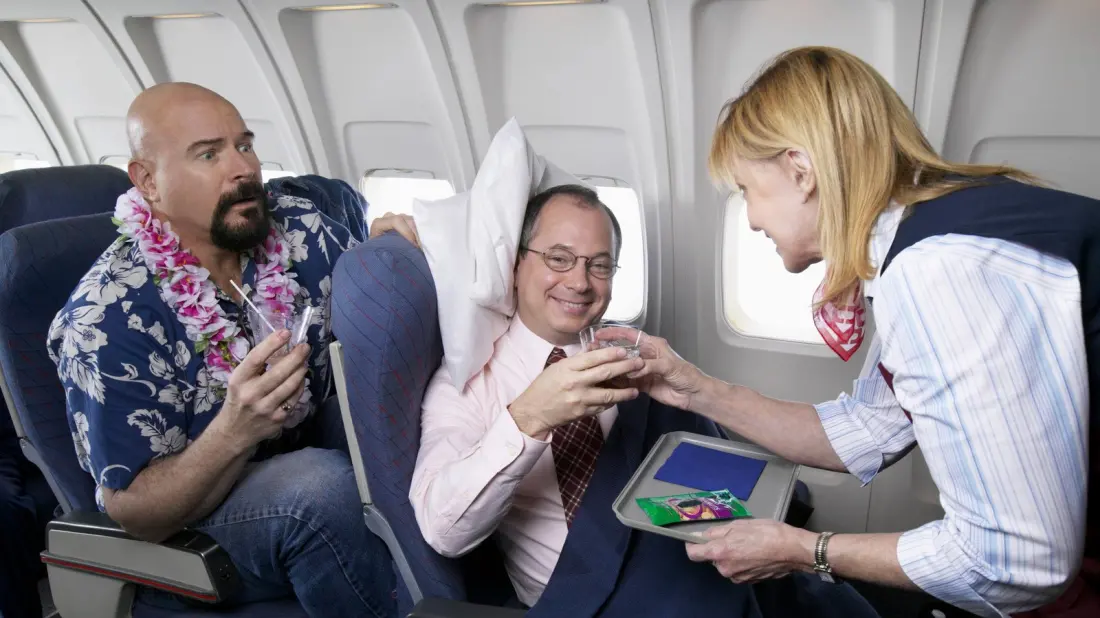
Ask a flight attendant what grates on them most at work and you might expect the usual suspects: drunk passengers, reclined-seat wars, people who ignore the seatbelt sign. But according to a former US airline crew member writing for Explore, one of the biggest offenders is surprisingly small — passengers who use nicknames like "honey," "sweetheart," "dear" or "babe" when addressing crew.
The reasoning is less about thin skin and more about context. Flight attendants are safety professionals first: they complete weeks of full-time training before their first flight, learn to fight onboard fires, administer emergency medical care, and evacuate a full aircraft in 90 seconds or less, then refresh those skills annually. Being called "sugar" by a stranger reduces a trained safety professional to a serving stereotype — the person who exists to hand out pretzels and Coke. The former crew member draws a useful comparison: you wouldn't call your boss "darling" or your mechanic "sugar," and the same social logic applies at 35,000 feet.
There is some nuance, though. A warm "thank you, dear" from an elderly grandmother is unlikely to offend anyone; the same word from a peer-age traveller can read as condescending or overly familiar. Flight attendants tend to read intent and tone, but the safest move is simply not to reach for terms of endearment at all.
So what should you say? The advice is refreshingly simple. If you need attention mid-flight, just speak up — "excuse me, flight attendant" is entirely appropriate, and cabins are loud enough that a soft-spoken request often goes unheard, so don't be shy about repeating yourself a little louder. Crew members wear name badges and wings showing their first names, so using their actual name is another easy, respectful option.
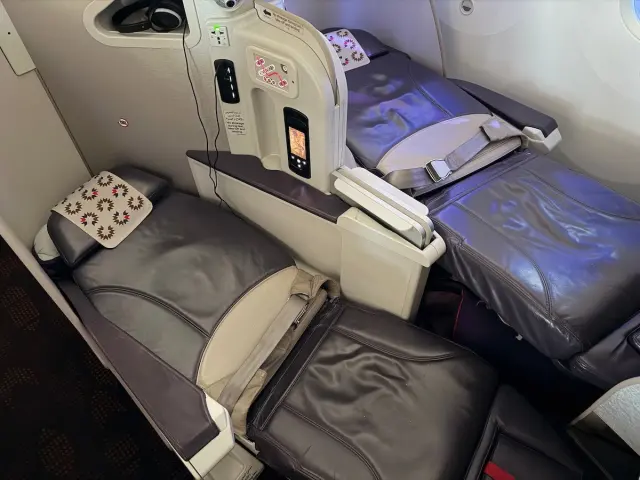
One habit to avoid entirely: touching or grabbing a crew member to get their attention. Nobody enjoys being poked at work, and it's one of the behaviours crew consistently cite as irritating. If you can't catch anyone's eye, the call button above your seat exists for exactly this purpose. It's not reserved for emergencies — but it's also not a bell to ring on a whim. If your request can wait a few minutes, a crew member will almost certainly pass through the aisle soon anyway.
It's worth keeping in mind that flight attendants genuinely want to help. Their job is to keep you safe, but making you comfortable and answering your questions is part of it too. The etiquette takeaway for travellers is light-effort politeness: be direct, be courteous, skip the pet names, don't grab anyone, and use the call button sparingly. In return you'll likely get quicker service and a friendlier interaction — and you'll be treating the person in the aisle as the trained professional they are rather than a character from a movie.