A pricing glitch in American Airlines' multi-city booking tool briefly priced long-haul award tickets at the mileage cost of just the first segment — and the fallout is now a formal complaint with the US Department of Transportation.
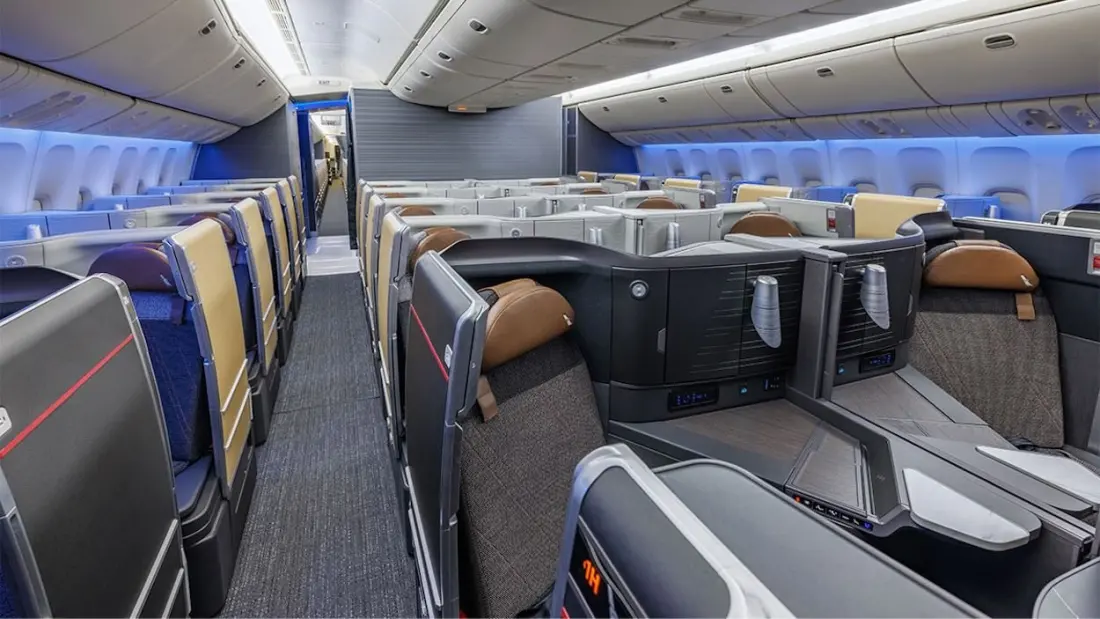
Gary Leff of View From The Wing was among those who booked during the error. His family trips to Australia cost 24,500 miles per person outbound and 10,000 returning, with business class across the Pacific. An Italy itinerary came in at 12,500 miles each way with transatlantic business class, and a solo New York booking included American's A321T Flagship First Class cabin. Leff admits he knew the pricing was too good to be true — but the low totals appeared on the final payment page, and American issued the tickets.
The airline spotted the problem within two days. Yet it waited nearly three weeks after booking to cancel them. That timing matters, because American's own conditions of carriage say that when it cancels tickets sold at a mistaken fare, it must void the ticket, refund in full and notify the passenger within 72 hours of learning about the mistake. Its international tariff carries the same 72-hour notification deadline.
American's defence leans on its AAdvantage programme rules, which let it revoke benefits issued in error — and call the bargain a "windfall" passengers aren't entitled to keep. The counter-argument, laid out by Live and Let's Fly, is that those same AAdvantage terms make award travel subject to the operating airline's contract of carriage and tariffs, and that product-specific agreements override general programme language. Read that way, American can correct mistakes, but it has to follow its own published procedure for doing so. If a blanket right to revoke benefits trumps every limit on using it, the 72-hour promise is meaningless.
There's also the DOT angle. Since 2015, regulators have allowed airlines to cancel obvious error fares — but with conditions, including prompt refunds and reimbursement of reasonable, verifiable expenses passengers incurred in reliance on the purchase. Leff, who knew the price was a mistake and booked anyway, won't win much sympathy on the merits. But airlines expect passengers to meet ticketing deadlines with harsh consequences for missing them; it's a hard sell that deadlines become optional when the airline is the one that missed it.
For travellers, the practical takeaway is caution on both sides. Error fares and award glitches do occasionally get honoured, but American-priced deals that look wildly wrong usually aren't safe to build plans around. If you do snag one, book refundable hotels, avoid non-refundable add-ons, and screenshot everything — and if a ticket is cancelled, check the airline's own contract of carriage for the notice and refund windows it promised, since that's exactly the paper trail a DOT complaint will turn on.