Malta packs a punch for its size. This small archipelago south of Sicily holds around 7,000 years of human history, and its headline act is a series of stone temples built roughly 5,500 years ago — older than Egypt's pyramids and older than Stonehenge. For anyone who thought ancient wonders required a long-haul flight, these megalithic sites sit a short hop from anywhere in Europe.
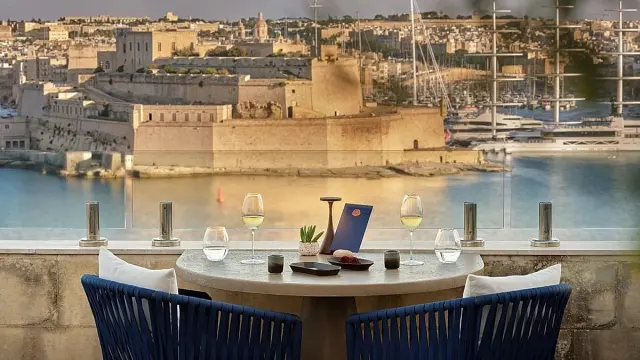
The capital, Valletta, is the first stop for most visitors. Built by the Knights of St John in the 16th century, it's a golden-honey fortress city of stepped streets, baroque churches and sea-facing bastions, with the blue water of two natural harbours on either side. It's compact enough to cover on foot in a day or two, with plenty of cafés and restaurants to slow you down.
Across the channel lies Gozo, Malta's greener, quieter sister island. Its centrepiece is the Citadel, a fortified hilltop town in Victoria (Rabat) with views across the whole island. Gozo moves at a gentler pace — fishing villages, dive sites and rural walks — and pairs well with a few days in Valletta.
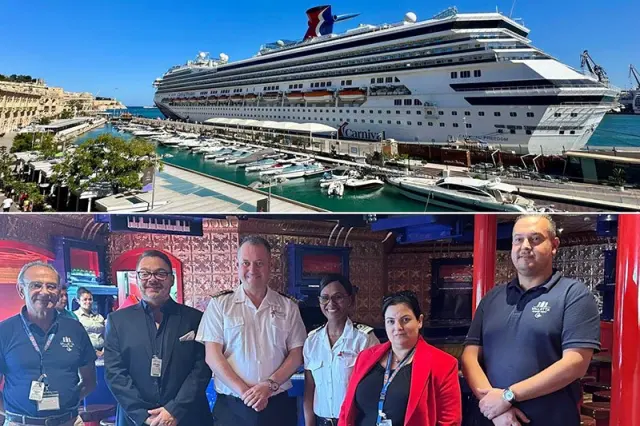
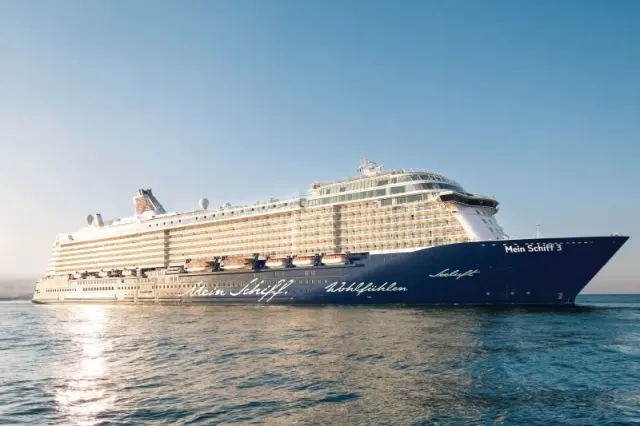
Beyond the history, Malta sells itself on the sea. The water is famously clear, swimming and diving run from spring well into autumn, and the food leans Italian-Mediterranean with its own twists. English is an official language alongside Maltese, the currency is the euro, and the islands sit squarely on the Mediterranean cruise circuit, so they work both as a fly-and-stay holiday and as a port stop.
Why it matters: Malta suits a wide range of travellers — history buffs chasing prehistoric temples, divers and beach-goers after warm clear water, and short-break travellers who want culture and coastline within walking distance of each other. It's compact, affordable to reach from most of Europe, and easy to combine with a cruise. Three or four days is enough for Valletta and the main sights; a week lets you add Gozo properly.