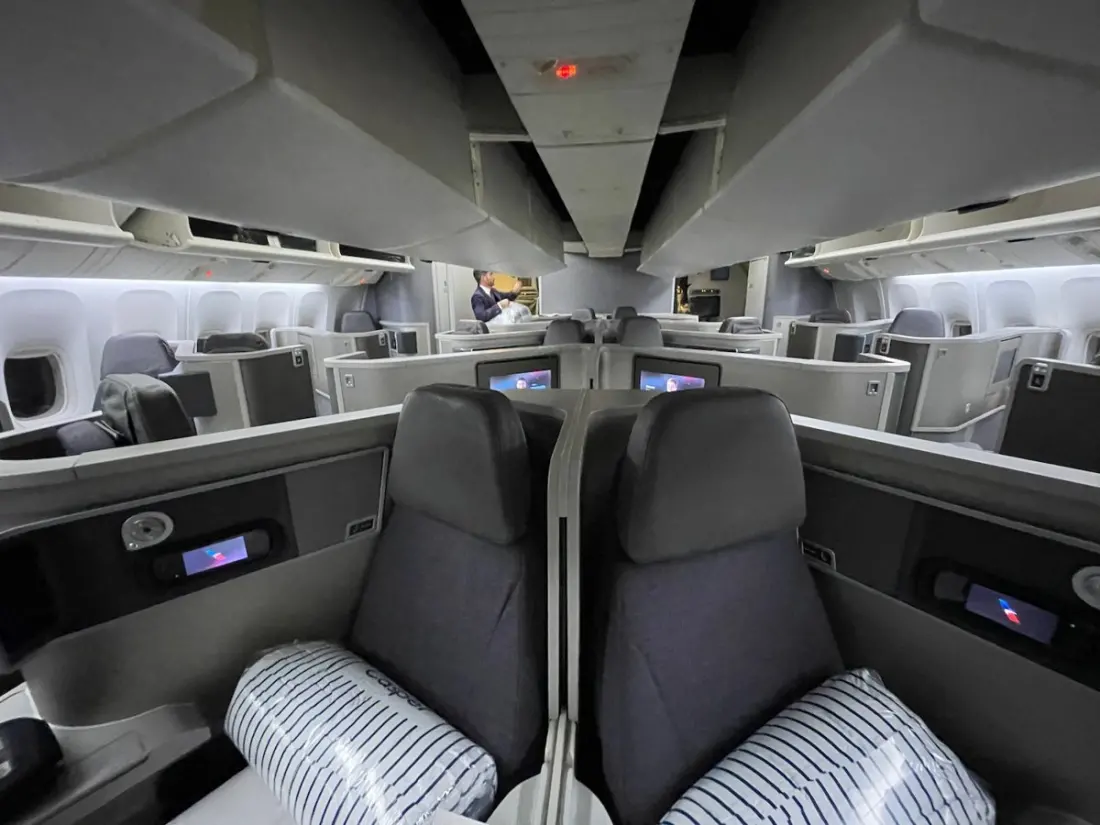
Steven and Pamela Taylor paid $8,166 for a business class trip from Nashville to Edinburgh, connecting through Charlotte and London. When delays wrecked the original routing, American Airlines rerouted them via Boston and shipped them across the Atlantic in British Airways premium economy — then spent the following months resisting their attempts to recover the fare difference.
The offers AA made along the way tell the story. First came $493.98 per person in expiring trip credits, issued only after repeated refund requests. The couple sued, received $1,175.20 before trial, and eventually won a judgment of $7,158.98 — a figure AA is now appealing. The airline's defence hinges on the Montreal Convention, which governs liability on international itineraries, and on its own internal fare maths, which it says would show the downgrade was worth little even if it recalculated. The Taylors have also taken their case to the U.S. Department of Transportation.
The core problem is that passengers can't verify what a downgrade is worth. On a complex connecting ticket, the airline assigns a value to the affected segment and compares fares using methods the customer never sees. Did the traveller buy months in advance at a discount? Would the lower cabin have cost far less on that route that day? Passengers can't check any of it from their booking confirmation, and AA has recently altered its downgrade refund approach without making it much clearer.
The contrast with Israeli carrier Arkia is instructive. A reader who paid about $4,300 for a round-trip business ticket was moved to economy for an 11-hour flight from Tel Aviv to New York. Arkia reached out before departure, promised a full refund for the downgraded leg, threw in a complimentary future business class round trip, and kept whatever business class perks it could — lounge access and onboard service included. No lie-flat seat, but an honest reckoning offered unprompted. The passenger says he'd fly the airline again.
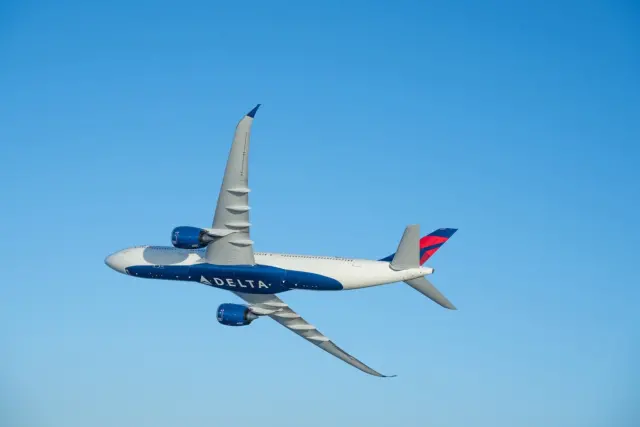
US travellers should know that the Department of Transportation's position is clear on principle: if you accept an involuntary downgrade and fly anyway, you're owed the fare difference. The fight is over how that difference is calculated, and right now the airline controls the numbers. That's why one traveller profiled in the same report — booked into an $8,000 AA business seat that was cancelled after a mechanical delay and silently rebooked in premium economy to Buenos Aires — was simply rebooked on Delta instead. Why wait weeks for a payout you can't audit?
Anyone booking premium cabins on long-haul US carriers should screenshot their fare, know their DOT rights, and push back hard if a downgrade lands without a transparent, itemised refund. Airlines selling more premium seats than ever shouldn't be able to pocket the gap when they don't deliver.
Credit: Live and Let's Fly