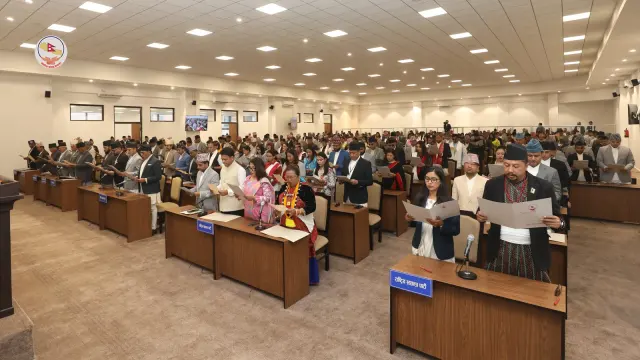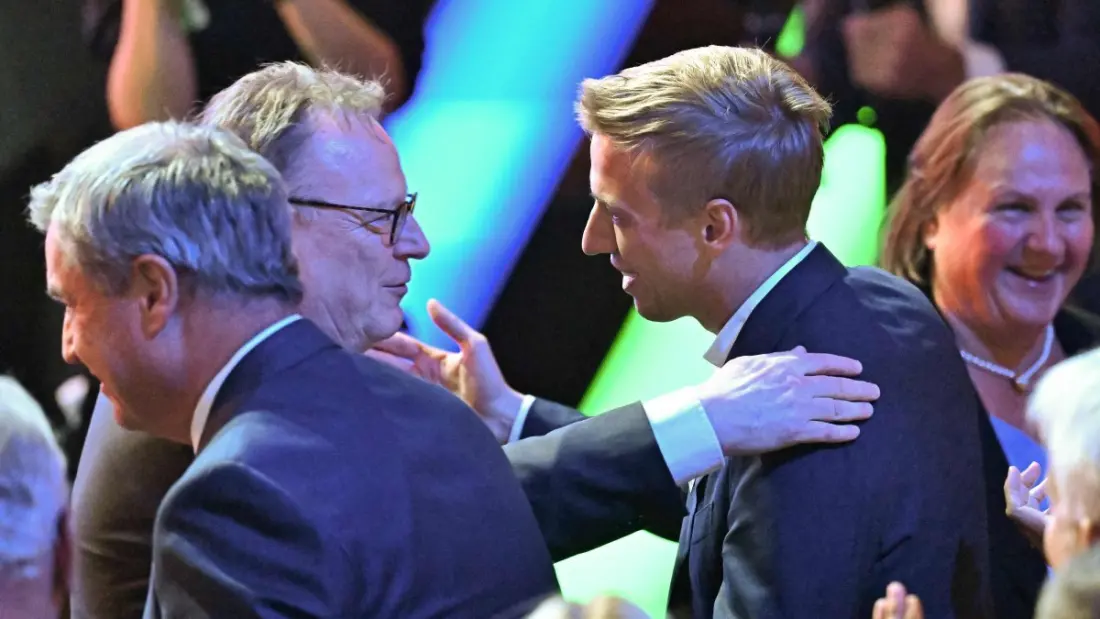
Munich is getting another shot at the Olympic rings, more than half a century after it last staged the Summer Games. The German Olympic Sports Confederation (DOSB) voted on a Saturday in late September to name the Bavarian capital as the country's candidate city for the 2036, 2040 or 2044 Games — whichever edition Germany ultimately pursues. President Frank-Walter Steinmeier delivered the news at the DOSB general assembly, having earlier argued that a united 'Team Germany' bid would give the country a real chance of winning. Munich beat out Cologne-Rhine-Ruhr, while Berlin pulled out of the race just two days before the vote after local elections.
If Munich succeeds, it would be the first time Germany hosts a Summer Olympics since 1972, when the Munich Games were overshadowed by the hostage-taking of the Israeli team by the Black September group. Eleven Israelis, a German police officer and five gunmen died in the standoff at the Olympic Village and the Fürstenfeldbruck airfield. The 1972 Olympic Park is central to the new bid, and residents have so far backed the plan — notable in a country where previous Olympic dreams have repeatedly died in local referendums over cost and scale. Hamburg's 2024 bid collapsed that way, and Munich lost its own 2018 Winter Games bid to Pyeongchang.
Winning will not be easy. The International Olympic Committee says more than ten cities or countries are interested in the 2036 edition alone, including India, Indonesia, South Africa, Saudi Arabia, Doha, Türkiye and Santiago, Chile. The calendar is already locked through the early 2030s: Los Angeles hosts in 2028, Brisbane in 2032. Under the IOC's current dialogue-based process, there is no fixed date for a decision, though the Games are traditionally awarded about seven years ahead — meaning a 2036 verdict could arrive sooner than you'd think.
For travellers, Munich is already one of Europe's most complete city breaks, Olympics or no Olympics. The 1972 Olympic Park remains a working landmark: you can tour the Olympia-Stadion, ride the Olympic Tower for alpine views, and even zipline off the stadium roof. A successful bid would trigger a decade of infrastructure upgrades — new venues, expanded transit, hotel investment — plus the buzz of tens of millions in event spending. And a 2036 Games would carry heavy symbolism, with Germany widely expected to frame it around remembrance of 1972 and the murdered Israeli athletes.
Who should care: anyone eyeing Munich in the 2030s, sports fans who plan trips around major events, and travellers who like to watch a destination transform. If Germany lands the Games, early bookers will have years of lead time — rare in big-event travel. Until then, the beer gardens, the Alps an hour south, and that iconic tented roof over the Olympiahalle are reasons enough to go.