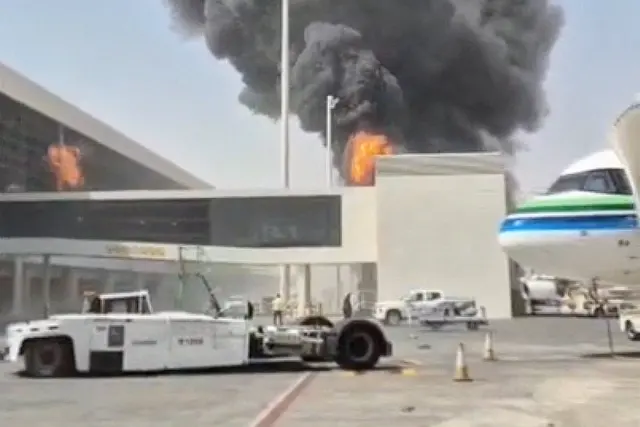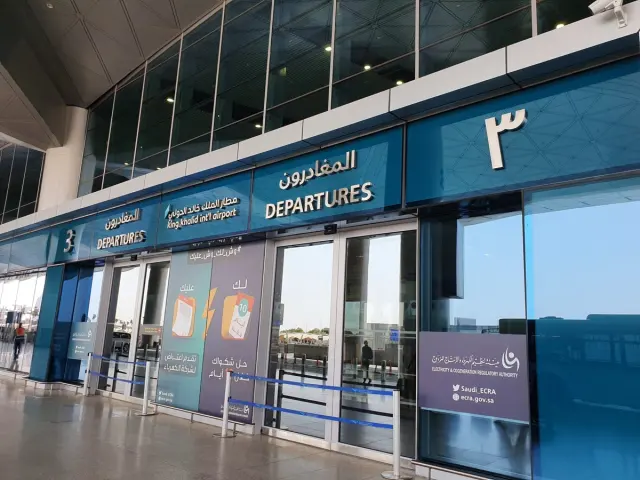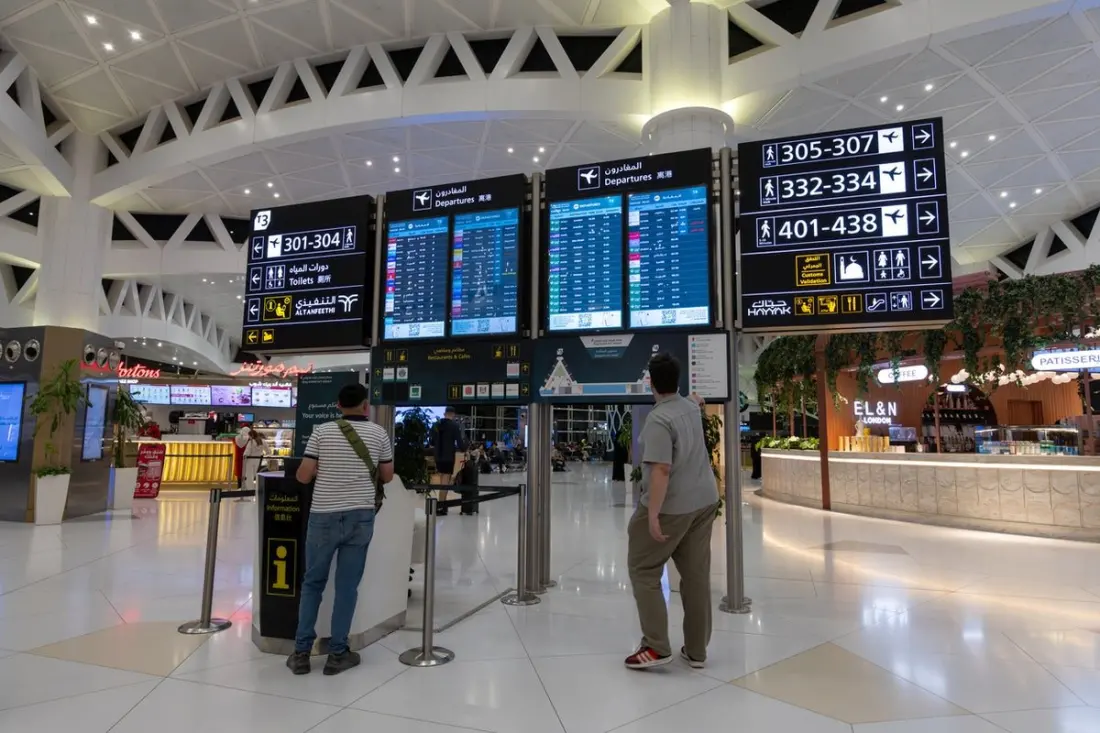
King Khalid International airport in Riyadh, Saudi Arabia's second-busiest airport after Jeddah, is closed until Saturday 17 October after a Houthi missile strike killed at least 13 people and injured around 300. It is the deadliest attack on the kingdom in over a decade, and the fallout is rippling through flight schedules across the region.
The Saudi General Authority of Civil Aviation has suspended all operations at the airport while it completes safety checks on facilities. The disruption is substantial: Flightradar24 counted at least 572 cancelled flights out of Riyadh on Tuesday alone.
Airlines are pulling out in waves. Lufthansa Group has paused Riyadh flights until Friday 16 October, while Gulf carriers Emirates, Etihad, Qatar Airways, Air Arabia and flydubai have all temporarily cancelled services to the capital. Air France KLM has gone further, extending its suspension to the end of October.
The broader picture remains unsettled. Saudi Arabia has threatened a strong response as drone and missile exchanges with the Iran-aligned Houthis continue. Europe's aviation safety body EASA has an active notice warning that Saudi airspace is highly volatile, noting that recent attacks show the Houthis can reach deep into the country, including Riyadh, Tabuk, Medina and Yanbu.
For British travellers, the Foreign Office now advises against all but essential travel to Saudi airports — Medina airport is the exception — and suggests British nationals leave the country by land if it is safe to do so.
If you have a trip to Saudi Arabia booked in the coming weeks, check directly with your airline before travelling to the airport; rebooking or refund windows are opening as cancellations stack up. Travellers with flexible plans may want to hold off on trips to the capital until the security situation and flight schedules stabilise. Anyone already in the country should monitor FCDO updates closely.