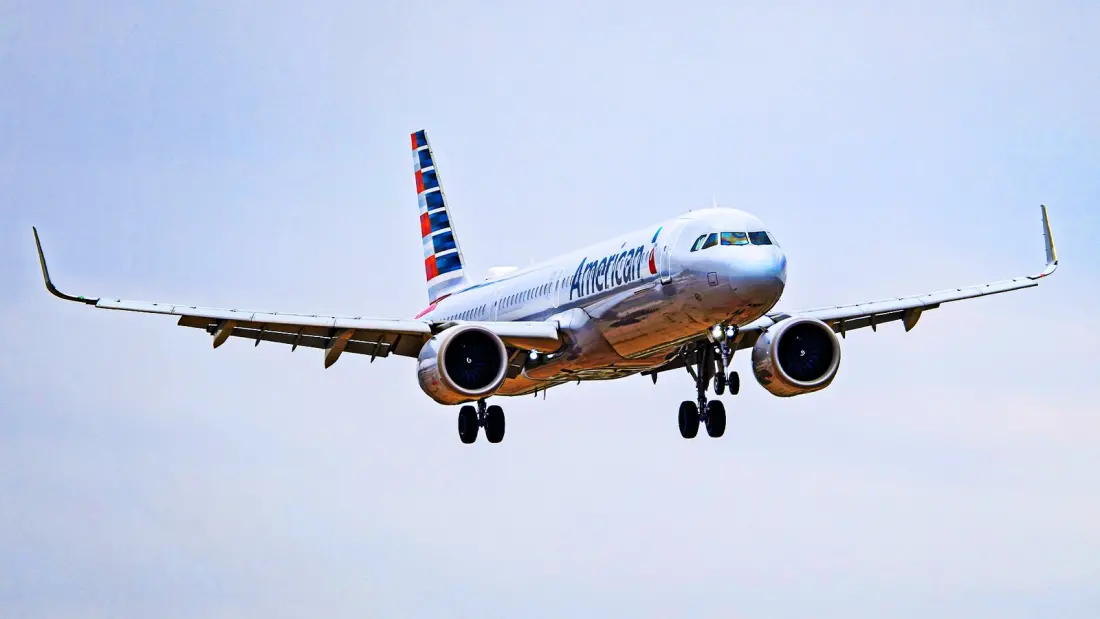
Ten of American Airlines' Airbus A321neos aren't quite like the rest — and if you've ever paid extra for an exit-row seat, that quirk could catch you out.
These aircraft started life with Virgin America, which was the launch customer for the A321neo worldwide. The very first example was handed over in Hamburg in April 2017, powered by CFM LEAP-1A engines and promising at least 15% fuel savings over the previous generation. Virgin's debut service was set for May 31, 2017, between San Francisco and Washington National. But Virgin had already agreed to be bought by Alaska Air Group in 2016, and the merger closed that December — so the jets passed to Alaska before finding their way to American, where they now operate alongside the rest of the A321neo fleet.
Here's the technical catch: these ten airframes were built before Airbus introduced its "Cabin Flex" door layout, which repositions emergency exits to squeeze in more seats. The older design means American can never match its standard A321neo configuration on these jets. The standard aircraft carry 196 passengers — 20 first class, 176 in the main cabin — while the ex-Alaska ten top out at 190 seats with only 170 in economy.
When the jets entered American service from Miami in spring 2024, they initially kept their Alaska interiors: 190 seats with just 16 first class. American has since refitted them through its Oasis program, starting with N950XV in San Antonio, bringing first-class capacity up to 20. But the door positions are structural — no refurbishment can add the six missing economy seats.
For travellers, the practical wrinkle is seat selection. American uses one fleet code for both versions, so you won't know which you're on until the seat map appears. Exit rows sit at rows 17 and 27 on the standard jets, but rows 11 and 24 on the ex-Alaska ones. Pick an "exit row" seat assuming the usual layout, and you could end up in a standard seat near the lavatories — annoying if you've paid a premium for legroom. Some rows even have narrower seats or missing positions. One workaround: the inherited jets carry registrations N950XV through N959XV.
It's a nice piece of aviation history hiding in plain sight — the world's first A321neo lineage still flying domestic US routes — but it's also a reminder to check the actual seat map rather than trusting row numbers from memory.