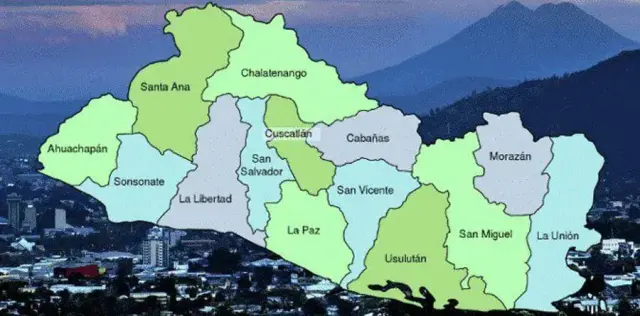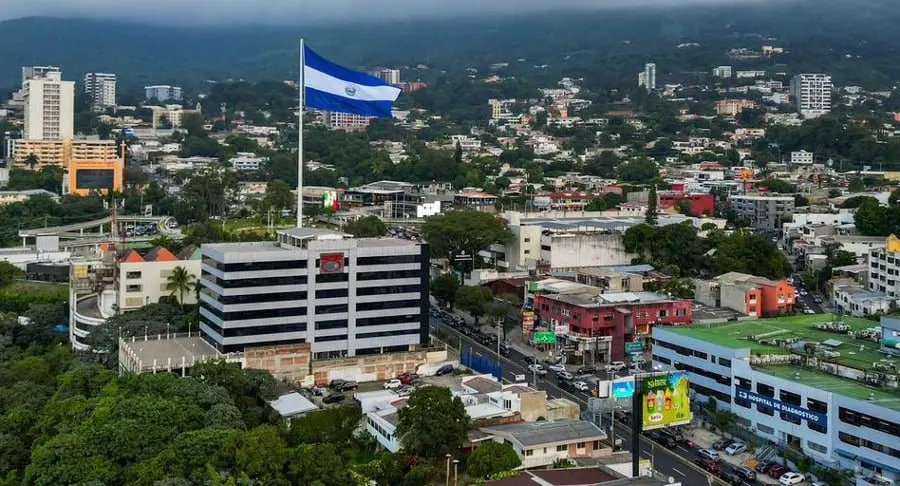
A country that once recorded more than 100 murders per 100,000 people now logs fewer than any other in the Americas. El Salvador's 2025 figures, published in January 2026, show just 82 intentional killings nationwide — a rate of 1.3 per 100,000. For travellers who wrote the country off years ago, the transformation is hard to overstate.
The turnaround traces back to President Nayib Bukele, who took office in 2019 and made security the centrepiece of his government. His Territorial Control Plan flooded gang neighbourhoods with police and soldiers, and homicides fell from roughly 36 per 100,000 in 2019 to 17.6 by 2021. The decisive moment came in March 2022, after a three-day surge of gang violence killed 87 people. The Legislative Assembly approved a state of exception — expanded police powers, suspended constitutional protections, and mass arrests. Tens of thousands of suspected gang members were detained, and the two dominant groups, MS-13 and Barrio 18, all but vanished from public life.
The context matters for understanding what the country was. A civil war from 1980 to 1992 left around 75,000 dead, and postwar conditions — weapons in circulation, poverty, weak institutions, plus US deportations in the 1990s — allowed street gangs to take root. Extortion, territorial control and intimidation became part of daily life, particularly for businesses, transport workers and residents of poor neighbourhoods. A controversial 2012 truce between the gangs briefly lowered killings before collapsing, and by 2015 El Salvador ranked among the most violent countries on earth.
Today InSight Crime assesses that both gangs' operational capacity has been shattered, with no clear sign of resurgence. Residents of former strongholds report they can move freely, run businesses and use public spaces again. But the picture is not simple. Human rights organisations have documented arbitrary detentions, mistreatment and deaths in custody; researchers question how homicides are counted; and journalists have raised questions about earlier dealings between officials and jailed gang leaders. The state of exception remains a blunt instrument, and independent observers stress that lasting security depends on institutions, not just emergency powers.
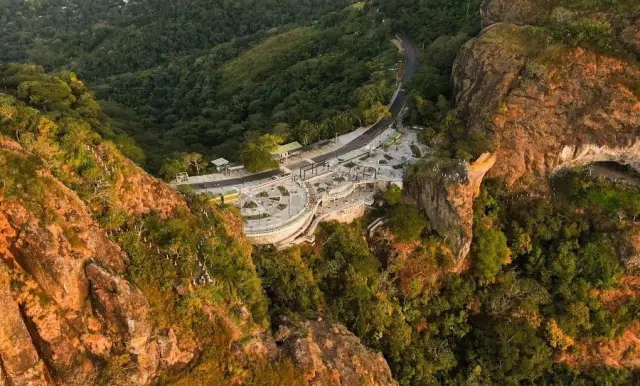
Why does this matter to travellers? Because El Salvador has quietly become one of Central America's rising destinations — surf towns like El Tunco, the Ruta de las Flores, volcanic hikes and colonial Suchitoto — and safety was the barrier holding it back. The country's borders with Guatemala and Honduras, plus its Pacific coastline, have long made it a transit point for smuggling, but it was never a major drug producer, and ordinary visitors were rarely targets beyond petty crime. The main practical advice now is the same as anywhere: keep an eye on official travel advisories, which may still flag the human rights situation and the remote possibility of being swept up in security operations, and stick to standard precautions.