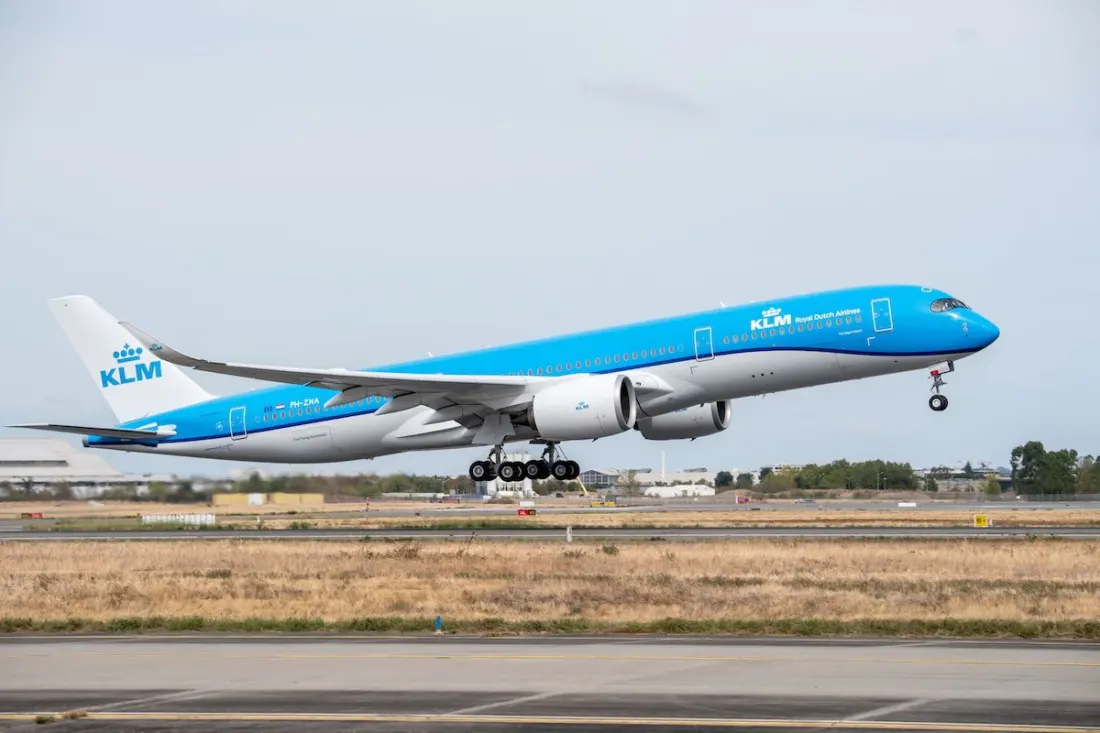
KLM has unveiled one of the biggest restructuring plans in its history, targeting €1 billion in annual earnings improvements. CEO Marjan Rintel didn't sugarcoat it: "KLM's future is not guaranteed," she said, citing high fuel prices, global instability and mounting pressure on the Dutch flag carrier.
The headline number is jobs. Around 15% of the workforce — roughly 5,000 positions — will be "reorganized," though KLM says it hopes to avoid mass layoffs by relying on natural attrition, voluntary departures and internal transfers. The airline also wants new collective labour agreements with unions, aiming for a structural productivity boost of at least 8% by 2028, and plans to outsource catering and maintenance while cooperating more closely with Air France.
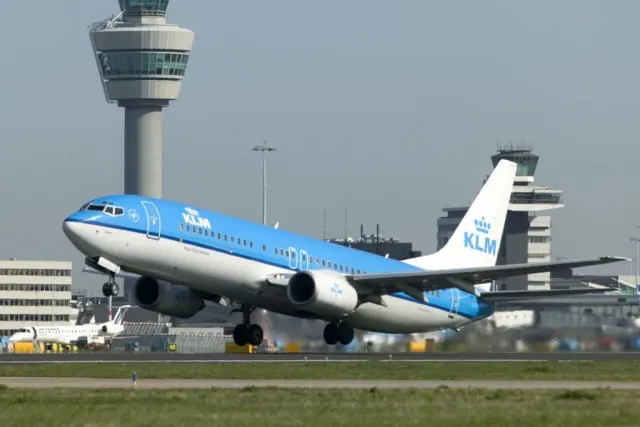
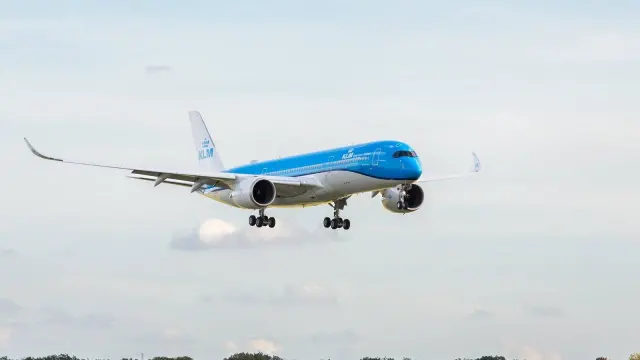
The fleet is getting simpler too. KLM's long-term plan is a fleet of 185 Airbus, Boeing and Embraer aircraft, and on European routes it will eventually operate just two types: the 227-seat Airbus A321neo and the 132-seat Embraer E195-E2. Boeing 737s and Embraer E190s will be retired, and KLM has dropped plans to take Airbus A320neos from the shared Air France-KLM order — those go to its low-cost subsidiary Transavia instead.
Why is KLM in this position? It's heavily reliant on a single hub, Amsterdam Schiphol, and the Dutch government has been pushing to cap flights there. Add stiff competition from low-cost regional carriers and Gulf airlines, plus some of the highest operating costs in Europe, and the maths gets difficult. KLM says the savings will ultimately be reinvested in fleet, customer experience and staff — but travellers should expect a leaner, more cost-focused airline in the coming years. The upside for passengers is a more modern, consistent short-haul fleet; the risk is further pressure on service standards and employment terms at an airline already pared back since the pandemic.