Nepal has rebuilt its disaster system twice in the past decade, but analysts writing in Nepali Times argue two key pieces are still missing: properly resourced emergency operations centres and a standard on-the-ground incident command system.
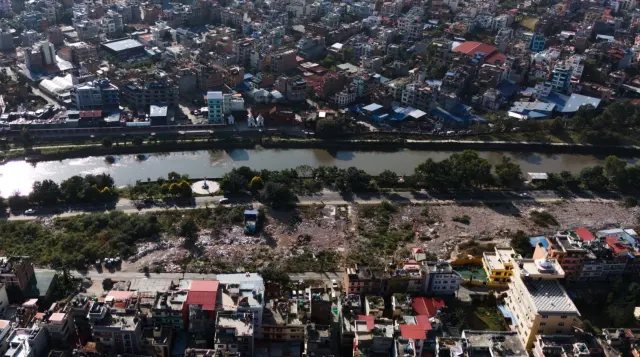
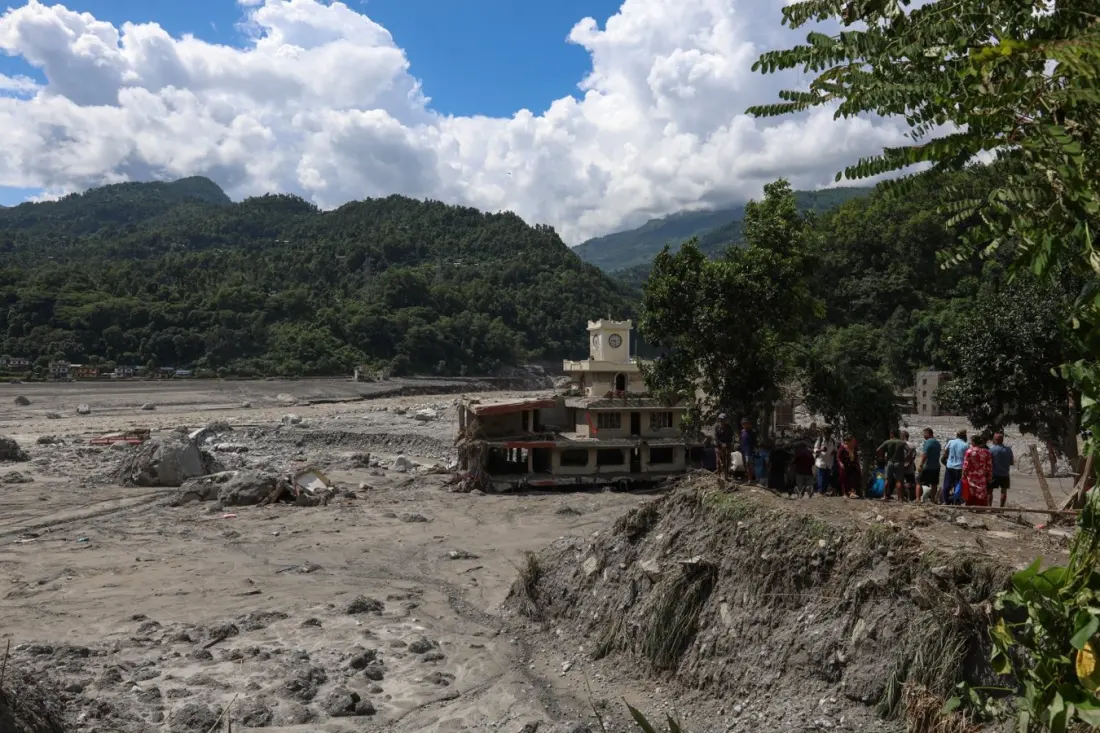
The context matters for anyone travelling there. Nepal sits on a major fault line — the 2015 Gorkha earthquake killed nearly 9,000 people and flattened entire districts — and landslides and flash floods strike every monsoon, including recent deadly floods in the Trishuli and Budi Gandaki valleys. How quickly the country can coordinate a response directly affects both residents and the trekkers, climbers and tourists who share those mountains and rivers.
The reform story is real. In 2010 Nepal moved away from a purely reactive, relief-only model, setting up a National Emergency Operations Centre in a seismically safe building inside Singha Durbar in Kathmandu. The 2015 constitution made disaster risk management a shared duty across federal, provincial and local government. After the earthquake exposed how dated the 1982 Natural Calamity Act was, parliament passed the Disaster Risk Reduction and Management Act in 2017, creating the National Disaster Risk Reduction and Management Authority (NDRRMA) and aligning national strategy with the UN's Sendai Framework.
The design is decentralised: local governments and communities are the first responders, backed by district committees, provincial authorities and federal agencies when things escalate. That sounds good on paper, but the article identifies persistent confusion between agencies during the critical immediate-response phase, when coordination failures cost the most.
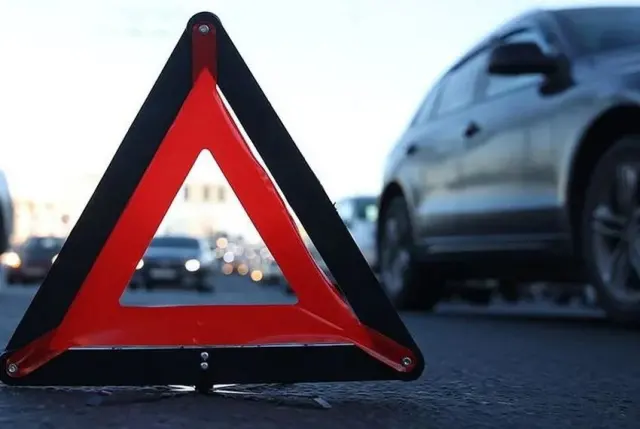
Two fixes are flagged. First, emergency operations centres at national, provincial and district level need to be genuinely functional, funded and responsive — not just named on an org chart. These centres give all agencies a shared operational picture and support decision-making from planning through recovery. Second, Nepal lacks a standardised on-scene management system, such as the Incident Command System used widely around the world, which would let police, army, health teams and NGOs plug into one clear command structure instead of improvising each time.
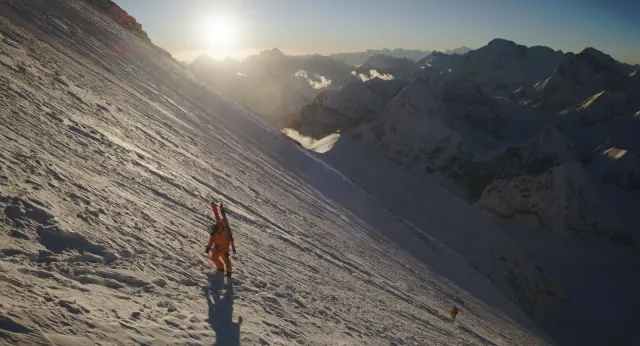
For travellers, the practical takeaway is straightforward: Nepal has genuinely improved its disaster governance since 2015, but coordination gaps remain, especially in remote areas where you may be hours or days from formal help. Anyone heading for trekking routes in the monsoon (June–September) or high-altitude terrain should travel with a guide or agency with its own emergency plan, register with their embassy where possible, carry travel insurance that covers helicopter evacuation, and know that in a major event, local authorities — not a central command centre — will be the first people on the scene. The infrastructure is getting better; your personal preparedness still matters more than it would in a country with deeper emergency systems.