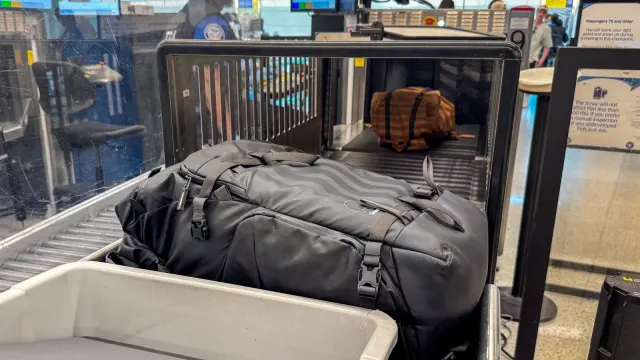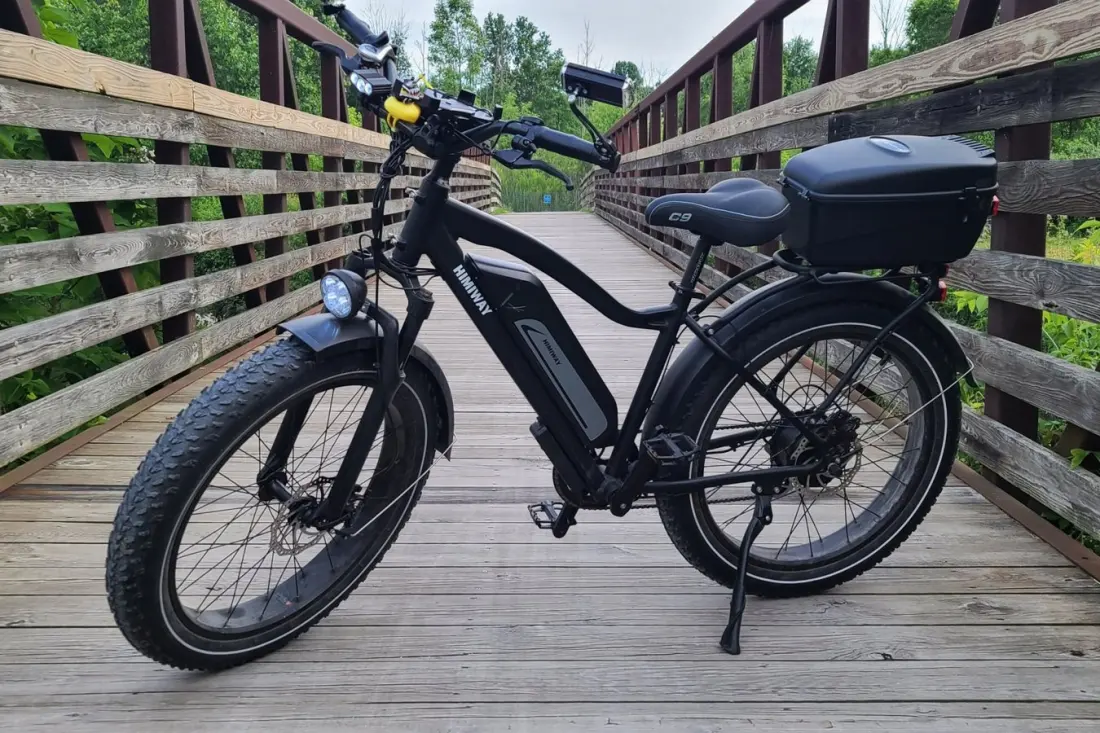
A lithium-ion battery blew up inside a family home in Troutdale, Oregon, near Portland, on 5 November 2026. The battery — from an electric bicycle that had been ridden earlier that day — was sitting on a padded chair, not even plugged in, when it started smoking, popping and giving off a strange smell. Moments later it exploded into a fireball. All six residents escaped, but the family cat did not, and the house was destroyed. Homeowner Kari Ann Peniche told reporters the flames spread through the property in seconds.
It is not an isolated case. In October 2026, an e-bike battery fire in a Bronx apartment in New York City blocked a family's only exit; four people, including three children, died. A Bootle house fire in England killed a mother and three children in August 2026 after a battery went into thermal runaway. In Busan, South Korea, a disconnected electric scooter battery killed two people in June 2025, and a coronial inquest in New South Wales, Australia linked two deaths in Teralba in February 2024 to a battery punctured by a badly fitted screw during a repair. Bogotá has seen it too: a February 2026 fire at an electric motorcycle shop in the Polo neighbourhood caused an estimated US$300,000 in losses, with a lithium battery the suspected trigger.
The uncomfortable truth for anyone who rides or charges these devices: batteries can fail even when they're not charging, especially if they've been dropped, punctured or repaired by someone who didn't know what they were doing. Oregon's State Fire Marshal logged 649 lithium-ion battery fires between 2020 and 2025, with incidents climbing about 19% a year. Thermal runaway — an uncontrollable internal temperature rise that releases flammable gases — can reignite even after flames appear to be out, and the smoke itself is hazardous.
If you're travelling and renting an e-bike or scooter, a few habits go a long way. Use only the manufacturer's charger or one specifically approved for the battery, and skip extension cords and multi-plug adapters. Charge on a hard, non-flammable surface, well away from bedding, sofas and curtains, and never overnight or while you're out. Keep charging batteries away from doorways and escape routes — a recurring detail in the fatal fires above. And if a battery gets hot, swells, leaks, smells odd or starts hissing, stop using it. If one ever catches fire, don't fight it: get out, alert everyone else, close doors behind you if you can do so without delay, and call the fire service. The U.S. Fire Administration is explicit that people should not attempt to extinguish these fires themselves, and damaged batteries should only be handled by professionals afterwards.
This matters to travellers because e-bike and scooter rentals are now everywhere — city tours, hotel fleets, holiday apartments with charging gear of unknown origin. A quick check of the charger, the battery's condition and where you plug it in is a two-minute job that could save your accommodation, or more.