Belize has been quietly working through a five-year plan to get better at handling the hurricanes, floods and other hazards that come with life on the Caribbean coast — and a high-level meeting in Belmopan this week showed where things stand.
On 12 November 2026, the Caribbean Disaster Emergency Management Agency (CDEMA) paid an official visit to Belize. Executive Director Elizabeth Riley sat down with Minister of Public Service, Disaster Risk Management and Enterprise Henry Charles Usher at the headquarters of NEMO, Belize's national emergency organisation, alongside National Emergency Coordinator Captain Daniel Mendez.
The agenda covered the country's Country Work Programme for 2026–2030. That includes the practical stuff that matters when a storm is bearing down: how quickly government ministries can coordinate, how well public officers are trained, and how the country plans to pay for recovery. One theme stood out — Belize wants to lean less on outside help after major disasters, building up its own contingency funds and financing arrangements instead.
The talks also ranged beyond hurricanes. Officials flagged cyberattacks and the hazards tied to climate change as emerging threats, and both sides stressed that training budgets should show up as measurable improvements in real-world response, not just certificates on office walls. CDEMA reaffirmed it would keep supplying technical assistance, training and regional expertise, and Riley also met NEMO's technical team separately to drill into operational priorities.
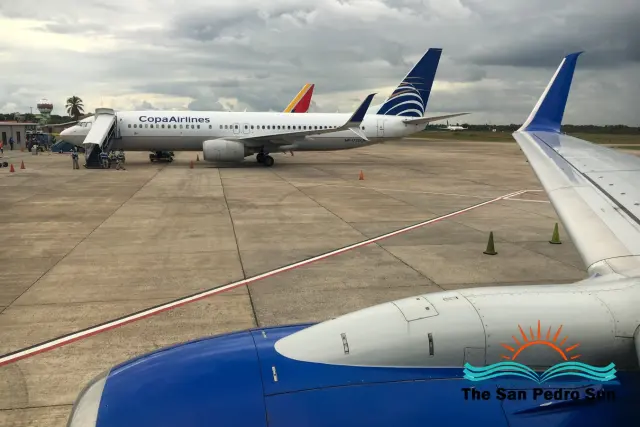
So why should this matter if you're not a policy wonk? Because it's directly relevant to anyone planning a trip to Belize. The country sits in the Caribbean hurricane belt, with the season running roughly June to November, and much of its appeal — the Barrier Reef, the cayes, San Pedro, Placencia — is low-lying coastal territory. The stronger and better-funded a country's emergency organisation is, the smoother things go for visitors when a storm disrupts travel: clearer evacuation plans for the cayes, better coordinated airport and road logistics, and faster recovery of hotels and services afterwards.
If you're travelling to Belize in hurricane season, a bit of self-reliance goes a long way alongside the government's preparations. Book flexible or refundable rates, keep an eye on forecasts from August to October, know that water taxis between the mainland and Ambergris Caye or Caye Caulker suspend service in rough weather, and consider travel insurance that covers weather disruption. The mainland interior — Cayo's jungle lodges around San Ignacio, inland caves and ruins — is generally less exposed to storm surge than the coast.
The takeaway from Belmopan is straightforward: Belize is treating resilience as an investment rather than an afterthought, with the 2026–2030 programme aiming to leave the country better prepared and less dependent on external bailouts when the next big event hits. For travellers, that's a good sign — just pair it with your own sensible planning.