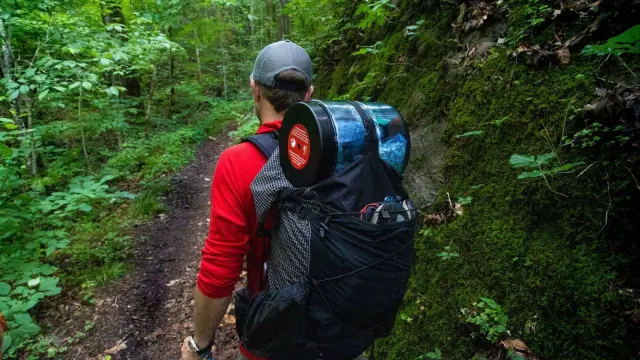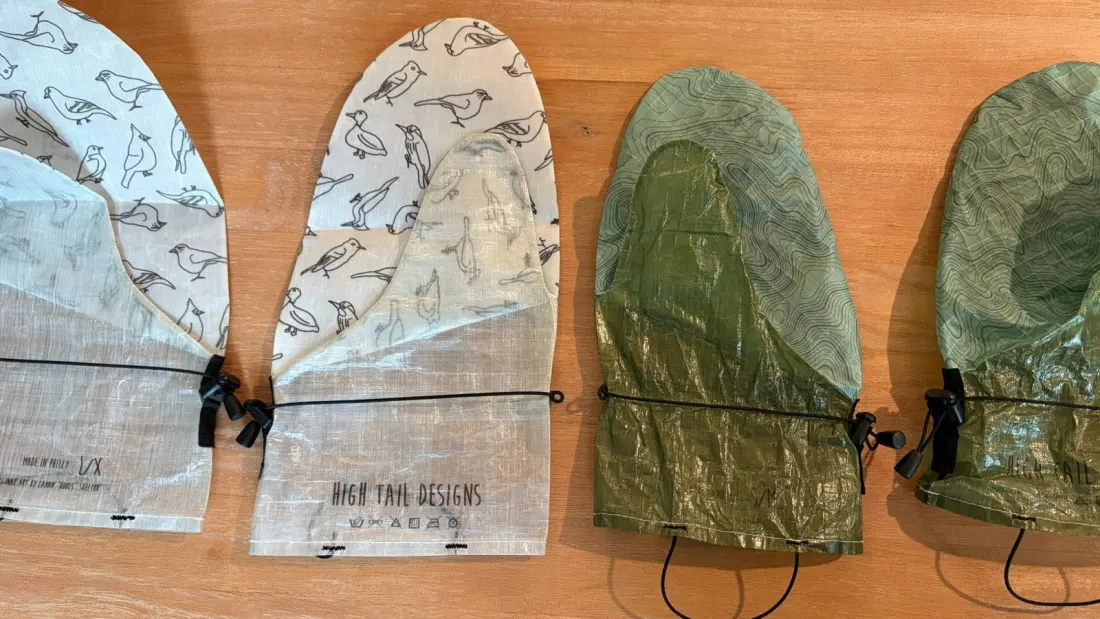
Rain mitts are one of those niche bits of hiking kit most backpackers skip entirely — and then regret it on that one miserable day when the temperature sits in the 40s or 50s and the rain refuses to stop. Backpacker's latest Gimmick or Gamechanger column took on a pricey example: High Tail Designs' ultralight rain mitts, made from Dyneema composite fabric, weighing roughly an ounce per pair, and costing a hefty $105.
The verdict is refreshingly split. Rain mitts as a category? Gamechanger. The Dyneema part? More gimmick than revolution.
The reviewer, a Pacific Northwest hiker who has endured soakings on Vancouver Island's West Coast Trail and in Gates of the Arctic, tested the mitts in steady rain with temperatures around the mid-50s. The good news: they work. Fully taped seams kept water out, the oversized cut fits over liner gloves, cinchable shock-cord wrists seal out drips, and large pull loops make them easy to yank on with wet hands. Because Dyneema doesn't absorb moisture, the fabric dries fast and never stretches or bags out when soaked.
The trade-off is breathability — or the lack of it. Unlike Gore-Tex shells, these are essentially a vapor barrier for your hands. That sounds bad, but in practice the reviewer found it didn't matter: after an hour of hiking in a downpour, there was no clammy sweat buildup. Warm hands beat dry-spec hands in that kind of weather anyway.
So where does the $105 fall apart? The Dyneema story. The material earns its premium in backpacks and shelters, where its extraordinary strength-to-weight ratio genuinely matters. In a 30-gram mitt, the weight savings are marginal and the tensile strength arguably unnecessary. Black Diamond's UL Overmitts come in lighter still at 23 grams (size small) for $70, and Outdoor Research's Helium UL Rain Mitt costs $55 at 68 grams. DCF also has a durability question mark: it resists tears well but can be more prone to abrasions and pinholes than treated nylon, so long-term longevity is unproven. Long-distance hikers weighing grams might argue otherwise, but for most people the cheaper nylon options do the same job.
One honest reason to pay the premium: style. High Tail Designs built its cottage-brand reputation on colourful prints and artist collaborations, and the mitts come in 11 patterns — unusual for Dyneema, which is notoriously hard to dye and usually appears in black or white. If self-expression on the trail matters to you, that's a legitimate purchase reason. For everyone else, the reviewer's plan is simple: wear rain mitts all winter on soggy lowland walks where insulated gloves are overkill, and toss a pair in the pack for wet overnights and long summer hikes — just maybe a cheaper pair.
For travellers, the takeaway is broader than one product. If your itinerary includes shoulder-season hiking in reliably damp places — think coastal trails, temperate rainforests, British Columbia, the Pacific Northwest — a sub-70-gram pair of waterproof overmitts is a genuinely worthwhile addition to the packing list. Just don't assume the most expensive fabric is the right one.