Camping with kids can go sideways fast — a flooded campsite, a toddler who refuses to sleep under canvas, gear that doesn't fit the car. Australian Geographic's latest adventure guide argues that most of those disasters are avoidable with one thing: the right shelter chosen before you leave home. Here's what travellers need to weigh up.
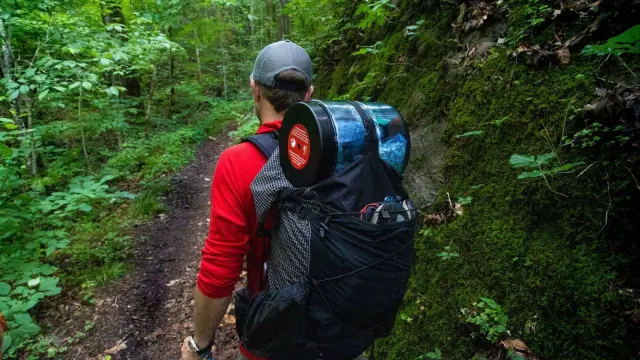
The humble tent remains Australia's most popular option, and the guide splits it into two camps. For small families or hatchback drivers, a lightweight hiking tent is hard to beat — it packs down tiny, and two of them can even split parents and kids into separate 'tents', which apparently boosts the fun factor. Key specs to check: two doors and two vestibules for easy entry, enough height to crouch rather than shuffle bent over, and a 'bathtub' floor where the floor-to-wall stitching sits above ground level to keep water out.
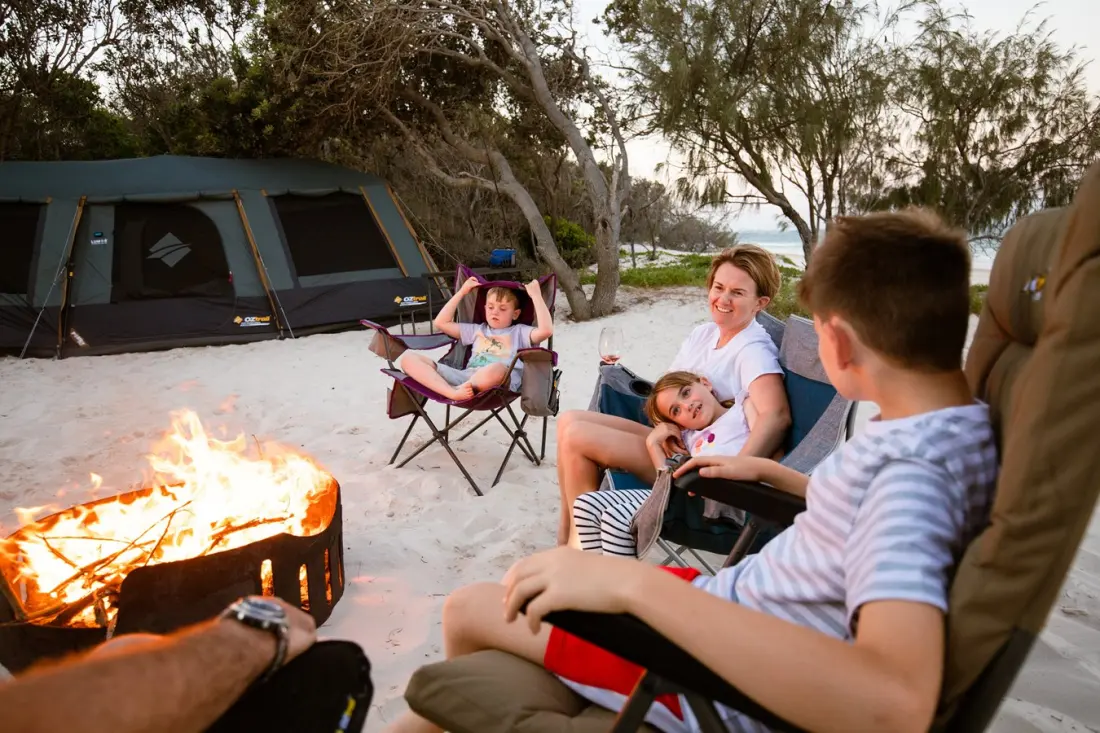
Bigger families heading to remote spots should look at polycotton canvas 'tourer' tents. They're bulky and eat cargo space, but they're near-indestructible, ventilated with no-see-um mesh windows, offer stand-up height, and shrug off kid-inflicted wear. Pole-based designs pitch fast — OzTent's hinged fold-out model claims a 30-second setup. Whatever you buy, weigh it: many modern vehicles have surprisingly low legal payload limits, and occupants plus fuel plus a fridge plus water can tip you over before you've even added the tent.
Swags get a more sceptical treatment. The romance of sleeping under the stars is real, but modern pole swags are barely quicker to pitch than a hiking tent, weigh around 9kg each, and hog cargo space. Rain is the dealbreaker — a soaked swag makes for a miserable night. The verdict: swags still shine for desert and outback travel, where dry, clear nights are near-guaranteed, and for solo or two-up travellers who want bombproof canvas that lasts decades.
Rooftop tents, which trace their origins to Africa (where keeping clear of hungry carnivores was a sensible design brief), suit couples with a couple of small children. Their big advantage is freeing up the vehicle's interior for storage, and an attachable annexe or lower tent extends the setup for the whole family.
The underlying advice applies to any style: match the shelter to your trip length and camp pattern. Moving sites nightly? Prioritise quick setup. Staying put for a week? Separate rooms, a wet-area vestibule and an awning matter more than pack speed. And always check the packed size and shape — some tents fold into small bags you can stash around luggage, others only work strapped to roof racks.
Why it matters: a family's first camping trip often decides whether kids grow up loving the outdoors, and choosing the wrong shelter is the fastest way to sour it. Whether you're touring the Outback, heading to a coastal national park or planning a multi-week 4WD loop, this is a practical checklist worth reading before spending money.