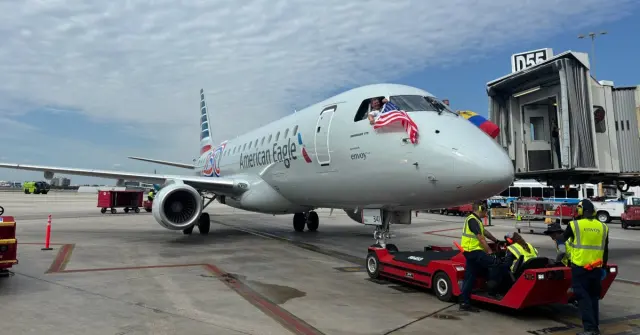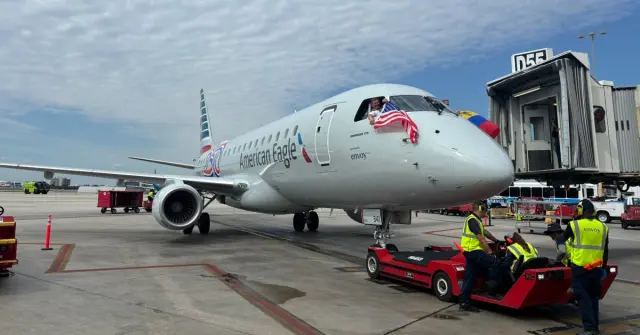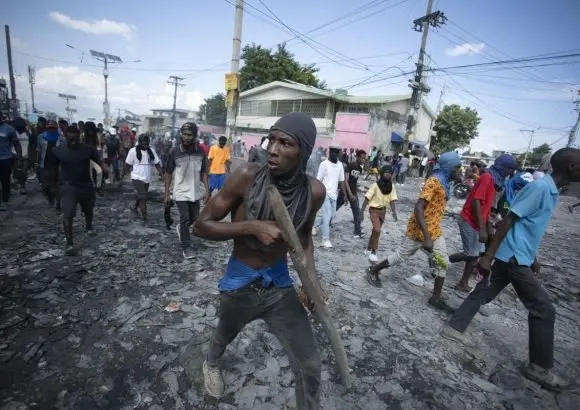
An operation by the Gang Suppression Force (GSF) north of Port-au-Prince International Airport has led to the seizure of weapons and ammunition, in one of the clearest signs yet that the multinational mission in Haiti is pressing into gang-held ground close to the country's main air gateway.
The GSF says the targeted areas were being used by armed groups as hideouts, staging points and supply bases. Clearing them is framed as a step towards safer conditions around the airport and neighbouring communities, restoring freedom of movement, and eventually allowing Haitians displaced by violence to return home.
The mission's scale is growing quickly. According to the Dominican government, the force currently has 2,181 personnel in Haiti and is on track to reach 5,500 military and police members within roughly three months, in line with its UN Security Council mandate. That expansion comes despite real danger for those involved: four Salvadoran soldiers were ambushed and remain missing, and the GSF has publicly warned gangs that such attacks will not derail its mandate, which it says will be carried out "zone by zone and neighborhood by neighborhood".
Haiti's neighbour is watching closely and paying in. The Dominican Republic is not part of the force, but Foreign Minister Víctor "Ito" Bisonó confirmed his government has contributed US$20 million to support operations. For Santo Domingo, stability across the border is a direct national security interest, given shared borders and migration pressures.
For travellers, the practical takeaway is blunt: Haiti remains one of the world's most volatile destinations, and the security situation around the capital's airport — the main point of entry for aid workers, journalists and the few who visit — is still being fought over. Most governments, including the US and UK, advise against all travel to Haiti. Airlines have periodically suspended flights to Port-au-Prince when gang activity threatened the airport, and insurance coverage is effectively unavailable for leisure trips.
Anyone with an essential reason to travel — humanitarian work, family, journalism — should monitor embassy security alerts, coordinate movements with organisations already operating on the ground, and expect the situation around the airport and capital to remain fluid for months. The GSF's operation is a signal of intent, not evidence that normal travel conditions have returned.
Why it matters: progress or setbacks around Port-au-Prince's airport shape flight availability, evacuation options and the broader outlook for a country that was once the Caribbean's most distinctive cultural destination. For now, though, the advice for holidaymakers is simply to stay away and follow the news.