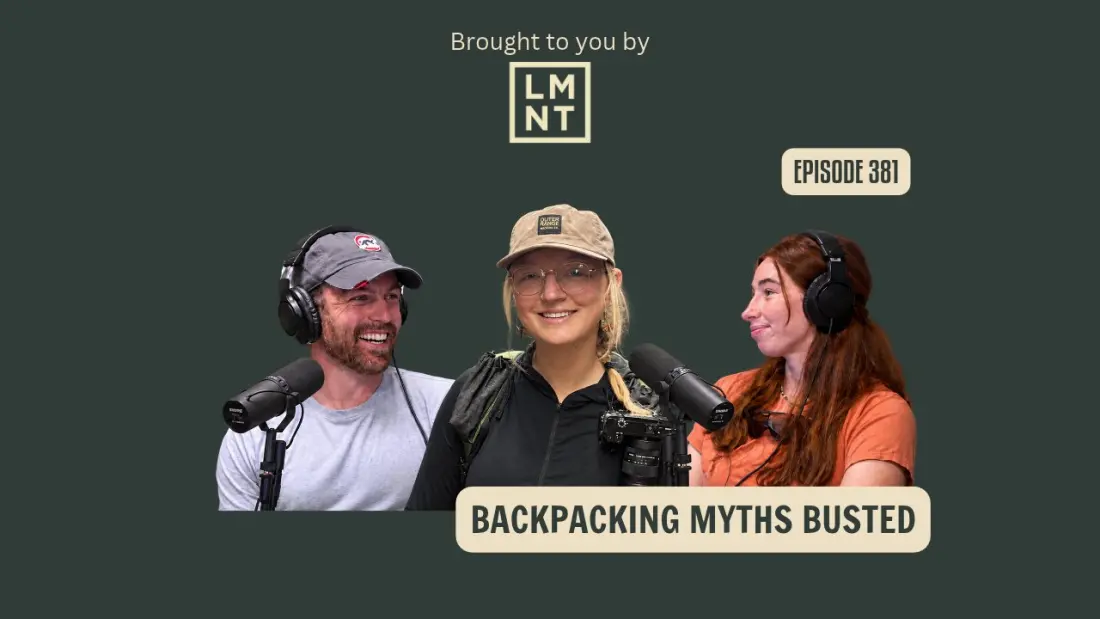
The latest episode of Backpacker Radio (episode 381, from the team at The Trek) brings back panellists Katie and Elise for a myth-busting session aimed at the backpacking advice that refuses to die. For anyone dreaming of a long trail — or just a first overnight — it's a handy reset on what actually matters when you're packing and planning.
The big misconceptions on the chopping block: you don't need expensive ultralight gear to get started, and you don't need bulky hiking boots either. On rain, the panel's verdict is refreshingly honest — the hunt for a jacket that keeps you truly dry in a storm may be a lifelong disappointment, so manage expectations rather than burn cash chasing perfection. They also argue a Ursack isn't genuinely bear-proof or rodent-proof, and that soap alone won't kill norovirus, a nasty and trail-famous stomach bug worth taking seriously.
Safety and money myths get airtime too. Hitchhiking into trail towns, long a rite of passage on American long-distance routes, is framed as far less dangerous than its reputation suggests. The panel pushes back on the idea that thru-hikers are all trust fund kids, and makes the counterintuitive case that a week-long trip can actually be harder than a months-long thru-hike. Perhaps most usefully: carrying a satellite communicator doesn't mean you can outsource your survival to an SOS button — self-reliance still counts.
Beyond the myths, the episode covers the worst ways to blow your budget before a thru-hike, and features a segment on swapping a $600 ultralight tent for a 5.5-ounce tarp — a bold weight-and-money saving move for the confident. Rounding things out: a debate on trail-name syllable counts, a review of a budget sun hoodie that scores well despite fitting like a muumuu, and a mailbag on the genuinely absurd amount of work that goes into keeping feet blister-free on a long hike.
Why it matters: a lot of first-timers are scared off long trails by the idea that they need thousands of dollars of kit or superhuman endurance. This episode's take is that experience, hygiene discipline (especially around water sources and norovirus), realistic expectations about rain, and smart food storage matter far more than a shiny gear list. Beginners can start with modest equipment, and veterans may reconsider what their satellite messenger is actually for. If you're planning an overnight hike this year, or eyeing a bigger trail, it's a cheap education in what's worth worrying about — and what isn't. Source: The Trek.