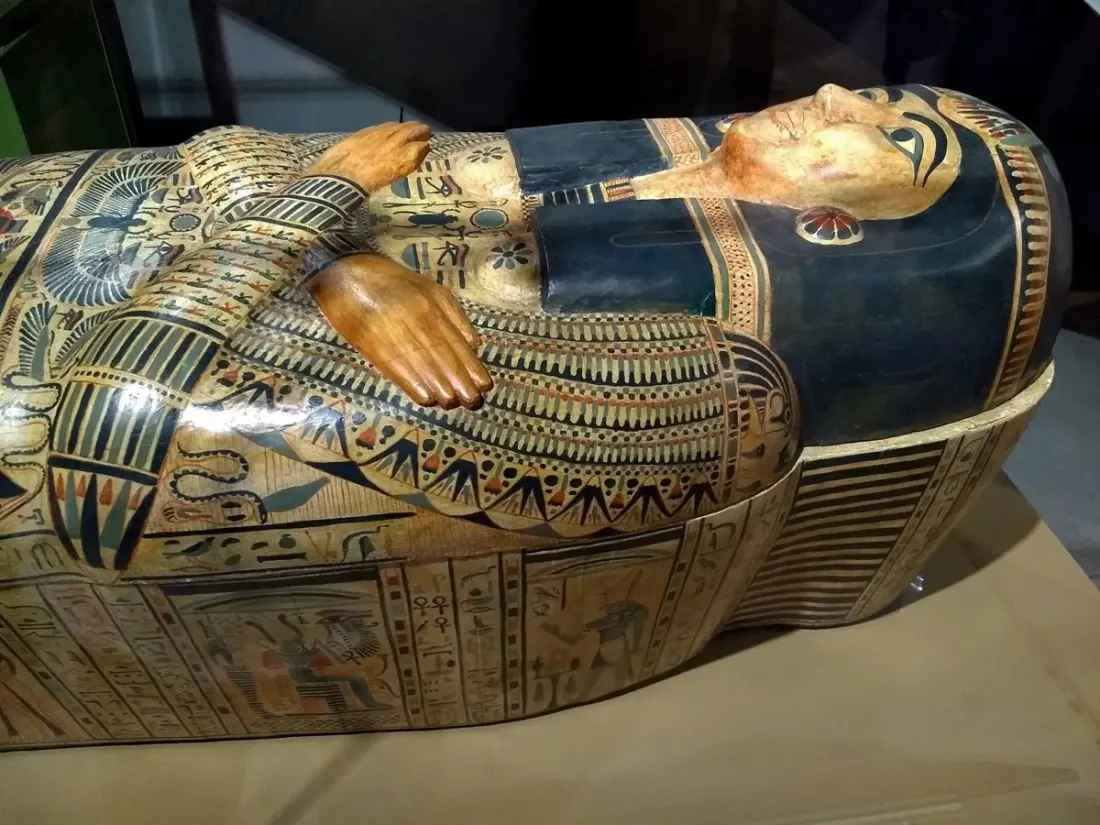
Nekht, an ancient Egyptian priest who lived roughly between 1985 and 1797 BC, has spent the past century in Glasgow. Now his remains could be going back to Egypt. Kelvingrove Art Gallery and Museum, which has held the mummy since 1923, has confirmed it received a repatriation request — widely reported to be from Egyptian authorities — and has quietly pulled Nekht off public display along with his painted coffin.
The move isn't happening in isolation. Kelvingrove also removed other Egyptian human remains from view, including a mummified head, hand and foot recovered from the Valley of the Kings at Luxor. Over at the University of Glasgow's Hunterian Museum, the mummy of Lady Shep-En-Hor has been covered with a specially designed textile, though her ornate sarcophagus is still on show. Glasgow Life, which runs Kelvingrove, says more archaeological human remains will follow, moved into secure storage with restricted access.
What's driving this is a broader rethink within the museum world. A revised code of ethics from the International Council of Museums calls on institutions to treat human remains with dignity and respect — acknowledging that mummies were once people with beliefs, families and burial traditions of their own, not curiosities. There's also the question of where collections taken during the colonial era actually belong, a debate that's intensifying across Europe.
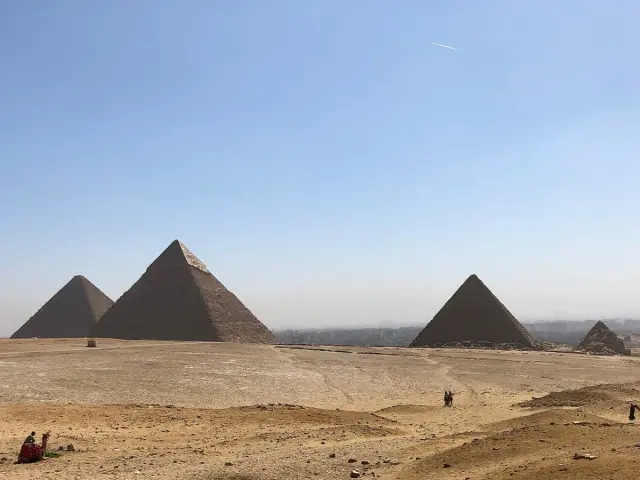
Egypt, for its part, has been making a strong case for keeping its heritage at home. The Grand Egyptian Museum near the Pyramids of Giza opened in 2025, giving the country a flagship venue worthy of its ancient treasures — and a natural home for repatriated artefacts.
Whether Nekht's actual return gets approved is still up in the air. But the fact that he's no longer on display in Glasgow already marks a shift. For travellers, this is worth knowing before you go: the mummy galleries you may remember from Scottish museums are changing, and in some cases disappearing. If seeing ancient Egyptian remains is on your Glasgow list, check what's currently on display first.
It also reframes a trip to Egypt itself. With the Grand Egyptian Museum now open beside Giza, there's never been a better moment to see these objects in the country they came from — where the Beni Hasan tombs in Middle Egypt, where Nekht was excavated in the early 20th century, can be visited along the Nile in Minya governorate.
Story via Getaway South Africa