Bandos Maldives, one of the long-running resorts close to Malé, has picked up two credentials at once: compliance with HACCP food safety standards across its food and beverage operation, plus a Green Globe recertification for its sustainability programme.
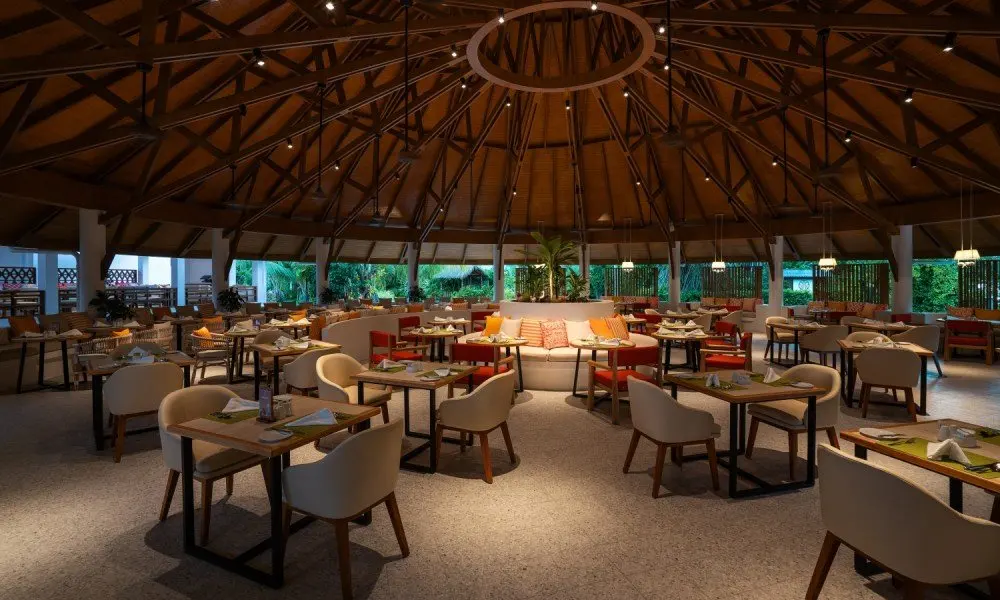
The HACCP recognition matters more than it might sound on paper. It means the resort's kitchens, bars and stewarding teams are operating under a formal system for identifying and controlling food safety risks — the same framework used by major airlines and hotel groups worldwide. For guests, it translates into dining that's held to auditable standards rather than just good intentions.
The Green Globe recertification is where the numbers get interesting. The island runs 1,330 solar panels producing 744.8 kWp, covering roughly 30% of its daily energy needs. On the waste side, a desalination setup paired with refillable glass bottles has removed more than 250,000 single-use plastic water bottles a year from the equation — no small figure on an island where bottled water is usually the default. Marine conservation is also a stated pillar of the programme, which is hardly optional when your house reef is a core part of the product.
General Manager Ismail Rasheed framed the awards as milestones rather than a finish line, describing responsible hospitality as an ongoing commitment under the resort's 'Island of Hospitality' promise.
Why should this sway your booking? Certifications like these are easy to market and easy to fake, so third-party verification is a useful filter when comparing Maldives resorts, where claims of eco-credentials are everywhere. Bandos also sits in a practical sweet spot: close enough to the airport for a short transfer, with a reputation as one of the more accessible islands price-wise. If you want your holiday money to support operations that actually measure their energy and plastic footprint, this is the kind of news worth noting. Just don't expect a press release to replace a look at recent guest reviews.