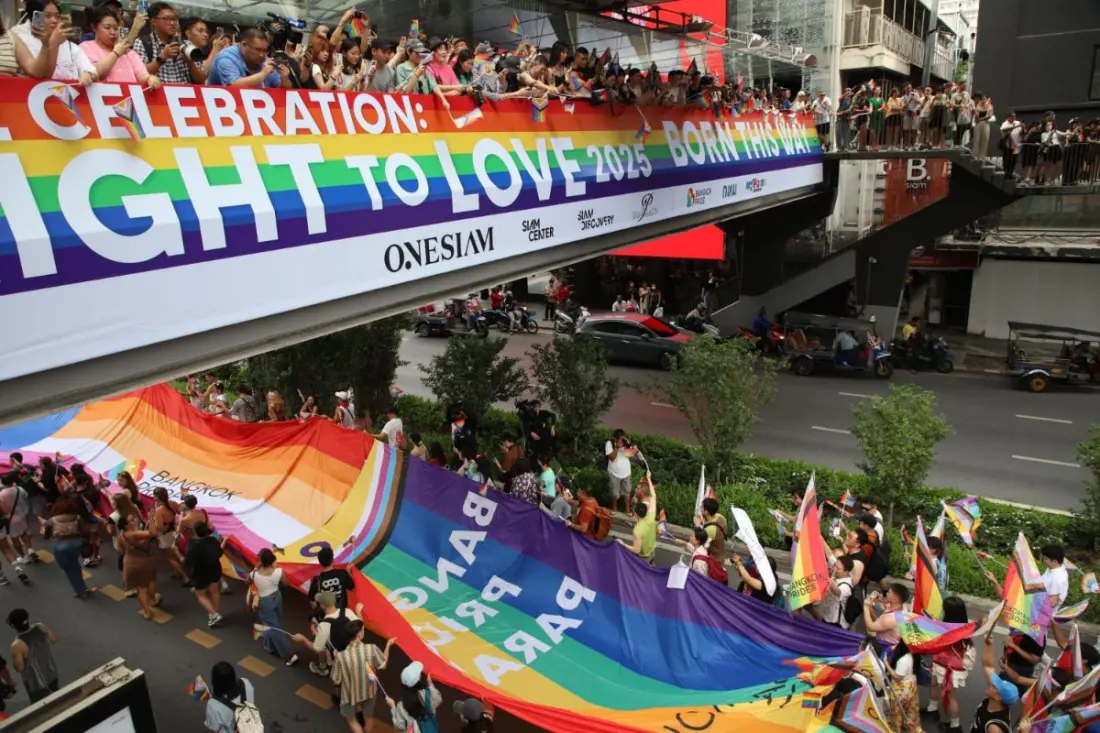
Bangkok wants to make history. The Thai capital has launched its official bid to host WorldPride 2030, going head-to-head with Barcelona — and if it wins, it would be the first Asian city, and the first in the Global South, ever to stage the event. The final presentations were made during the InterPride General Meeting & World Conference 2026 in Phuket.
The bid, laid out in a 103-page document under the theme "Until All Of Us Are Free", leans on Thailand's credentials as a regional leader. The country became the first in Southeast Asia to legalise same-sex marriage, and by 2030 will be celebrating five years of marriage equality, with further reforms planned — gender recognition, decriminalisation of sex work and anti-discrimination protections. Bangkok's argument is that this progress matters more widely: 66 countries still criminalise LGBTI people, 21 of them in Asia, so the city is positioning itself as a sanctuary and platform for advocates from across the region.
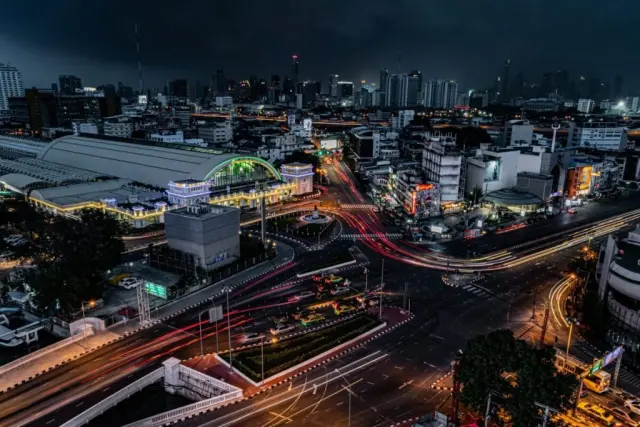
On paper, the city can certainly deliver an event. Bangkok offers more than 147,000 hotel rooms, two international airports, a UN-backed Gold rating for gender equality in public institutions, over 30 Pride Clinics with gender-affirming care, and a thriving queer cultural scene spanning drag, pageantry and the global Boys' Love industry. The bid has high-level government backing too, via a prime ministerial steering committee that coordinates security, tourism and transport while leaving community leadership to Bangkok Pride.
If Bangkok wins, the party runs from 23 January to 5 February, with group weddings, a human rights conference, sports and cultural events, and a parade on 2 February from Sanam Luang to the UN building expected to draw over a million participants. The organisers estimate a budget of 470 million baht (only 31% government-funded) and project at least 12 billion baht in economic impact, plus legacy projects including an LGBTI museum, an activist sanctuary and 150 funded activist scholarships, most going to Global South advocates.
Safety planning is unusually detailed. Expect first-aid posts every 500 metres, misting stations and heat pauses, a crowd-density system that reroutes people at 80% capacity, more than 2,000 police in rainbow armbands, and privacy protections such as a ban on facial recognition, consent-based photography rules and trans-friendly immigration fast lanes. For travellers from countries where being queer is risky, that last part is a big deal — and a 24-hour pro bono legal hotline is included.
For anyone considering a winter trip, this could be one of the most significant pride events ever held in Asia, pairing a massive street celebration with Bangkok's usual appeal: food, temples, nightlife and some of the best value accommodation of any world capital.
Bangkok Post Life