After a brutal snow year across the American West, ski season is finally stirring. A handful of Colorado resorts have already spun lifts, and forecasters are watching a potentially historic El Niño pattern that could turn things around.
Arapahoe Basin led the way on October 28 with a single lift and run, and Keystone followed two days later with 43 acres of terrain. Wolf Creek opened on Halloween in strong shape — around 20 inches of natural snow and roughly 30 percent of the mountain skiable. It's a modest start, but a storm rolling in early in the week could change that fast. OpenSnow is calling for 6 to 12 inches across nearly all Colorado mountains, with up to 20 inches in places. That gives Breckenridge and Copper Mountain a shot at their November 6 targets, with Vail following on November 13.
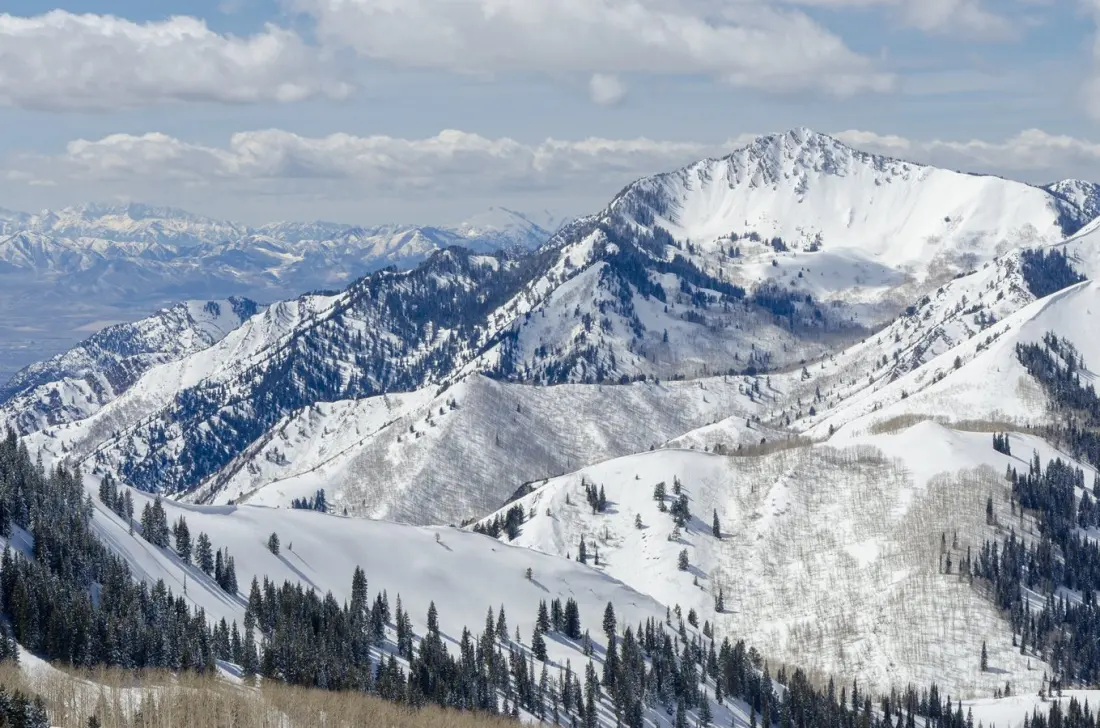
Utah looks like the big winner in the short term. Forecasters are projecting close to two feet of new snow for Alta, Brighton, and Snowbird, with more than 20 inches expected at Alta through November 4. Brian Head is aiming for a November 6 opening, while Alta and Park City are targeting November 20. A word of caution from Ski Utah, though: these are goals, not guarantees. Last season Brian Head's opening day slipped almost three weeks to November 21 because conditions simply weren't there.
California is the slow starter of the bunch. Mammoth is eyeing November 13, but warm nights have hampered snowmaking and last year's opener slid back a week when snow levels stayed stubbornly high. A weekend system could drop 6 to 16 inches depending on elevation, but conditions look marginal into early November. Up in Tahoe, the outlook is drier this week, with wetter storms possibly arriving after November 10.
For travellers, the practical takeaway is simple: don't lock in flights and lodging around an opening date without trip insurance or flexible booking terms, and keep an eye on the storm cycles rather than the marketing calendar. If the El Niño forecast verifies, the second half of the season could be the one worth planning around — with Utah and Colorado primed for big midwinter storms. Early birds willing to book a flexible January trip may score the sweet spot between fresh snowpack and quieter slopes than the February holidays.